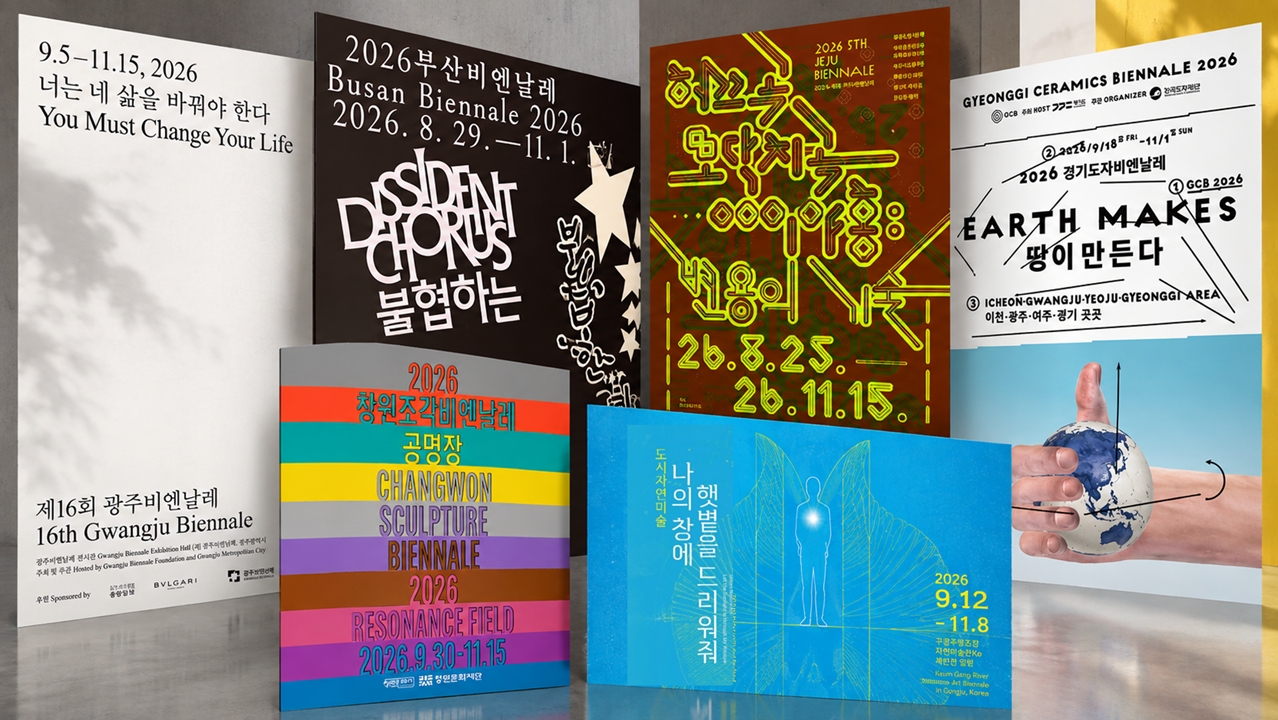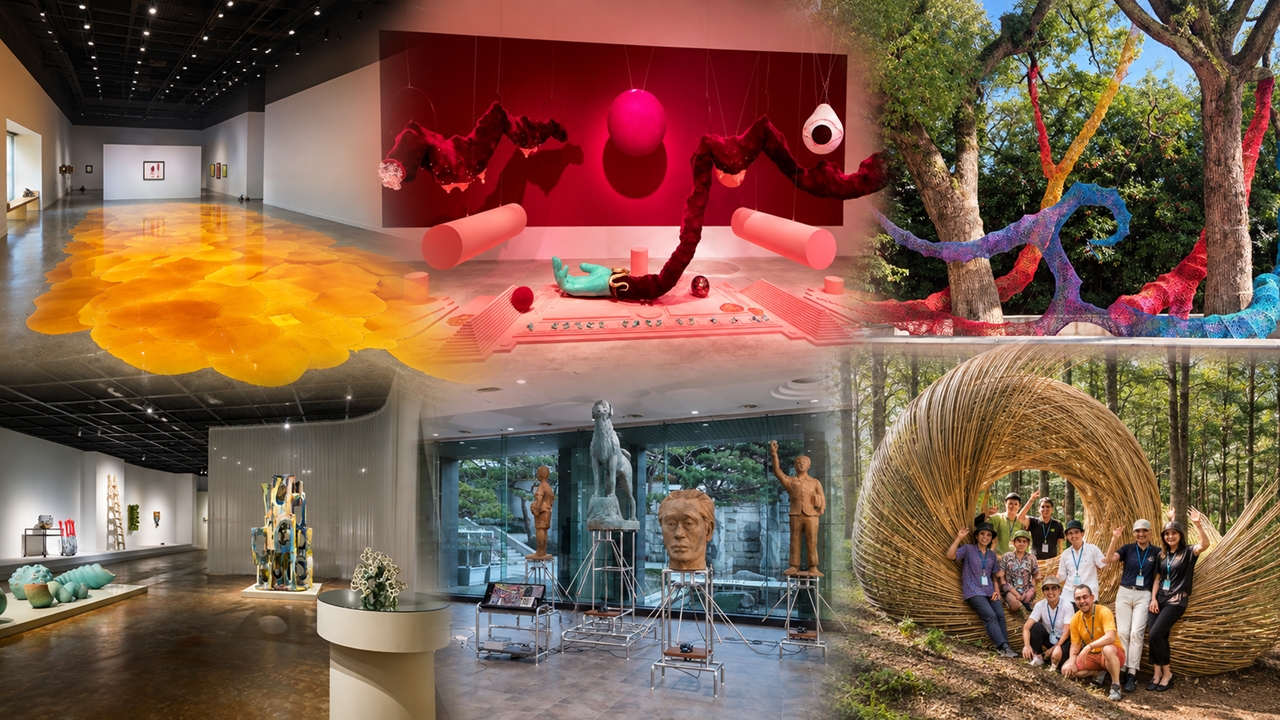

This October, biennials across Korea offer
markedly different perspectives on contemporary art. Gwangju and Busan host
large international exhibitions, Jeju explores the island’s history and
culture, and other regions turn their attention to ceramics, sculpture, and
nature art.
K-ARTNOW introduces six biennials open in
October, outlining their themes and origins, the histories that connect them to
their host regions, and the museums and exhibitions worth visiting alongside
them.
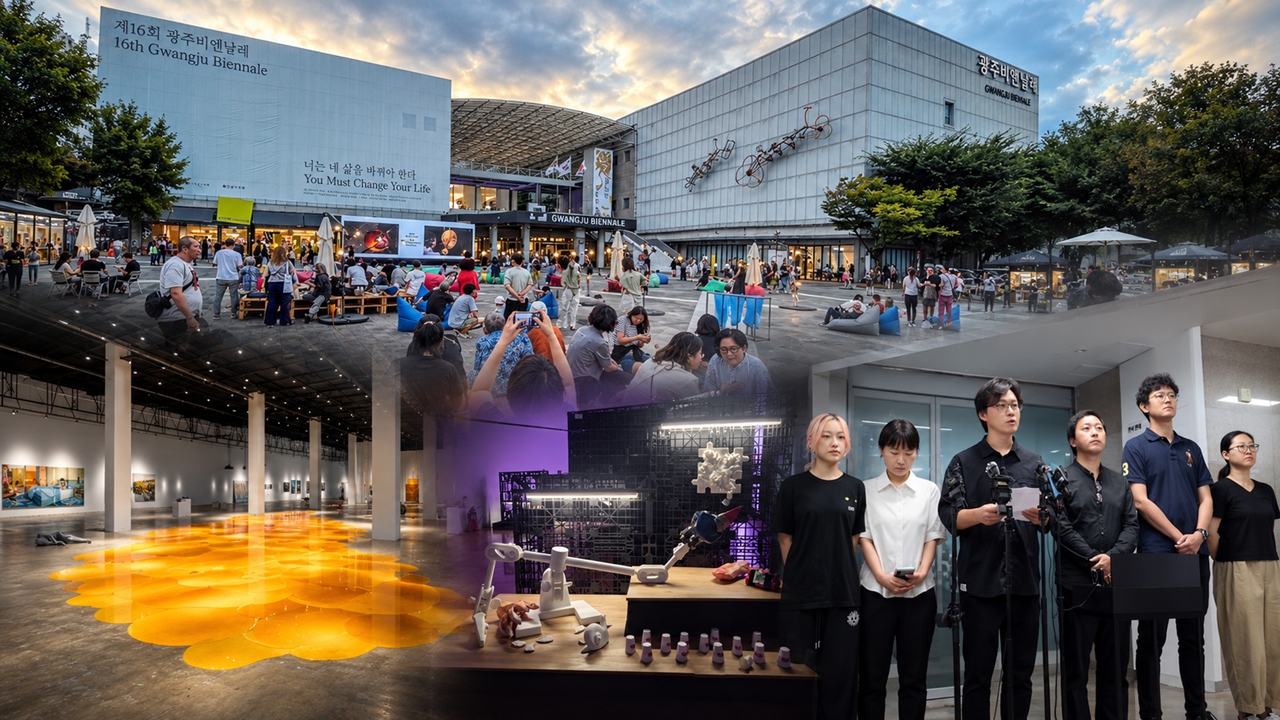
1. The 16th Gwangju Biennale
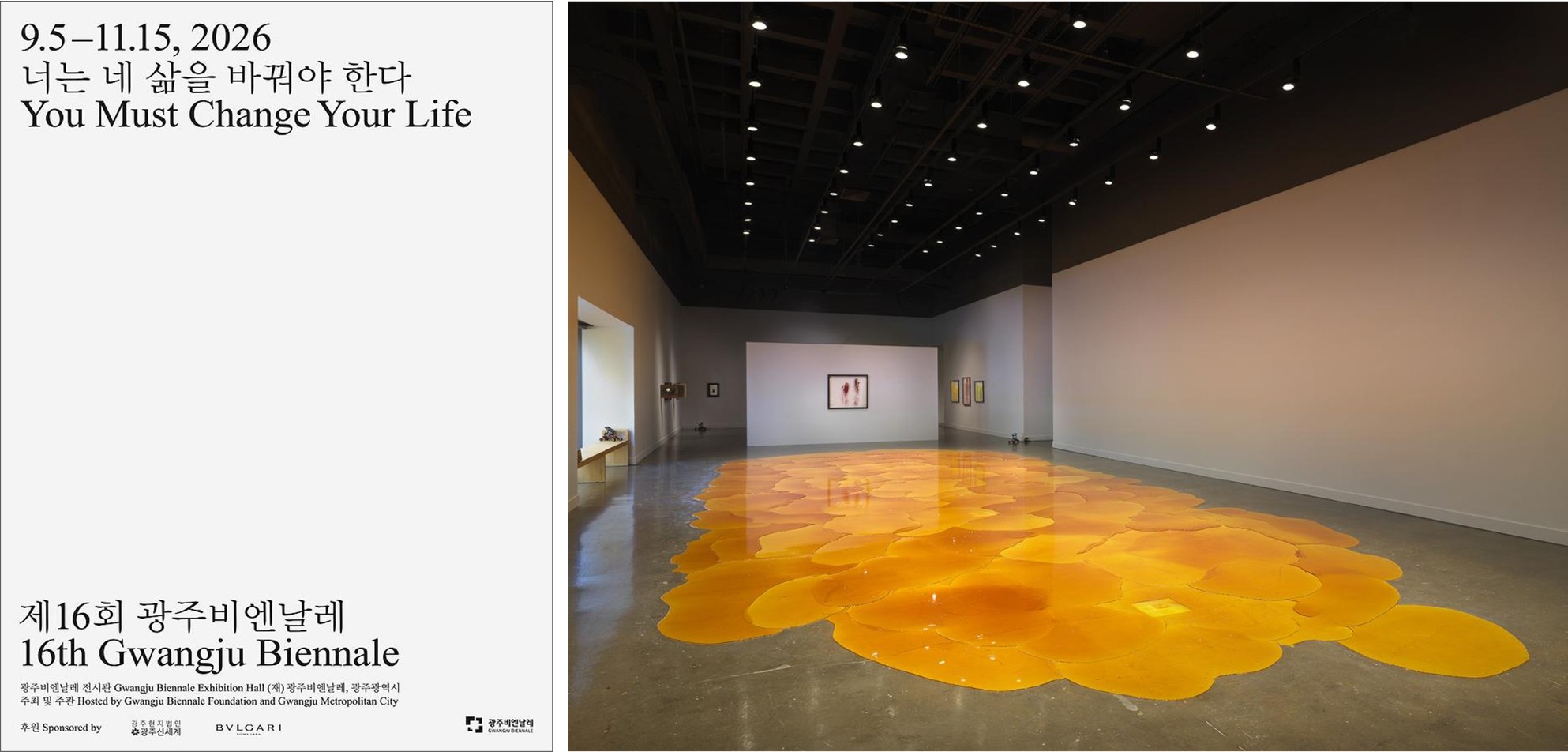
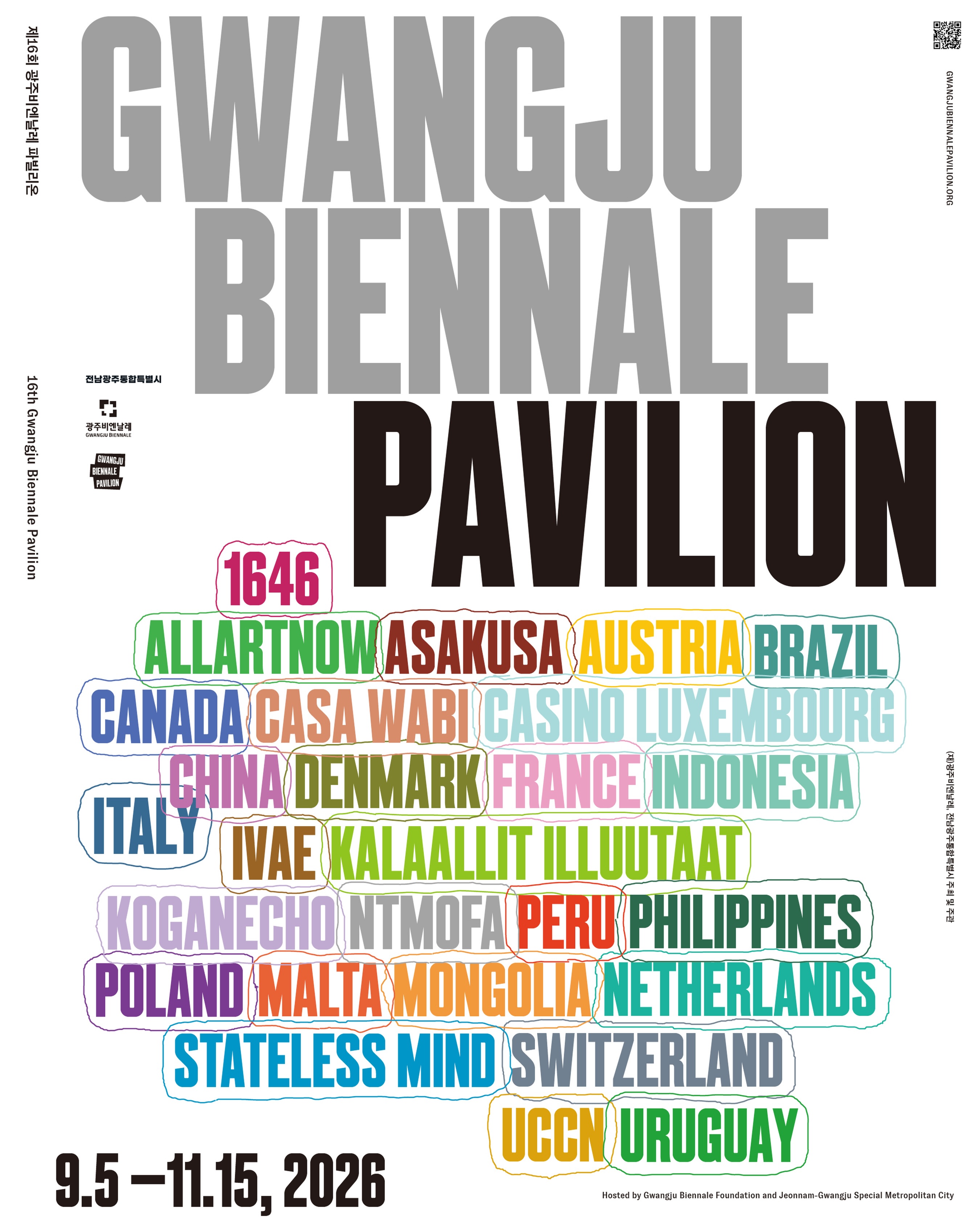
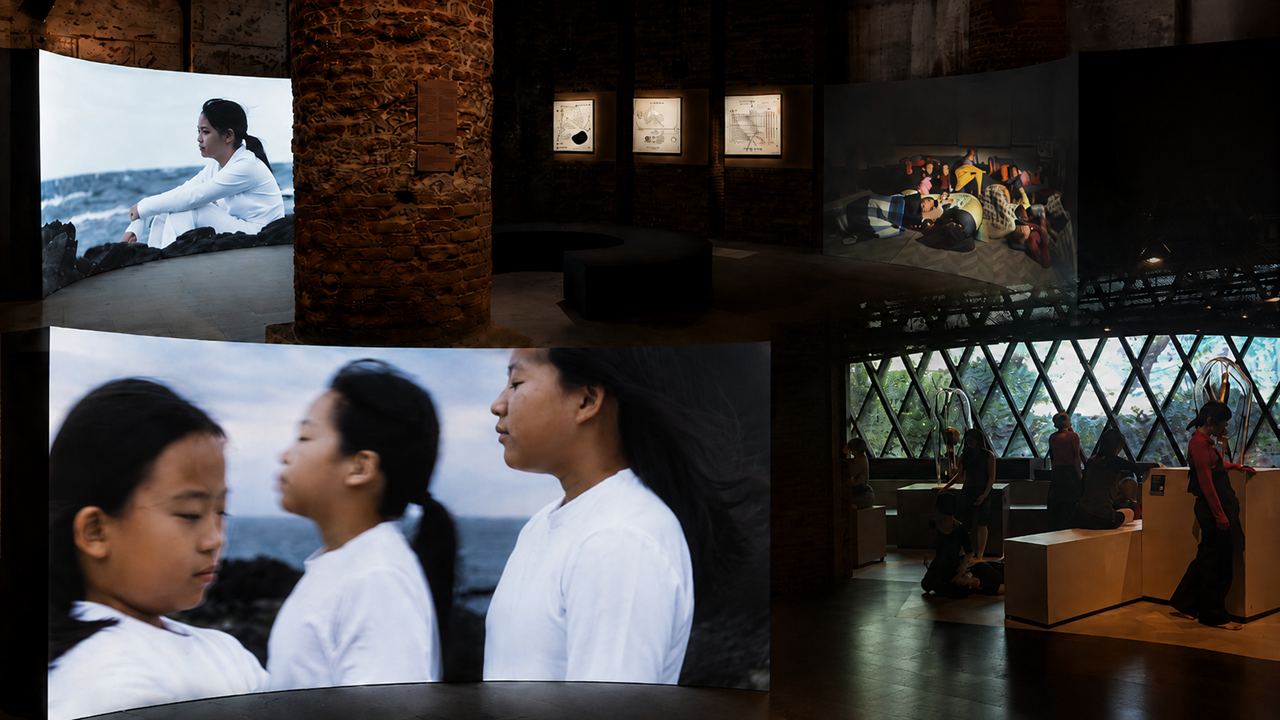
Left: Official poster of the 16th Gwangju Biennale. Right: Installation view of Pine Resin Pond. Images courtesy of the Gwangju Biennale. Poster: reproduction and database use prohibited.
《You Must Change Your Life》
Dates:
September 5–November 15, 2026
Venues: Gwangju Biennale Exhibition Hall and locations across Gwangju
Artistic Director: Ho Tzu Nyen
Participants: 43 artists and collectives from 22 countries;
approximately 300 works
Website: Gwangju Biennale
Origins
Announced in 1994 and first held in 1995,
the Gwangju Biennale was Korea’s first large-scale international biennial of
contemporary art. Established in a city shaped by the May 18 Democratic
Uprising of 1980, it has created a forum for international exchange linking
contemporary art with democracy and civil society.
The 2026 Edition
The exhibition takes its title from the
final line of Rainer Maria Rilke’s poem “Archaic Torso of Apollo” and explores
how artistic practice can open up new ways of living. Artistic Director Ho Tzu
Nyen works with curators Park Gahee, Brian Kuan Wood, and Che Kyongfa.
Alongside the main exhibition, pavilion projects extend the biennial to venues
throughout Gwangju.
The City and Its Art
More than three decades of biennial
exhibitions have given Gwangju enduring connections to the international art
world. The memory of the May 18 uprising—and the city’s commitment to
democracy, human rights, and peace—also continues to inform its cultural life.
National Asian Culture Center
(ACC)
The ACC brings together exhibitions,
performances, research on Asian cultures, and the production of new work. Its
multidisciplinary program makes it a key institution for understanding
contemporary arts and culture in Gwangju.
Exhibition to Visit | ACC
Future Prize 2026: YoungEun Kim, 《To Future Listeners:
Migrating Sounds》
Dates:
September 3, 2026–February 14, 2027
Venue: ACC Creation, Space 1
Admission: Free
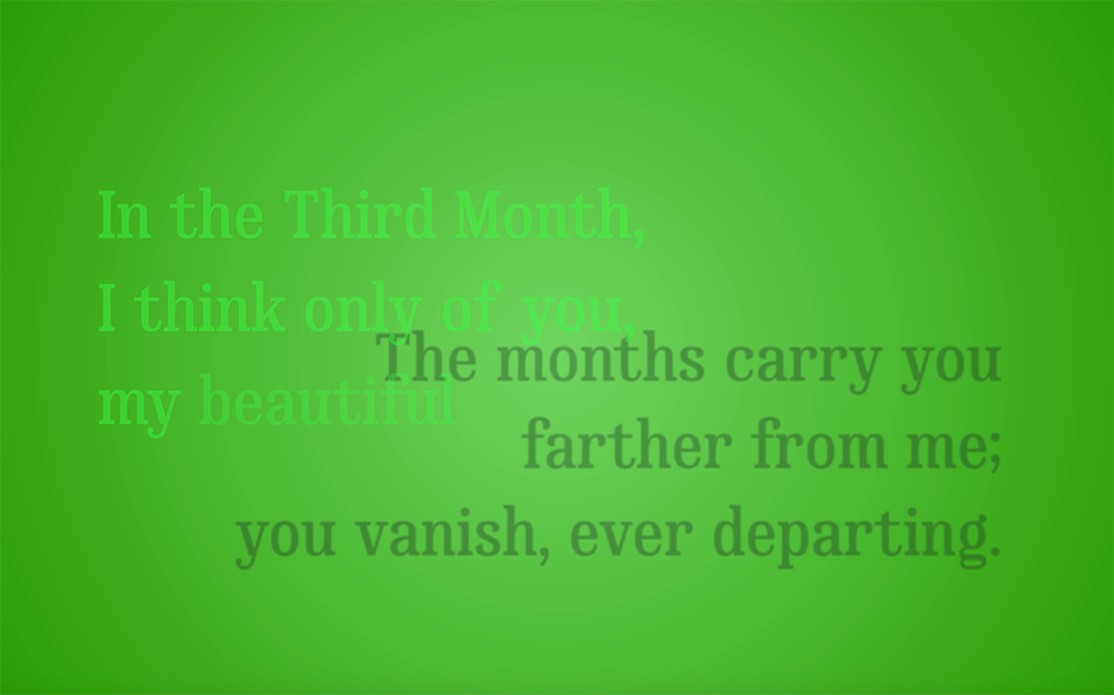
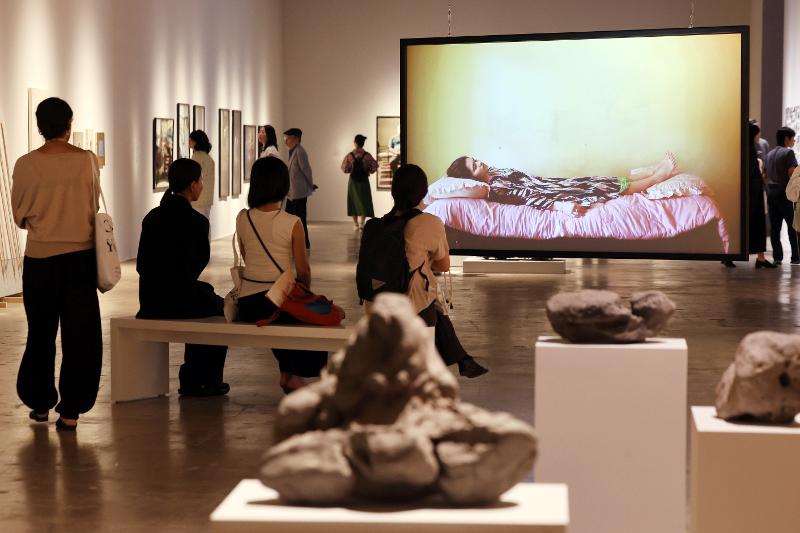
YoungEun Kim, To Future Listeners: Migrating Sounds, 2026. 115.4-channel sound, three-channel video, lighting, 60 min. Image courtesy of the National Asian Culture Center.
YoungEun Kim uses sound and listening to
explore experiences of movement and migration that have remained at the margins
of historical accounts. Presented through a 115.4-channel sound system, the
installation fills the gallery with voices that move, overlap, and resonate,
inviting visitors to encounter histories of migration across Asia through
listening.
2. Busan Biennale 2026
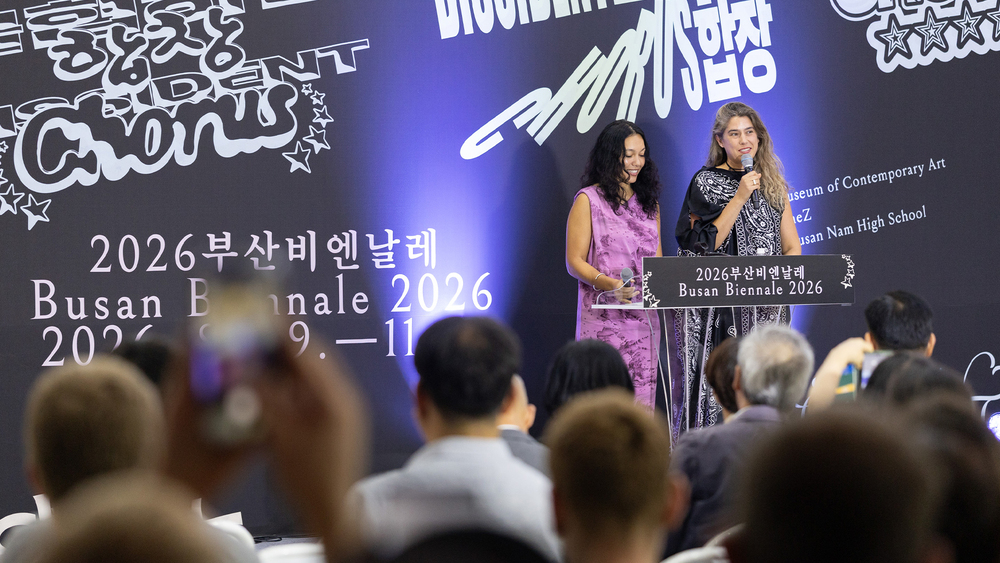
《Dissident
Chorus》
Dates:
August 29–November 1, 2026
Venues: Busan Museum of Contemporary Art, Space OneZ, and the former
Busan Nam High School
Artistic Directors: Evelyn Simons and Amal Khalaf
Participants: 46 artists and collectives from 22 countries, comprising
49 individuals
Website: Busan Biennale 2026
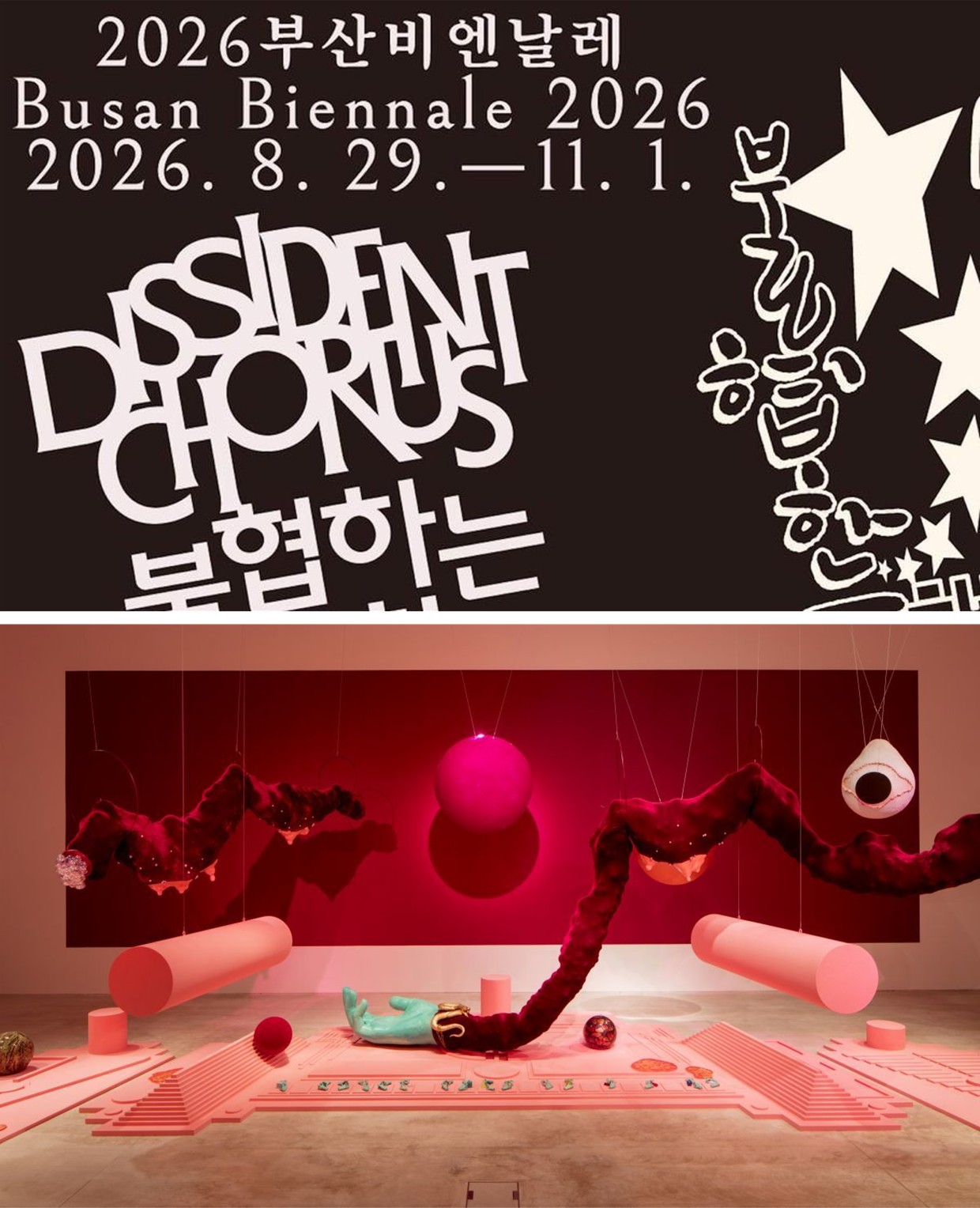
Top: Official poster of Busan Biennale 2026. Bottom: Tai Shani’s work on display at Turner Contemporary in Margate, UK, during the 2019 Turner Prize ceremony. Photograph: David Levene. Images supplied by the Busan Biennale Organizing Committee.
Origins
The event took its current name, Busan
Biennale, in 2002. Drawing on the history of a port city long shaped by the
movement of people, goods, and cultures, it has sought to connect the region
with the wider world through contemporary art.
The 2026 Edition
《Dissident Chorus》 focuses on sound and vibration, bodies and memory. Through song,
dance, ritual, performance, and voices of resistance, it considers how
different beings can form relationships while retaining their differences.
Approximately 70 percent of participating artists present new work made for the
biennial.
The exhibition connects three distinct
sites: the Busan Museum of Contemporary Art, Space OneZ, a former warehouse
associated with the shipping industry, and the former Busan Nam High School.
The City and Its Art
Busan’s maritime culture is inseparable
from its histories of industry, migration, wartime refuge, and labor. The
biennial has repeatedly drawn on these histories, bringing the city’s spaces
and memories into conversation with contemporary art from around the world.
Busan Museum of Art
The Busan Museum of Art reopened in
September 2026 following renovations that began in 2024. Its new program places
renewed emphasis on the history of art in Busan while developing partnerships
with museums internationally.
Exhibition to Visit | 《Still We Are Borne On These Waves: 1945–1953》
Dates:
September 17, 2026–February 14, 2027
Venue: Second floor, main building, Busan Museum of Art
On View: Approximately 250 artworks and 450 archival items
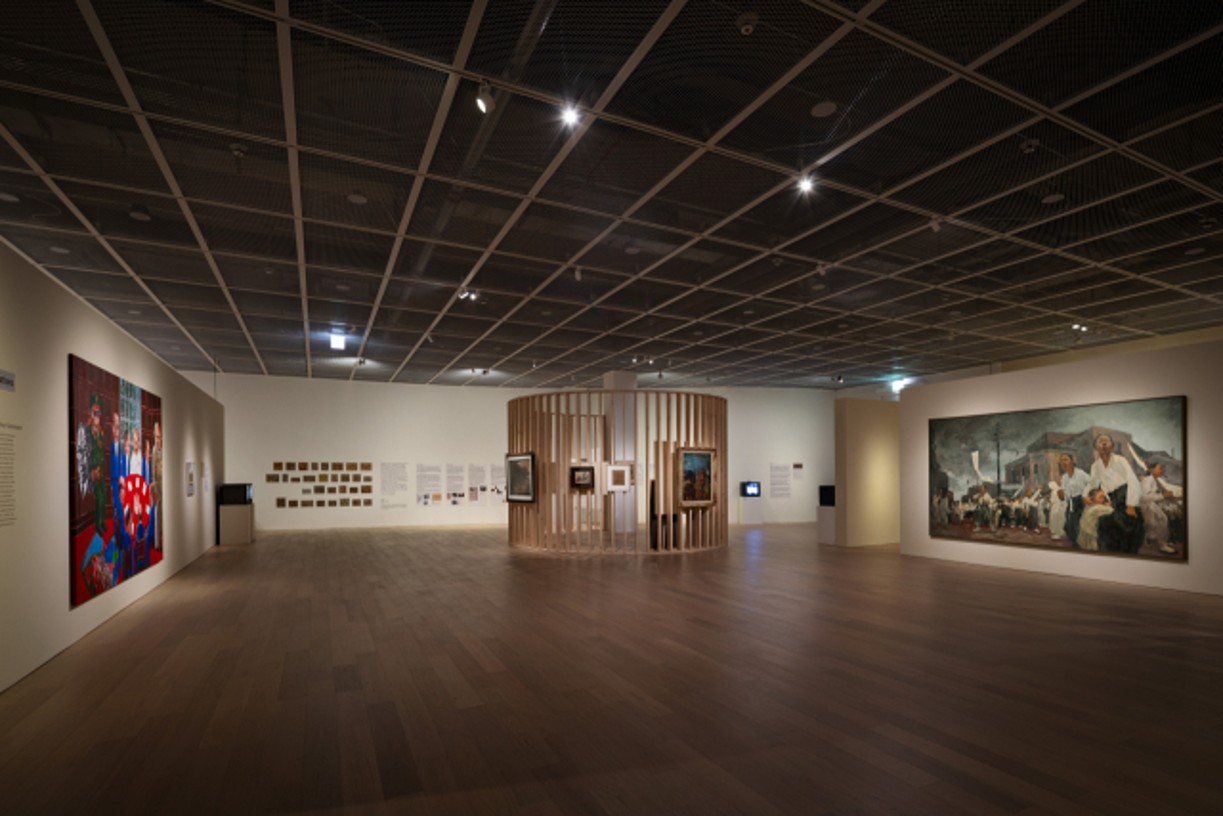
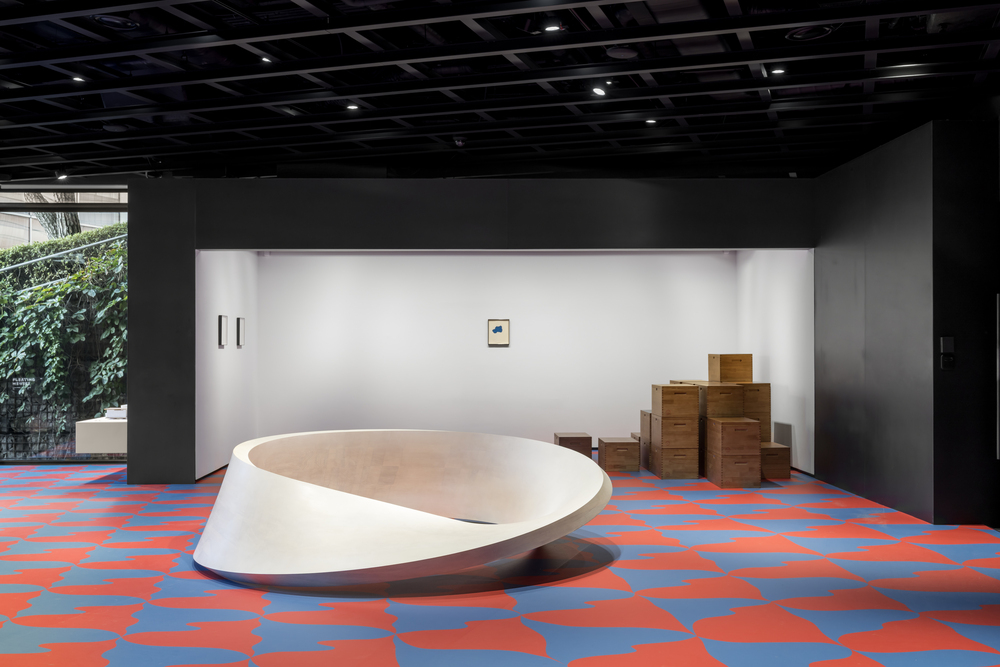
Installation view of 《Still We Are Borne On These Waves: 1945–1953》, a special exhibition marking the reopening of the Busan Museum of Art. Image courtesy of the Busan Museum of Art.
A major exhibition in the museum’s
reopening program, this presentation examines Korean society from liberation
from Japanese colonial rule in 1945 through the Korean War of 1950–1953. Works
by artists who lived through the period appear alongside interpretations by
contemporary artists, tracing how the upheavals of these years shaped Korean
society and art.
3. The 5th Jeju Biennale 2026
《Iyahong:
The Art of Metamorphosis》
Dates:
August 25–November 15, 2026
Venues: Jeju Museum of Art, Obaekjanggun Gallery at Jeju Stone Park, and
Jeju’s old downtown
Participants: 69 artists and collectives from Korea and abroad
Website: Jeju Biennale
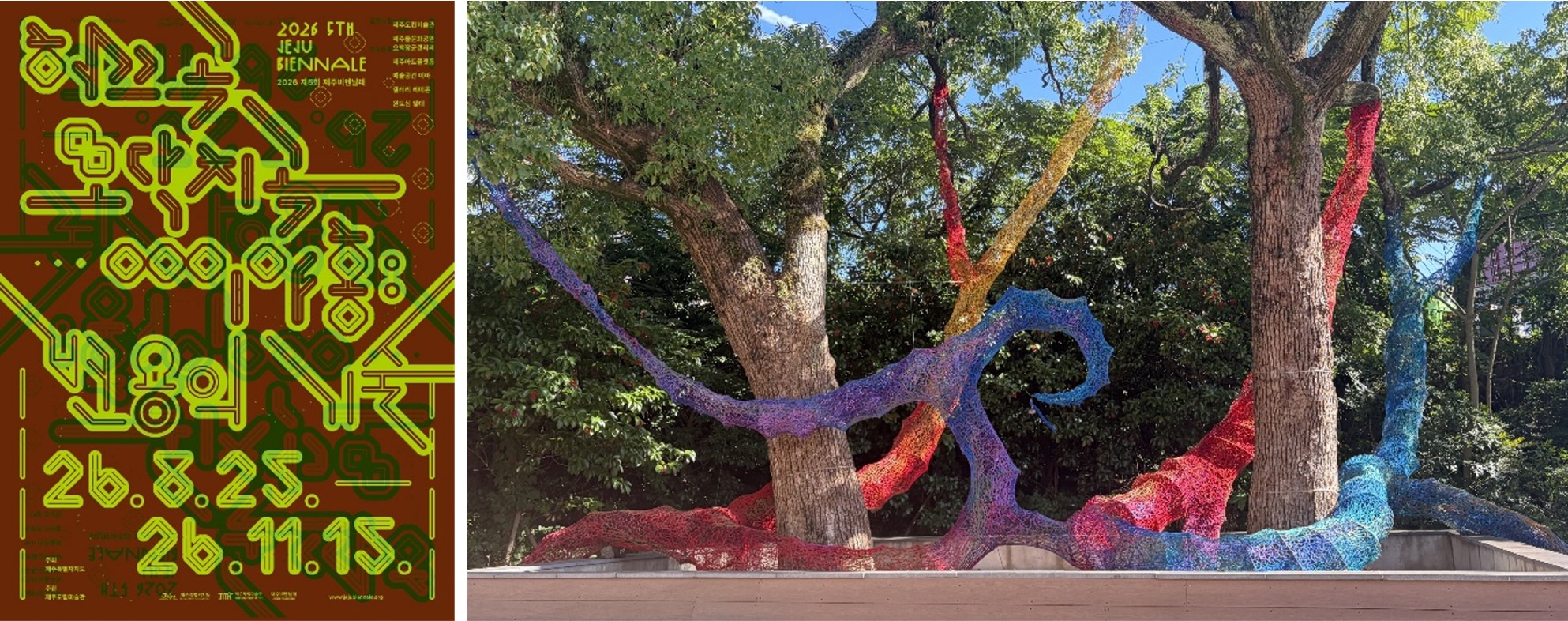
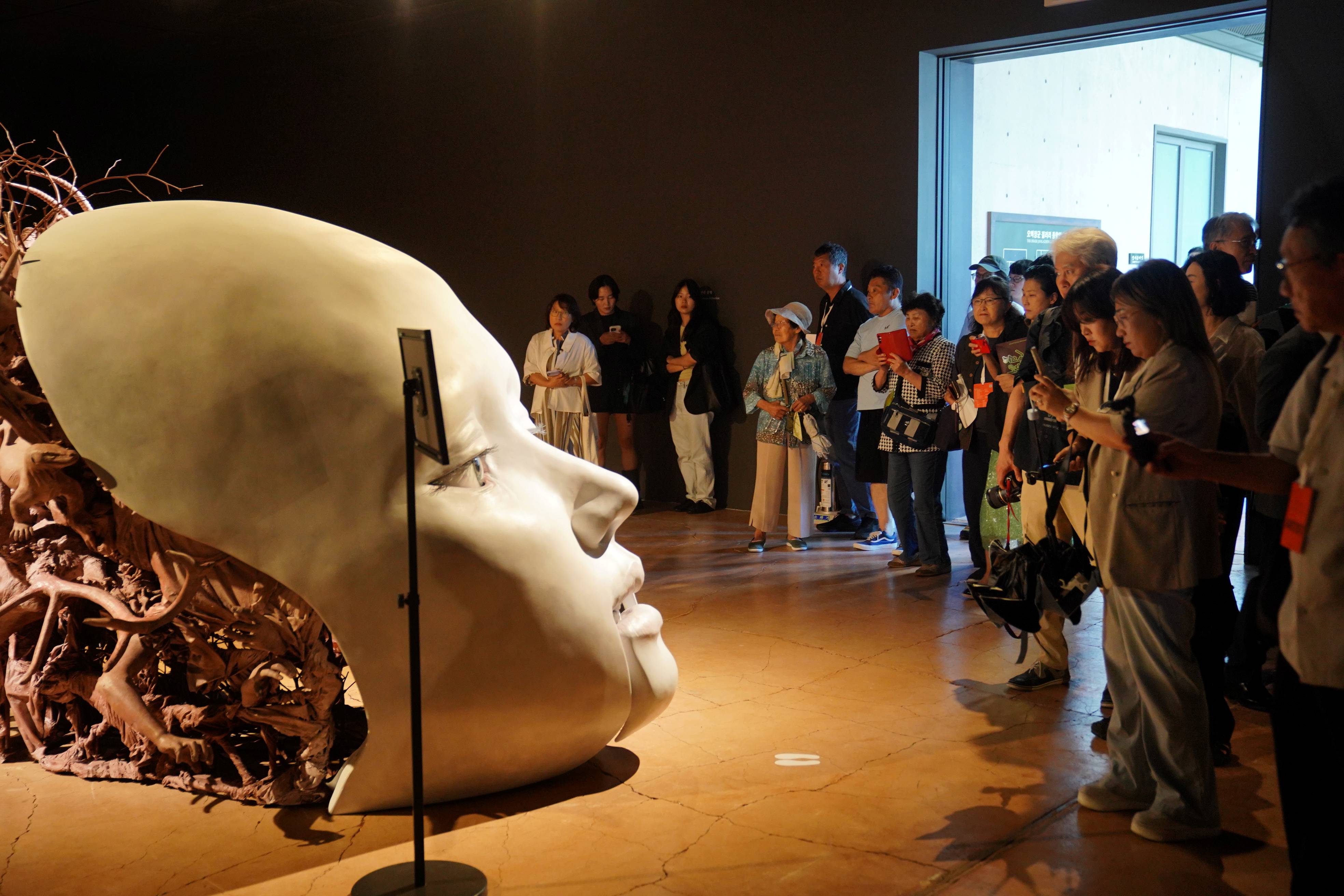
(Left) Official poster for the Jeju Biennale; (right) Installation view of a participating work / Photo: Jeju Biennale
Origins
An early effort to establish a biennial on
Jeju took the form of a pre-biennial in 1995. The present Jeju Biennale began
in 2017. It examines the island’s distinctive environment, history, and culture
through contemporary art, while creating opportunities for international
artistic exchange.
The 2026 Edition
The fifth Jeju Biennale explores how the
island’s indigenous culture has mixed with, absorbed, and transformed
influences from northern civilizations. Its Korean title draws on local
expressions for mixing (heokkeuda) and gathering (modakchida),
together with iyahong, a refrain from Jeju folk
songs.
The exhibition adopts iyahong
as a motif for the processes through which cultures flow, intermingle, and take
new forms. Exile, stone culture, and mythology provide three strands connecting
Jeju’s history, geology, and religious traditions. Artists from Jeju make up
approximately 30 percent of the participants.
The Island and Its Art
Jeju is a volcanic island at the
intersection of southern maritime and northern continental cultures. Its
landscape, myths, folk traditions, and historical experiences have produced a
strong local identity that continues to inform contemporary art on the island.
Kim
Tschang-Yeul Art Museum Jeju
Dedicated to the collection and study of
Kim Tschang-Yeul’s paintings and archival materials, the museum offers a
focused encounter with the artist’s work and another perspective on Jeju’s art
institutions.
Exhibition to Visit | 《Kim Tschangyeul: A Painter in Paris》
Dates: June
30–October 18, 2026
Venues: Galleries 2 and 3 and the screening room, Kim Tschang-Yeul Art
Museum Jeju
On View: 28 works
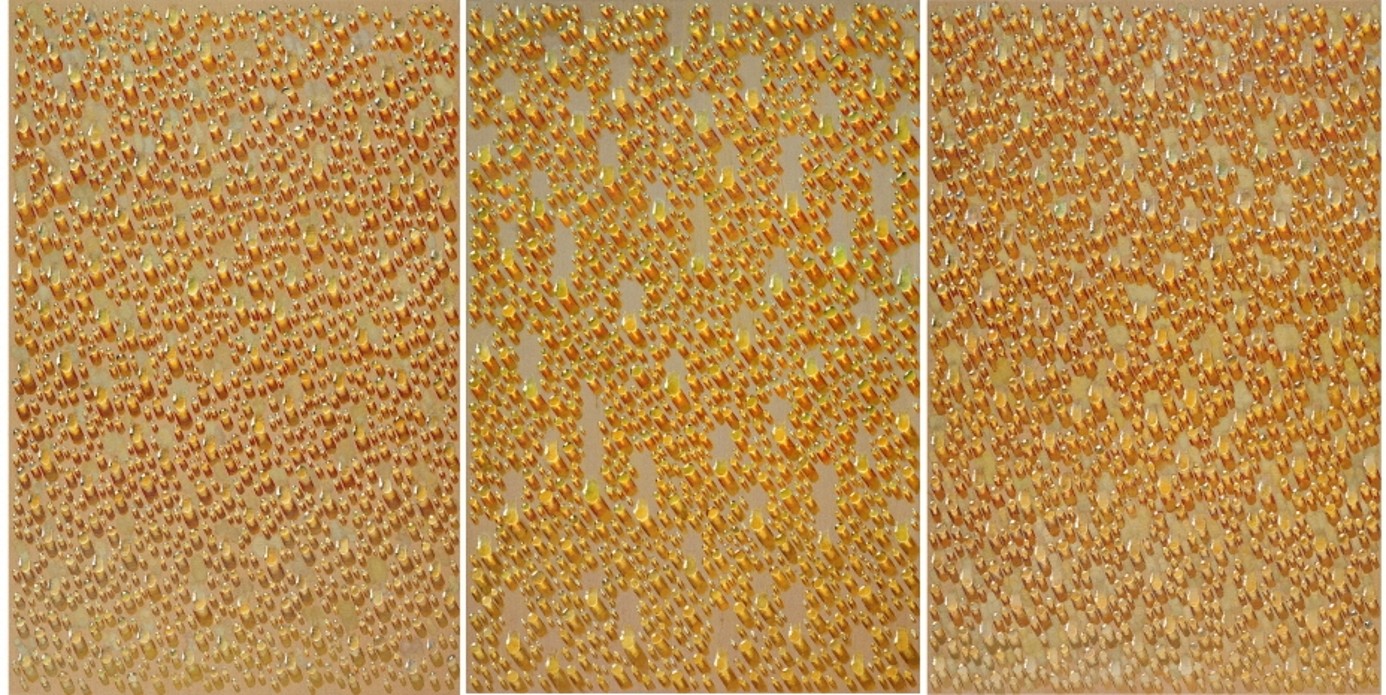
Kim Tschang-Yeul, Water Drops, DR98001, 1998. Acrylic and oil on hemp cloth, 330 × 195 cm (three panels). Image courtesy of the Kim Tschang-Yeul Art Museum Jeju.
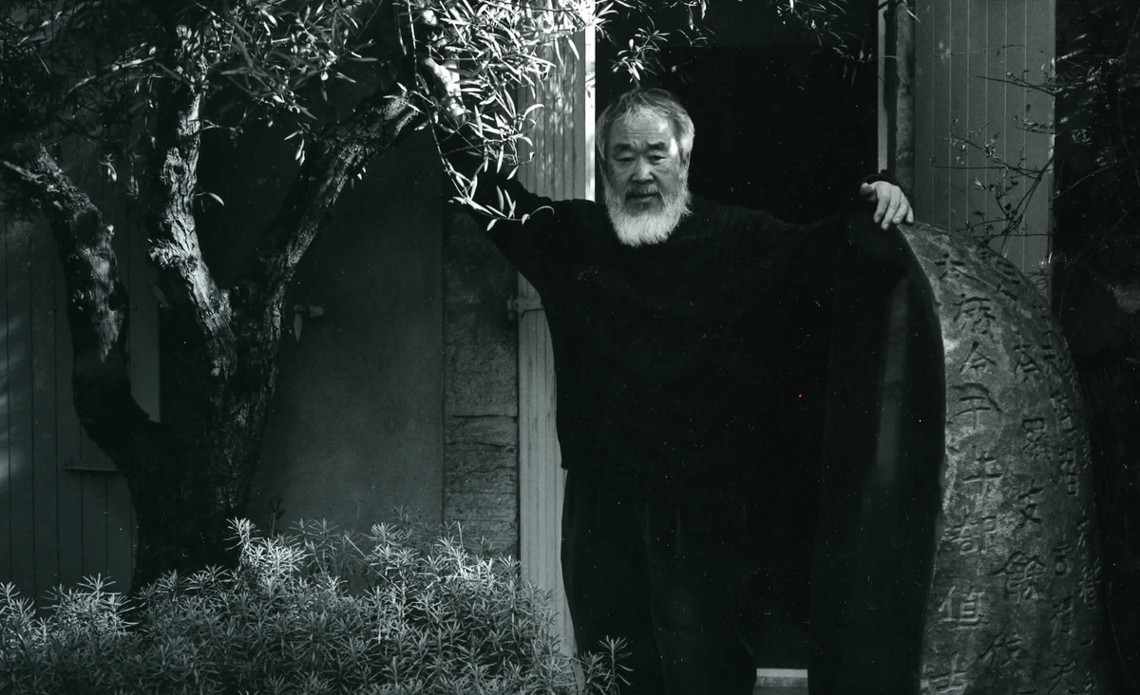
Kim Tschang-Yeul at the entrance to his studio in Draguignan, France. Image courtesy of the Kim Tschang-Yeul Art Museum Jeju.
The exhibition focuses on the painting
practice Kim developed in Paris. A concurrent exhibition devoted to his
newspaper works, 《Subtle Matter: Kim Tschang-Yeul’s
Newspaper Works》, presents
a further 24 paintings. Both exhibitions run through October 18.
4. Gyeonggi Ceramics Biennale
2026
《Earth
Makes》
Dates:
September 18–November 1, 2026
Venues: Icheon, Gwangju, and Yeoju, Gyeonggi Province
Artistic Director: Daehyung Lee
Website: Gyeonggi
Ceramics Biennale 2026
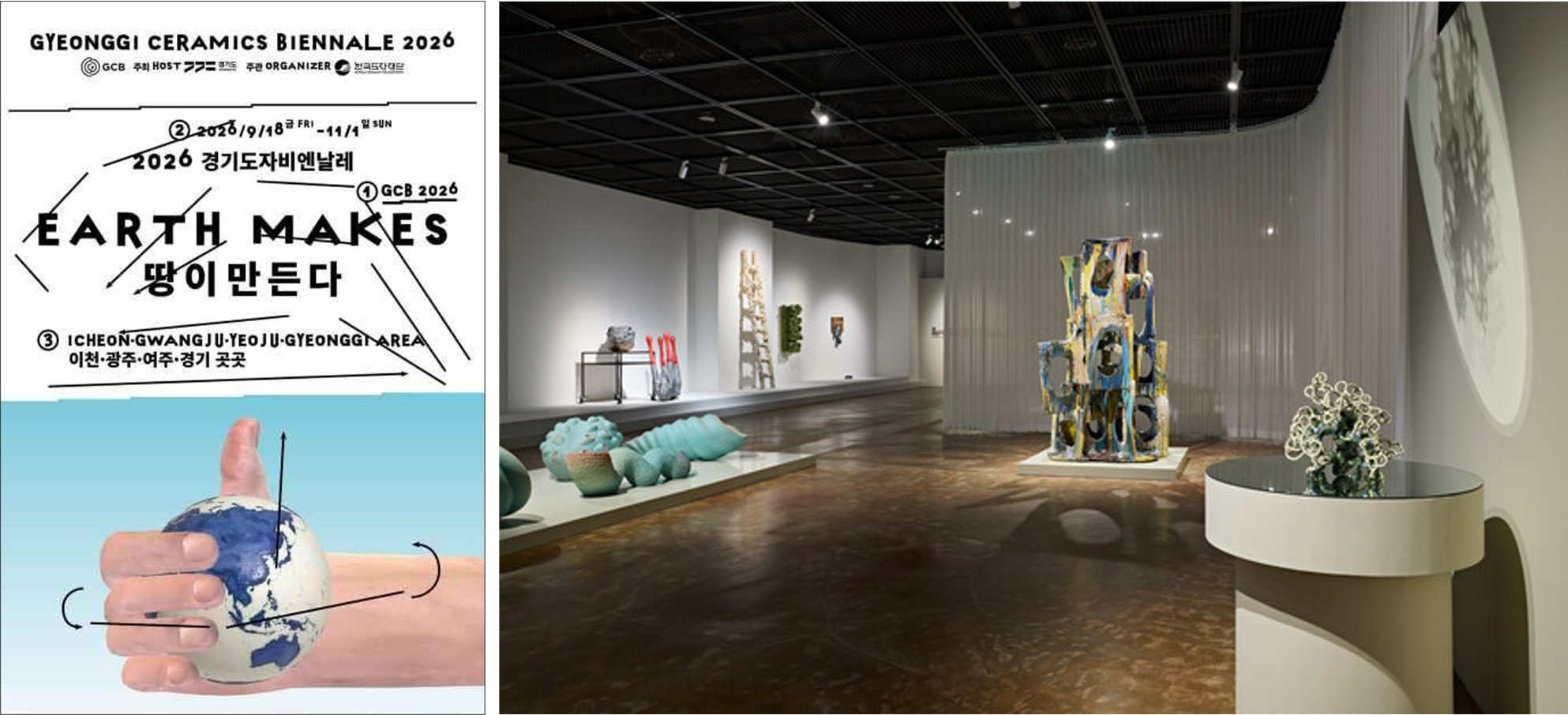
Left: Official poster of the Gyeonggi Ceramics Biennale. Right: Installation view of the 2026 International Competition exhibition. Images courtesy of Gyeonggi Province.
Origins
The biennial began in 2001 as the World
Ceramic Biennale, alongside the World Ceramic Exposition. It connects the
ceramic traditions of Icheon, Gwangju, and Yeoju with contemporary ceramics
internationally, helping establish the medium’s wider place in contemporary
art. The 2026 event marks its 13th edition.
The 2026 Edition
《Earth Makes》
considers ceramic creation as a process in which human decisions interact with
clay, water, fire, time, technology, and the environment. The main exhibition
at the Gyeonggi Museum of Contemporary Ceramic Art in Icheon is accompanied by
the International Competition, special exhibitions, collection displays, and
programs across Gwangju and Yeoju.
The Region and Its Art
Icheon, Gwangju, and Yeoju form one of
Korea’s principal ceramic regions, with a heritage rooted in the traditions of
the Joseon dynasty. Kilns and workshops coexist with museums and institutions
supporting contemporary ceramics, giving the biennial a direct connection to
local production and artistic practice.
Gwangju in this section is the city in
Gyeonggi Province, distinct from the southwestern city that hosts the Gwangju
Biennale.
Gyeonggi Museum of Ceramic
Design
Located in Yeoju, the museum explores
functional ceramics and craft, bringing traditional uses into dialogue with
contemporary approaches to material and form.
Exhibition to Visit | 《Original Essence, Unfamiliar Tradition》
Scheduled Dates: September 15, 2026–March 31, 2027, subject to confirmation
Venue: Second floor, Gyeonggi Museum of Ceramic Design
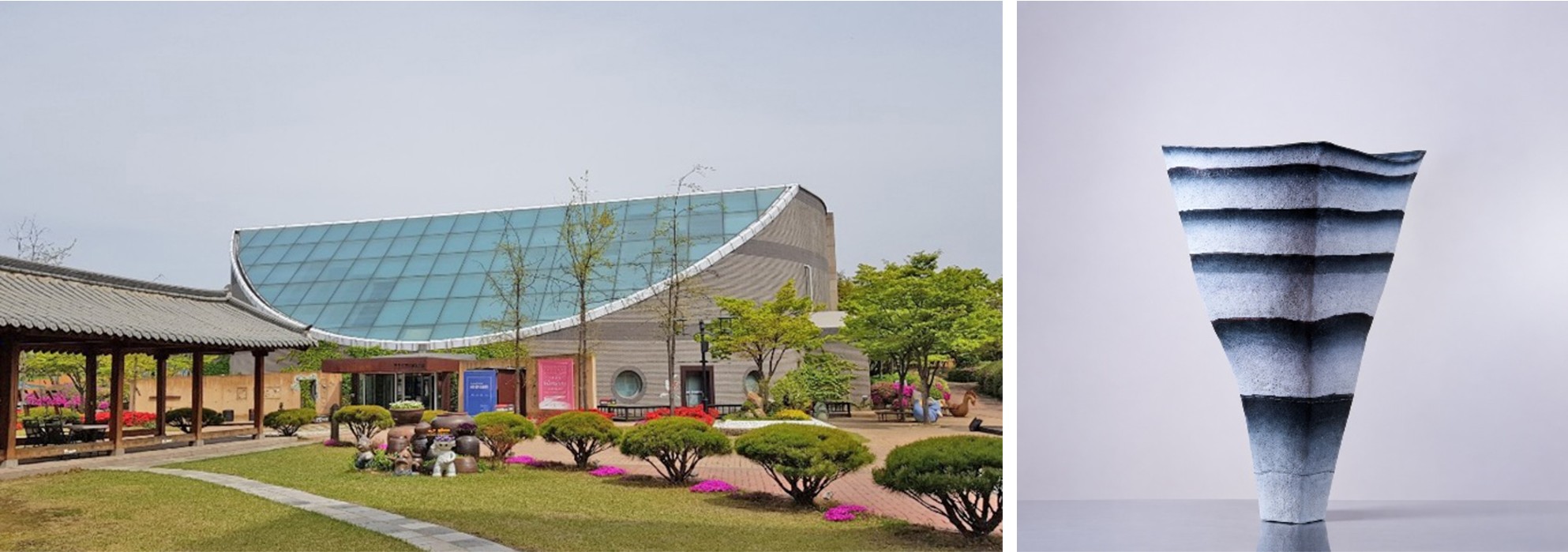
Left: Exterior of the Gyeonggi Museum of Ceramic Design. Right: A work featured in the exhibition. Images courtesy of Gyeonggi Museum of Ceramic Design.
The exhibition broadens familiar accounts
of Korean ceramics by examining traditions beyond celadon and undecorated white
porcelain. These include earthenware, black-glazed wares, iron-painted
porcelain, and buncheong, stoneware decorated with white slip. Artists from
different generations reinterpret inherited materials and techniques through
contemporary forms.
5. Changwon Sculpture Biennale
2026
《Resonance
Field》
Dates:
September 30–November 15, 2026
Venues: Sungsan Art Hall, the House of Changwon, Changwon History and
Folklore Museum, the Jinhae Station area, and Masan Fish Market
Co-Artistic Directors: Cho Hyejeong and Jiang Jun
Participants: 74 artists and collectives from 14 countries, comprising
81 individuals; approximately 200 works
Website: Changwon Sculpture
Biennale
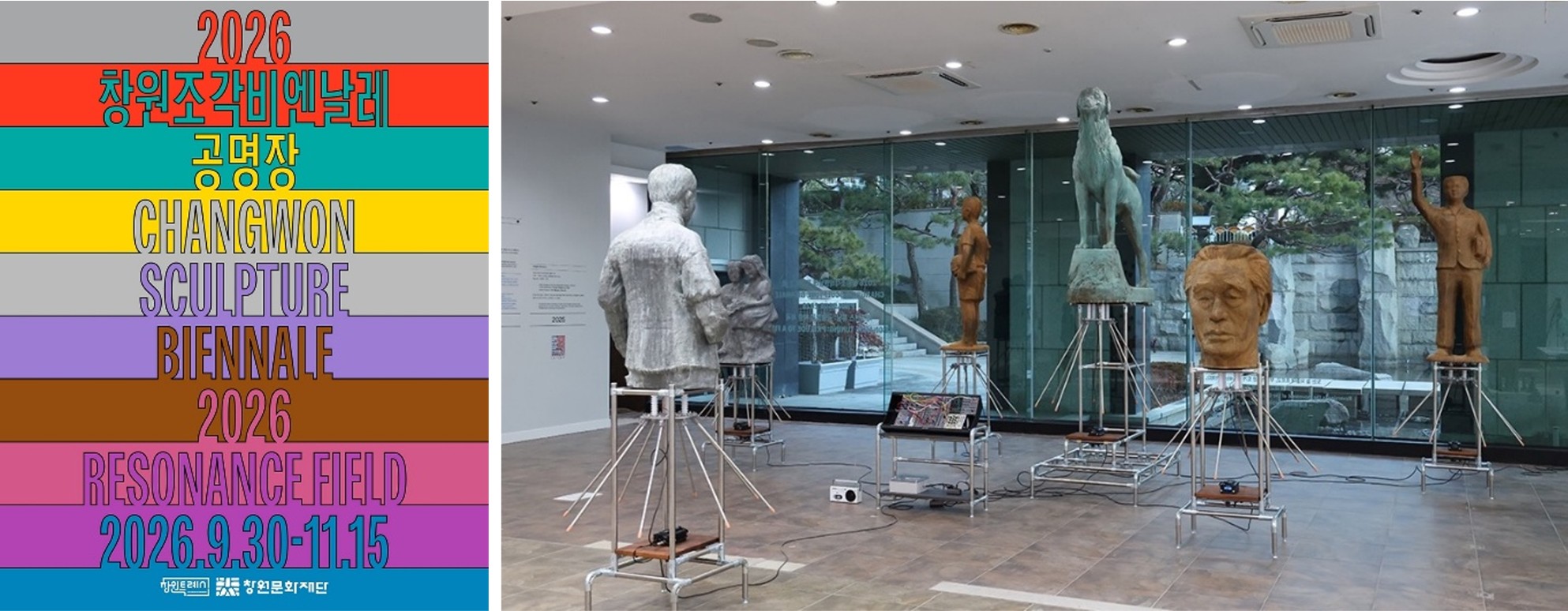
Left: Official poster of the 2026 Changwon Sculpture Biennale, Resonance Field. Right: Beak Jungki, Active Statue, 2023. Metal powder casting, transmitter, radio, MP3 player, stainless steel, pipe, wood, and mixed media; dimensions variable. Photograph: Page B (Ahn Jinwoo). Images courtesy of the Changwon Sculpture Biennale.
Origins
The Changwon Sculpture Biennale grew out of
the Moon Shin International Sculpture Symposium, launched in 2010 to honor the
sculptor’s work and legacy. It adopted the biennial format in 2012 and has
since been held every two years. The event draws on the region’s close
connections to major figures in Korean sculpture, including Moon Shin and Kim
Chong Yung.
The 2026 Edition
《Resonance Field》 asks how sculpture’s material presence and relationship to the body
might renew connections between people, and between people and the world. Five
venues across Changwon, Masan, and Jinhae form a route through the city. The
program brings together the main exhibition, Sculpture Before Sculpture,
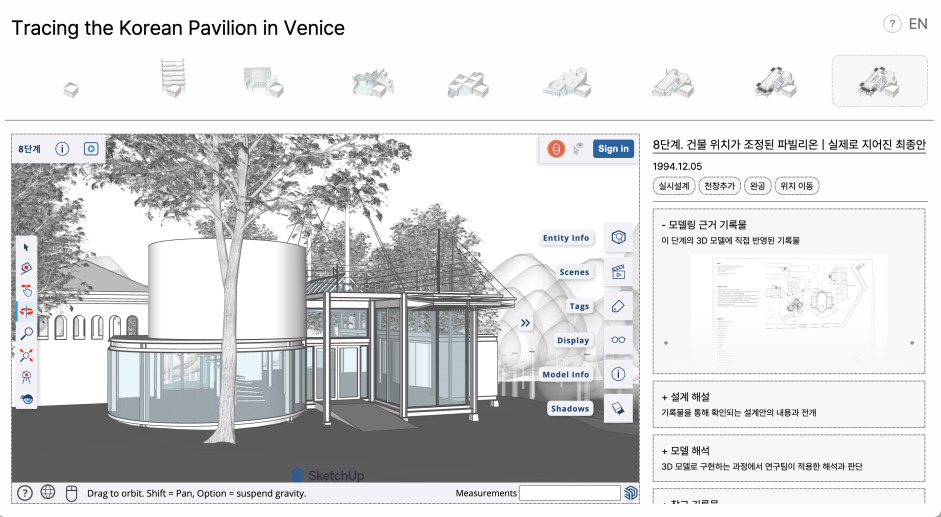
and the digital archive 《Changwon Sculpture Atlas》.
The City and Its Art
Present-day Changwon brings together the
formerly separate cities of Changwon, Masan, and Jinhae. The planned industrial
city, the port, and the historic urban districts retain distinct identities
within the unified municipality. Their different histories provide a varied
setting for the biennial, alongside the region’s longstanding ties to Moon
Shin, Kim Chong Yung, and modern Korean sculpture.
Changwon City Masan Moon Shin
Art Museum
The museum grew out of the institution Moon
Shin built in his hometown of Masan. Its sculptures, drawings, original plaster
models, and archives offer a sustained view of his artistic development.
Exhibition to Visit | 《The Origin》
Dates:
February 24, 2026–August 29, 2027
Venue: Changwon City Masan Moon Shin Art Museum
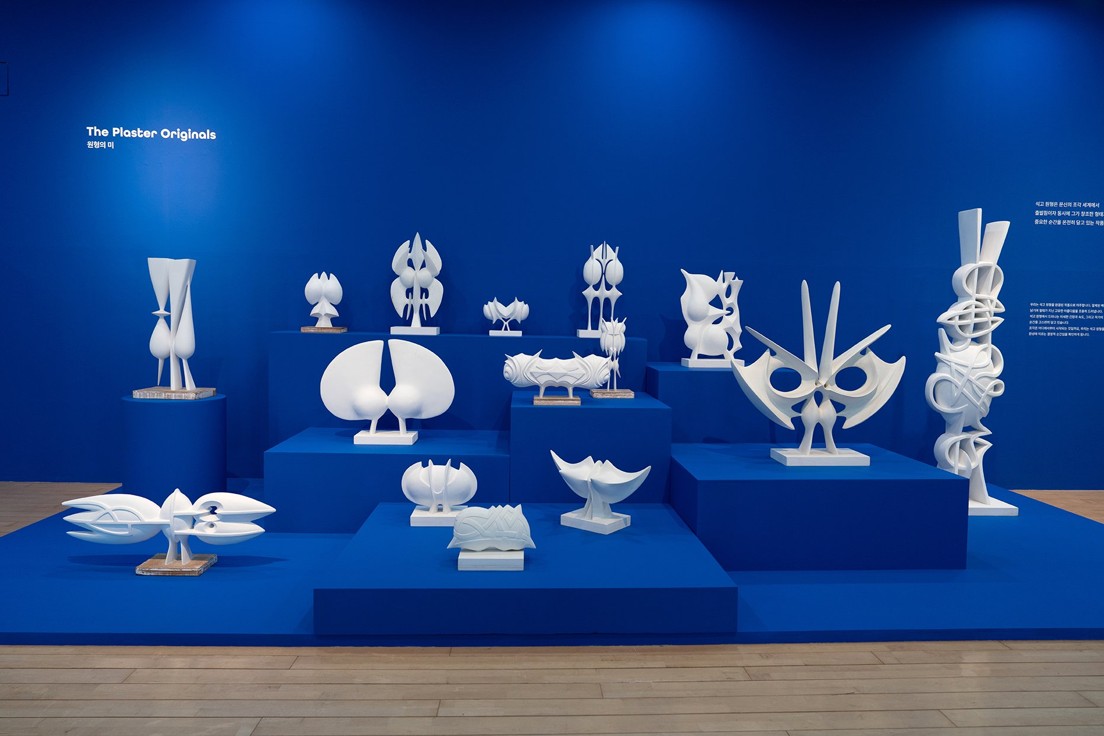
Works on view in 《The Origin》 at the Changwon City Masan Moon Shin Art Museum. Images courtesy of the Changwon City Masan Moon Shin Art Museum.
《The Origin》
presents Moon Shin’s original plaster models as works in their own right. These
objects reveal how his forms first took shape, allowing visitors to follow the
development of an idea before its realization as a finished sculpture. The
exhibition offers a close study of sculptural process alongside the biennial’s
broader exploration of the medium.
6. The 12th Geumgang Nature Art
Biennale
《Urban
Nature Art: Let the Sunlight into My Window》
Dates:
September 12–November 8, 2026
Venues: The former Gongju Brewery, Nature Art Museum Ko, and the
Jemicheon stream area
Website: Geumgang Nature
Art Biennale
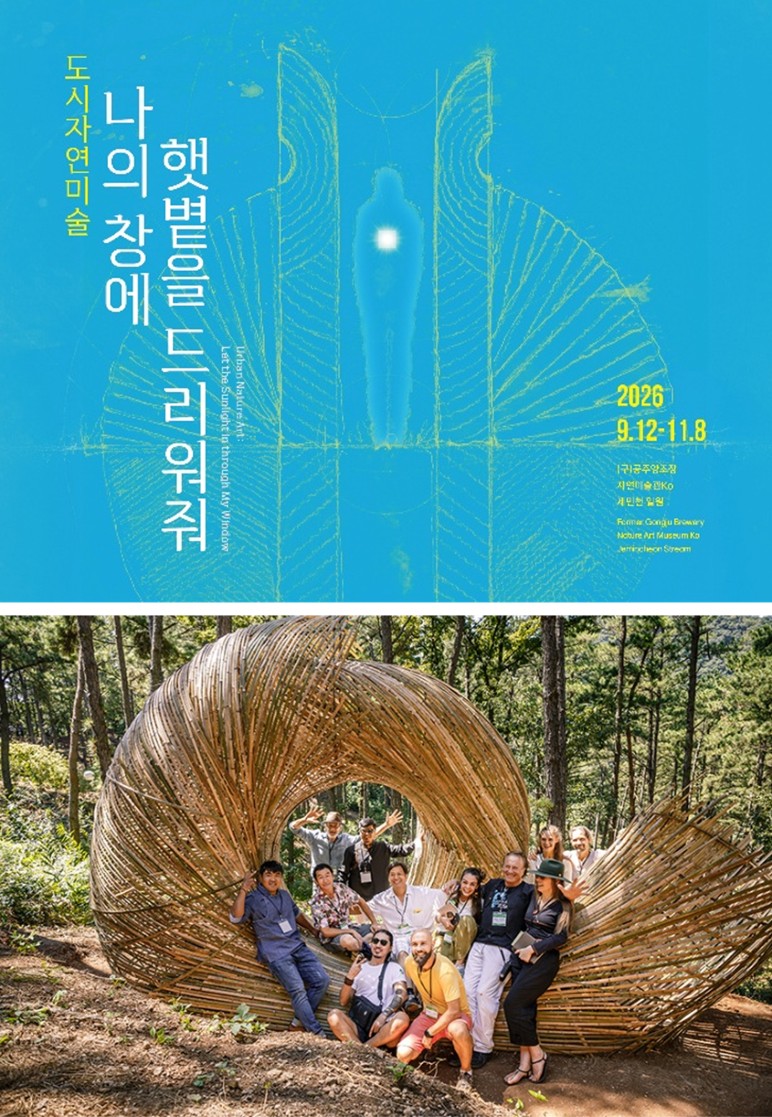
Top: Official poster of the Geumgang Nature Art Biennale. Bottom: A participating artist and artwork. Images courtesy of the Geumgang Nature Art Biennale website.
Origins
The Geumgang Nature Art Biennale traces its
roots to YATOO, the Korean Nature Artists’ Association, founded in Gongju in
1981. YATOO developed an approach to art based on working directly with natural
surroundings and organized international nature art exchanges from the 1990s
onward. These activities led to the first Geumgang Nature Art Biennale in 2004.
The 2026 Edition
This year’s theme, “Urban Nature Art,”
brings the relationship between nature and the city into focus. Extending its
activities into Gongju’s old downtown and along the Jemicheon stream, the
biennial connects a main exhibition with a Nature Art Cube exhibition, an
international symposium, and educational and exchange programs.
The City and Its Art
Gongju was a capital of the ancient kingdom
of Baekje and has also been a center of Korea’s nature art movement since the
1980s. Its historic sites and natural surroundings provide a setting for an
artistic tradition developed through decades of local practice and
international exchange.
Gongju National Museum
The museum collects and researches the
heritage of the Gongju region, with a particular focus on the Ungjin period of
Baekje, when the city served as the kingdom’s capital. A visit provides a
historical perspective on the region alongside the biennial’s contemporary
work.
Exhibition to Visit | 《Gyeryongsan, Korea’s Sacred Mountain》
Dates:
September 22, 2026–March 1, 2027
Venue: Special Exhibition Gallery, Gongju National Museum
Admission: Free
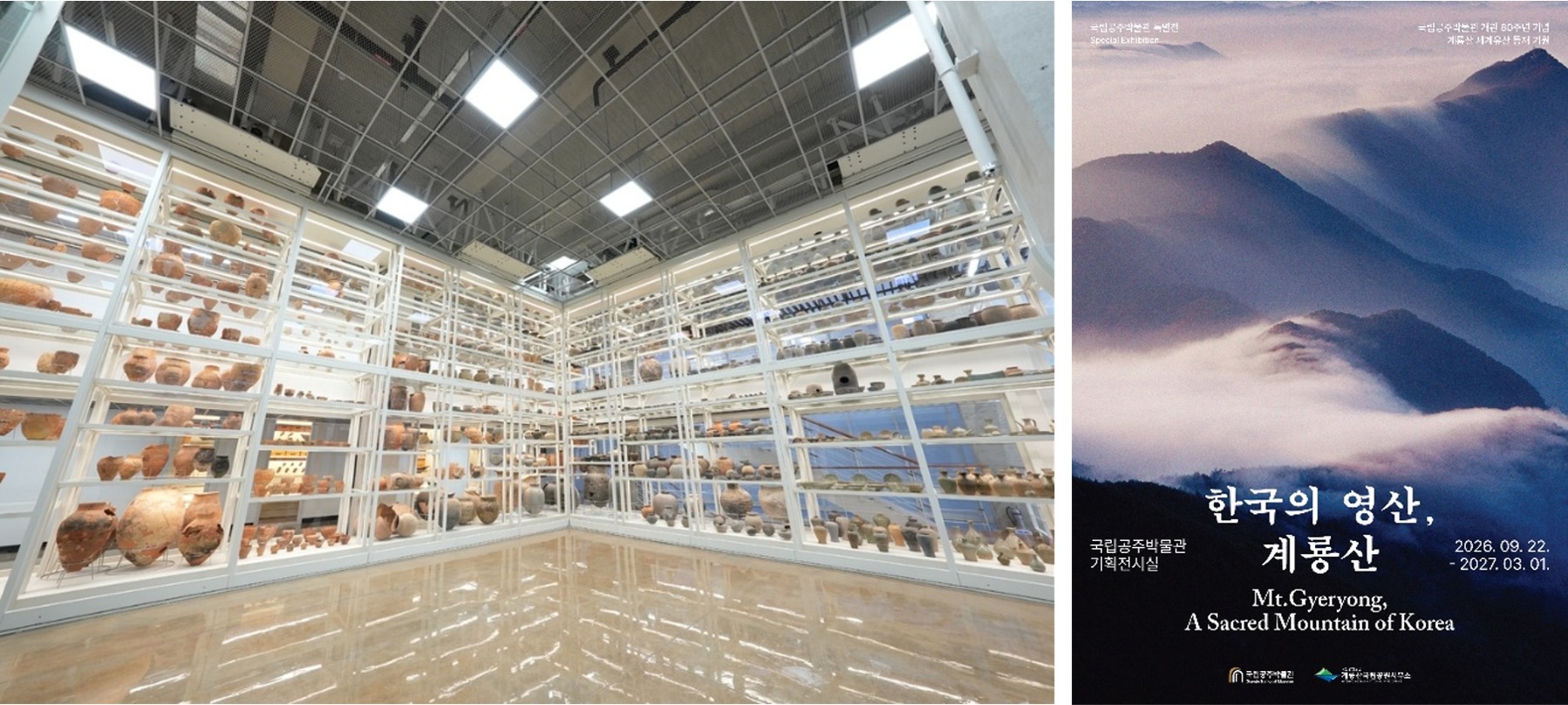
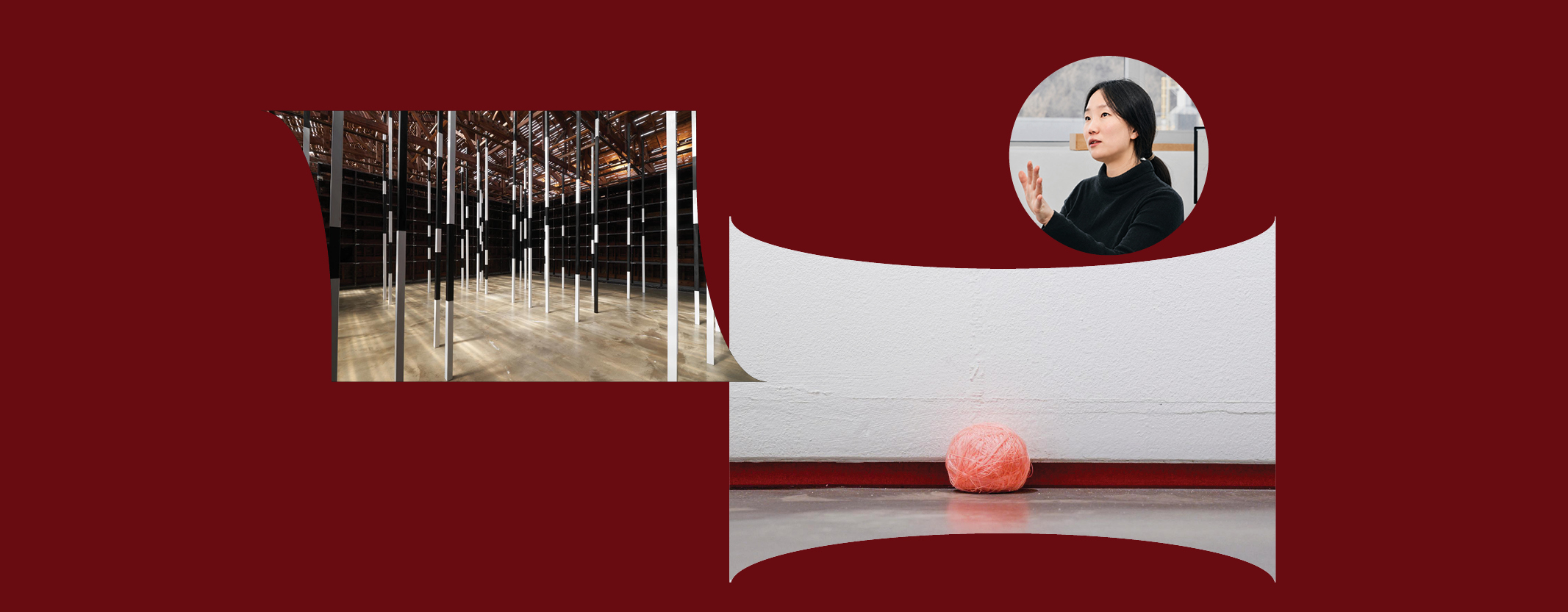
Left: Nurim, an exhibition space within Gongju National Museum’s collection storage facility. Right: Poster of the special exhibition 《Gyeryongsan, Korea’s Sacred Mountain》. Images courtesy of Gongju National Museum.
This special exhibition examines
Gyeryongsan, a mountain closely associated with Gongju and the wider
Chungcheong region. Cultural artifacts trace its historical significance and
the beliefs and traditions that have formed around it. Digital presentations
accompany the objects, offering further ways to explore the mountain’s place in
Korean cultural history.
Discovering Korea Through Its
Biennials
These six biennials offer distinct ways to
encounter art in Korea this autumn. Gwangju and Busan connect international
contemporary art with their cities’ historical experiences; Jeju brings island
culture and ecology to the fore. Gyeonggi, Changwon, and Gongju build on
sustained regional engagement with ceramics, sculpture, and nature art.
Visitors can follow these differences
according to their interests. Gwangju and Busan offer a broad view of
international contemporary practice, while Jeju invites closer attention to the
relationship between art and local history. Gyeonggi and Changwon reward an
interest in particular materials and forms, and Gongju opens up questions about
how art engages with natural and urban environments.
Together, the biennials provide a reason to
explore Korea through its art. Visiting the museums and exhibitions around them
adds depth to that experience, revealing the traditions, institutions, and
artists that continue to shape each region’s cultural life.