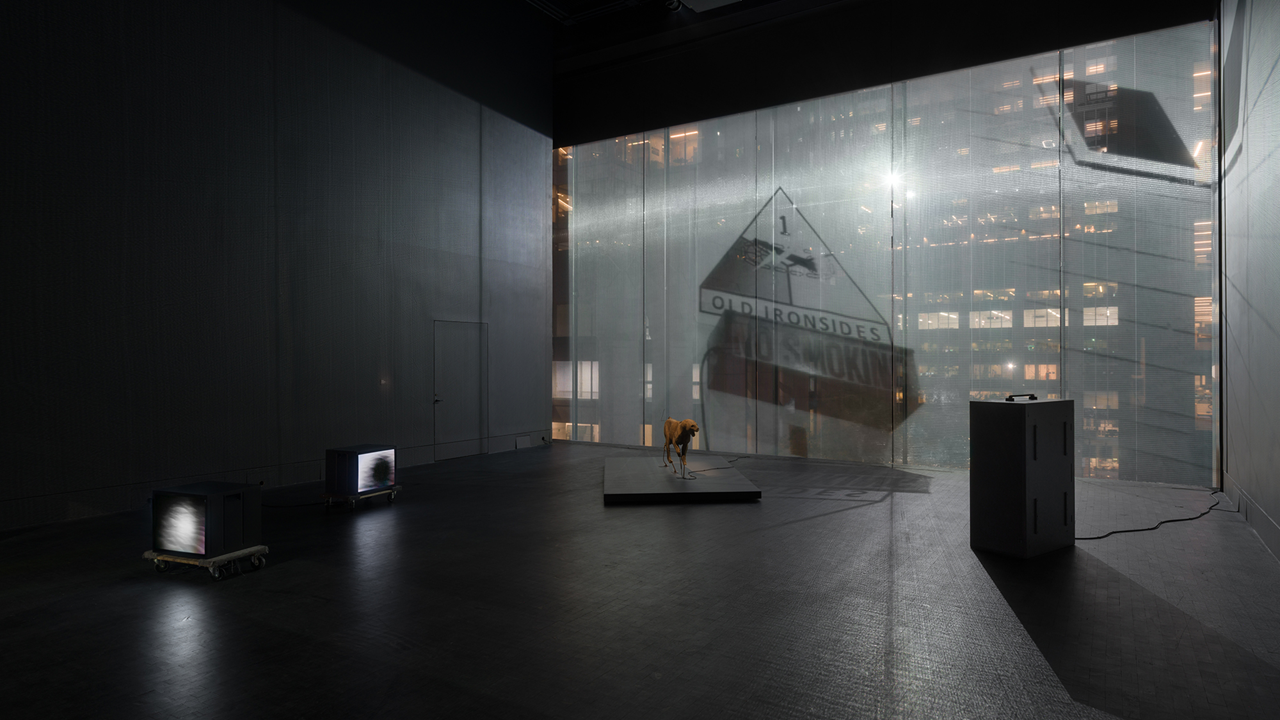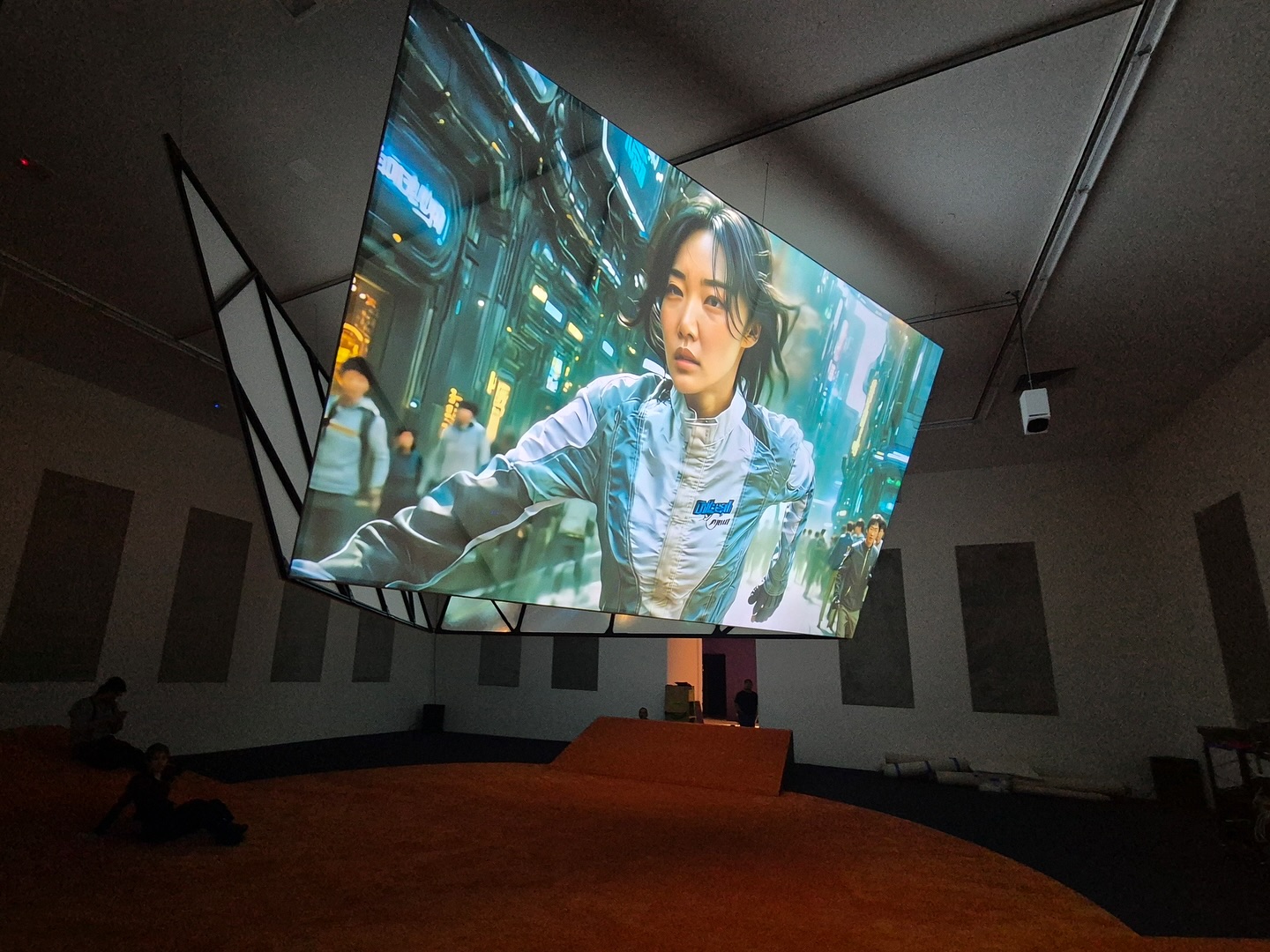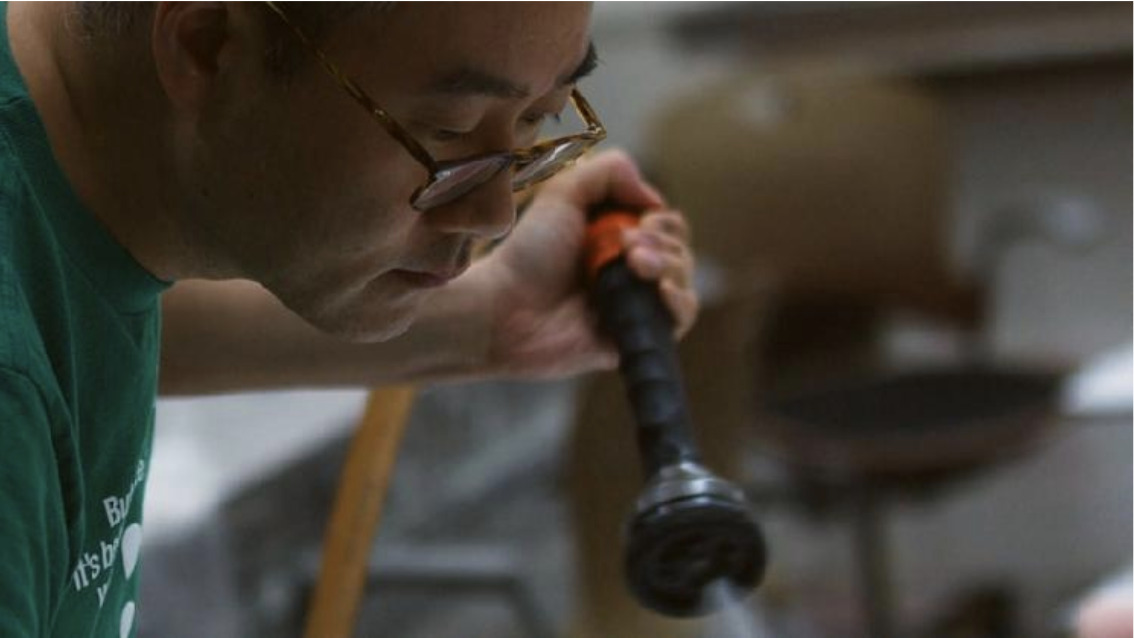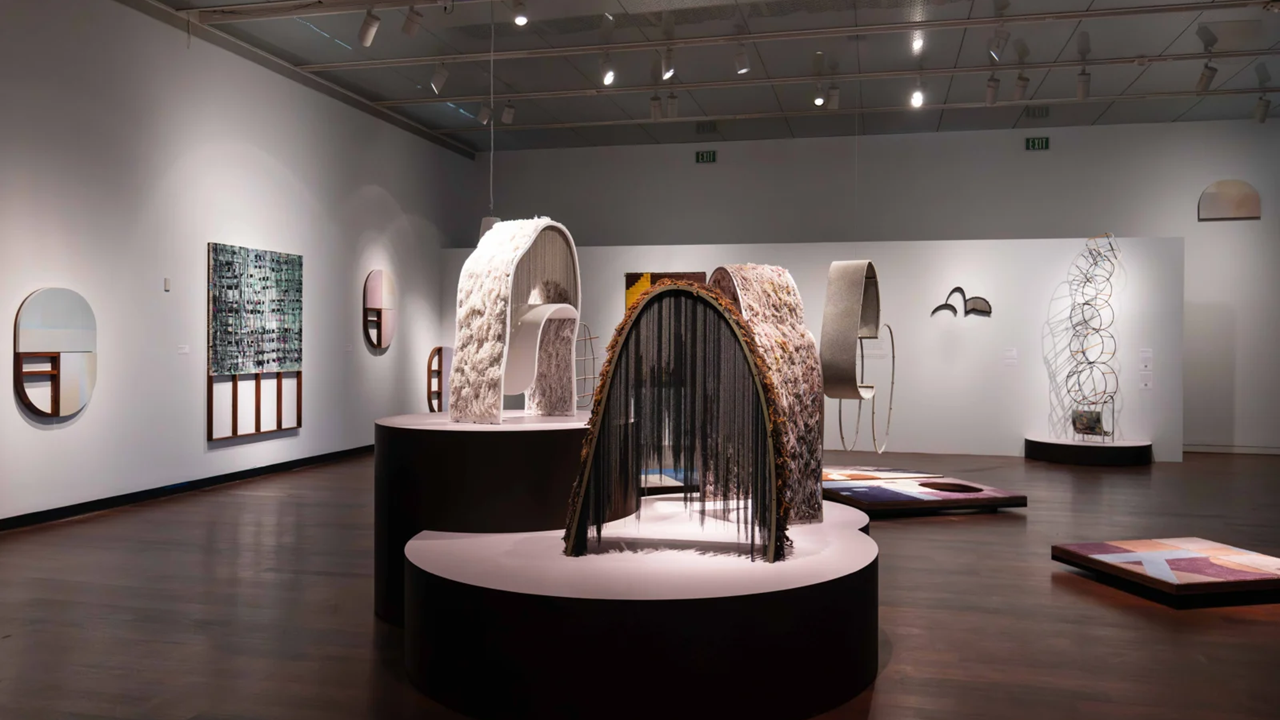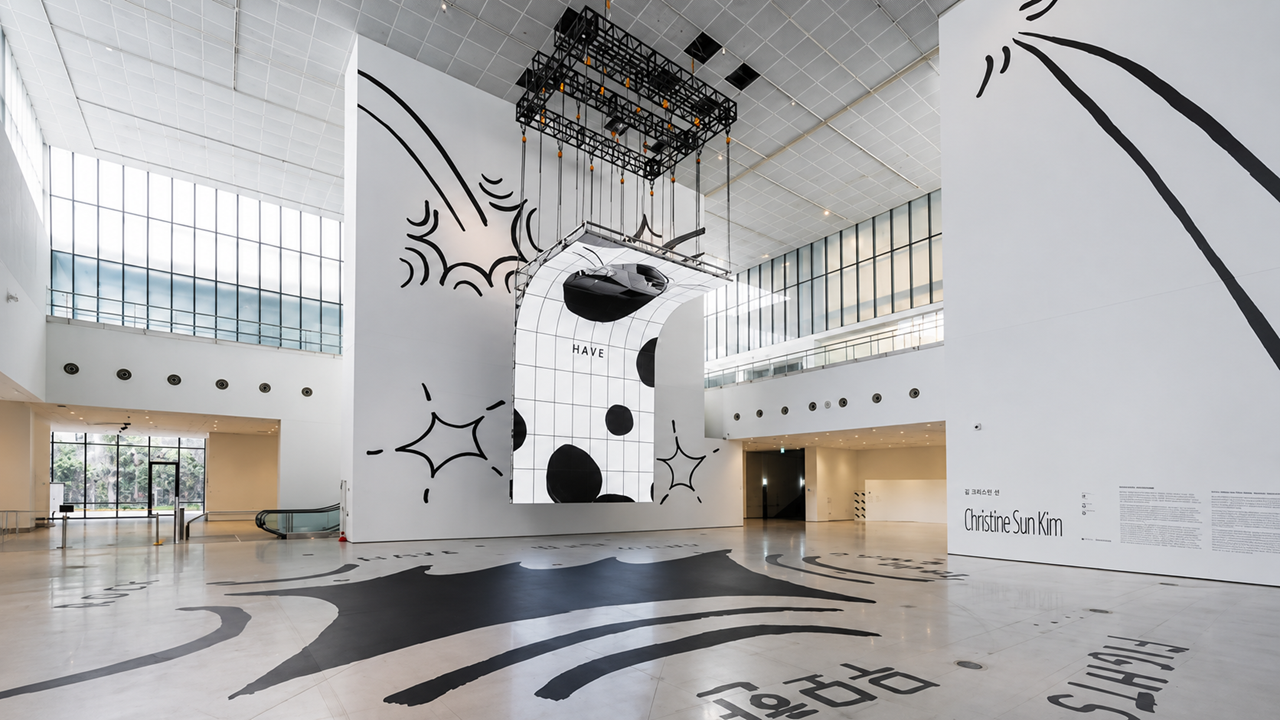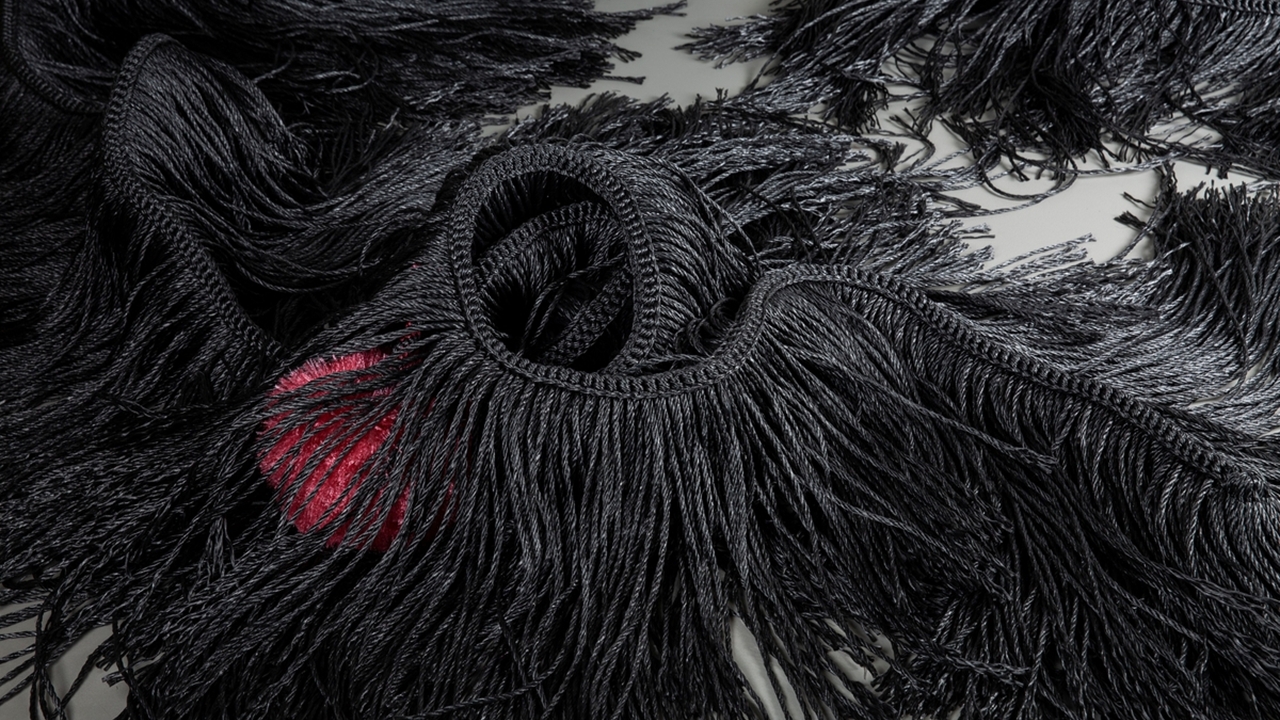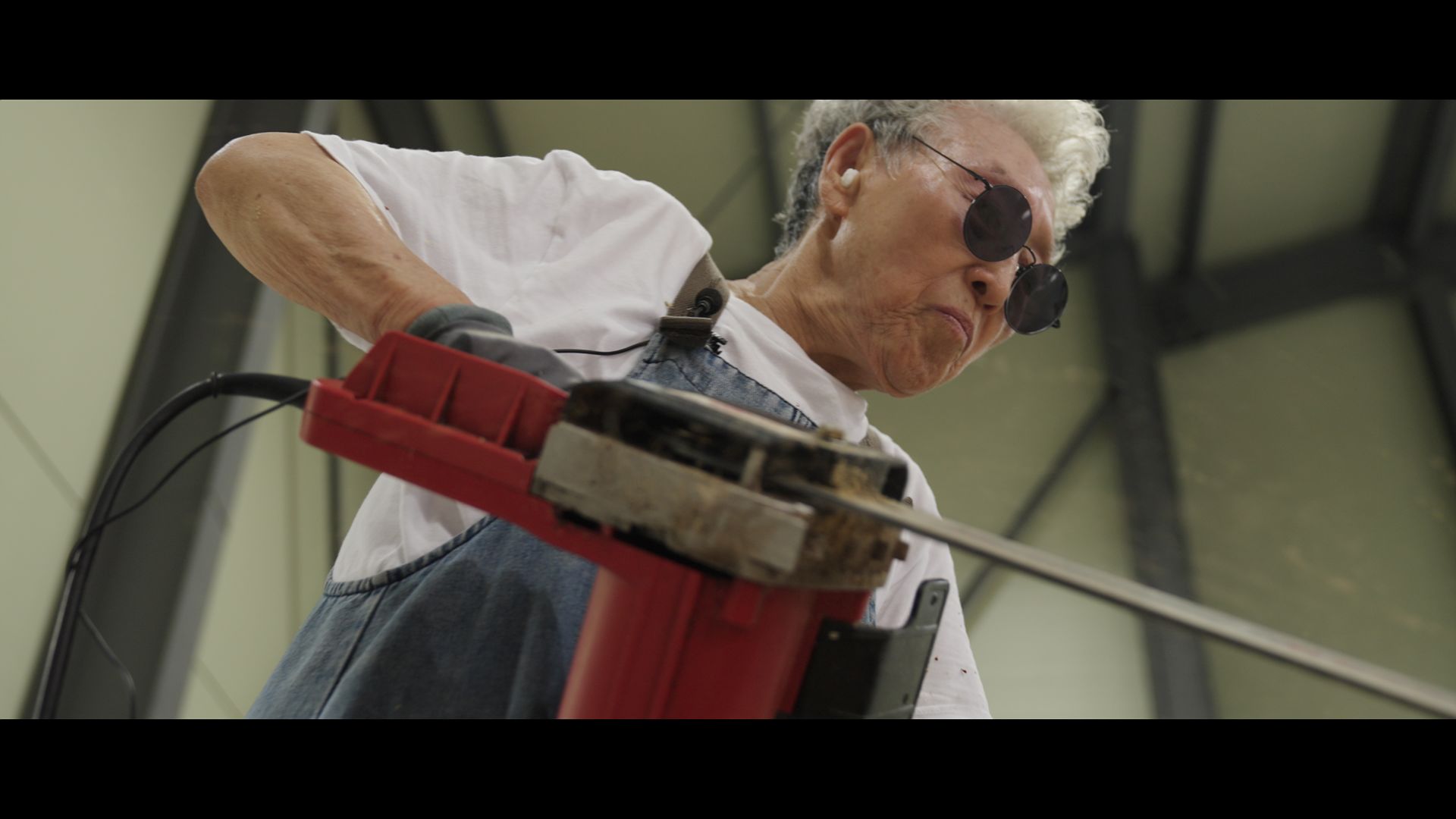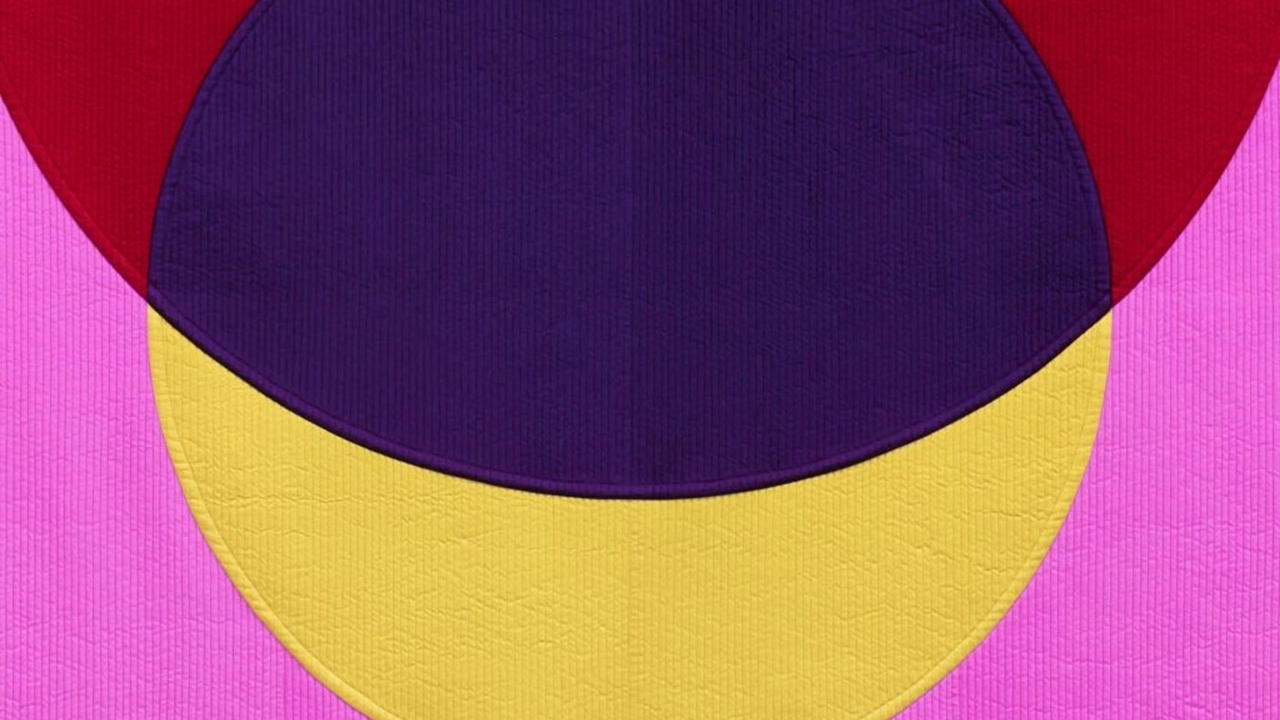
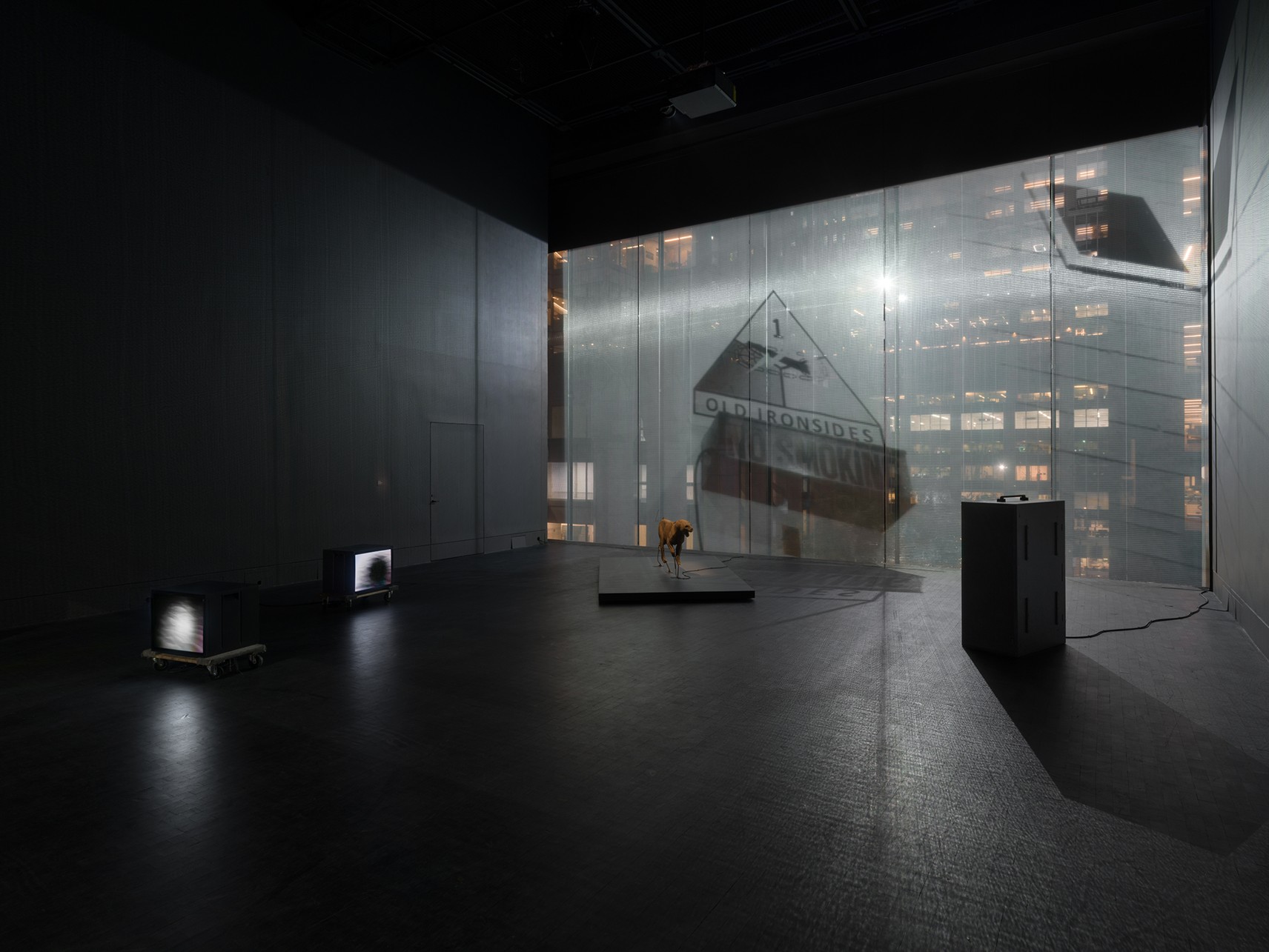
Installation view of 《Na Mira: NO SMOKING》, The Museum of Modern Art, New York, November 14, 2026–February 15, 2027. Photo by Jonathan Dorado © The Museum of Modern Art, New York.
The Museum of Modern Art (MoMA) in New York opened 《NO SMOKING》
by Korean American artist Na Mira (b. 1982) on November 14, 2026. On view
through February 15, 2027, in the fourth-floor Marie-Josée and Henry Kravis
Studio, this major new installation was commissioned by MoMA. Combining moving
images, sound, projection, and the architecture of the gallery, it investigates
how images are produced, transmitted, and perceived.
The project begins with the historical relationship
between imaging technologies and military systems. Mira uses footage recorded
in summer 2025 inside an empty cinema at the Fort Bliss Army base in Texas and
at the adjacent White Sands Missile Range. Situated in the US–Mexico border
region, these sites bring together military control, surveillance, and the
production of visual information. Rather than simply documenting them, Mira
draws on fûkeiron, a theory of landscape developed in Japan in the late 1960s,
to ask how landscapes can disclose the political structures underlying an
image.
In the gallery, black-and-white infrared footage plays
on analog CRT monitors. The monitors are arranged according to patterns of
frequency interference within MoMA’s building and adjusted to make that
interference visible on screen, causing continuous distortions and intermittent
flushes of color. What would ordinarily be corrected as a technical defect
becomes a central formal element of the work. The instability of the image
challenges the assumption that technological vision is objective and transparent.
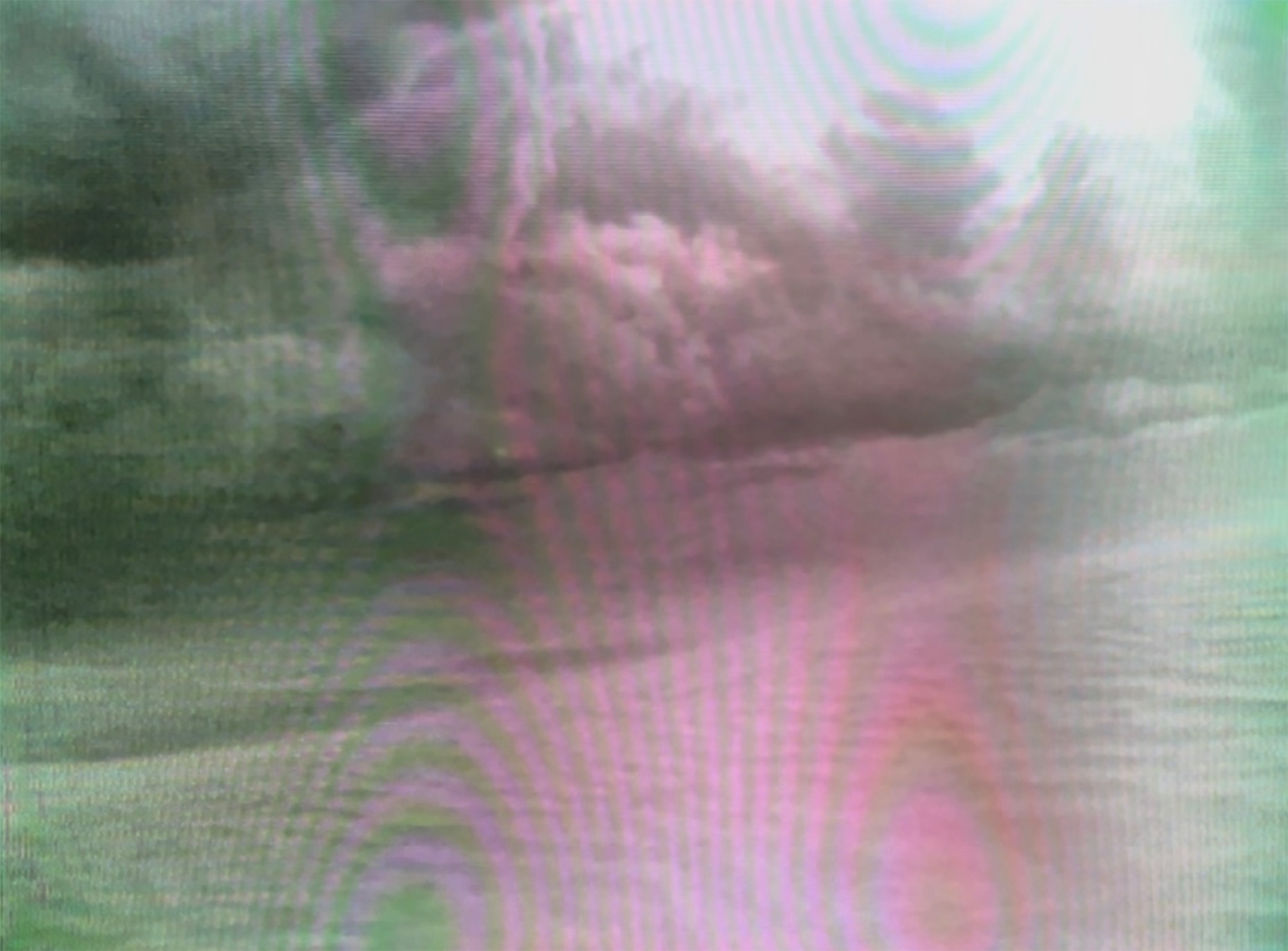
Na Mira, MANHATTAN MANHATTAN, 2026. Infrared high-definition video (black and white), frequency. Courtesy of the artist.
Projections that generate holographic effects
similarly resist a fixed viewing position. Using the Kravis Studio’s large
window facing 53rd Street and an interior plexiglass panel, the images overlap
or appear differently as viewers change position. The image becomes less a
self-contained picture than an event unfolding through bodily movement in
space. The architecture functions both as a support for the projected image and
as an apparatus shaping perception.
Sound extends this visual instability. Field
recordings, spatialized audio feedback, and music samples by artist and
composer Chuquimamani-Condori circulate through the gallery. A spiral
arrangement of overhead speakers uses delay and low-frequency vibrations to
make the space physically perceptible. Installation design is by Alex Palma;
sound design is by Jake Sokolov-Gonzalez with Emma Houton.
The project also connects to Nam June Paik’s media
experiments. MoMA identifies Paik’s conception of broadcast television as a
potentially two-way signal for communicating with spirits as an important
reference. Linking an interest in Korean shamanism and animistic ritual to
media history, Mira treats signals both as vehicles for information and as
material phenomena that mediate unseen relationships. Taking up Paik’s critique
of the relationship between military technology and broadcasting, she asks how
audiovisual technologies organize political and sensory experience.
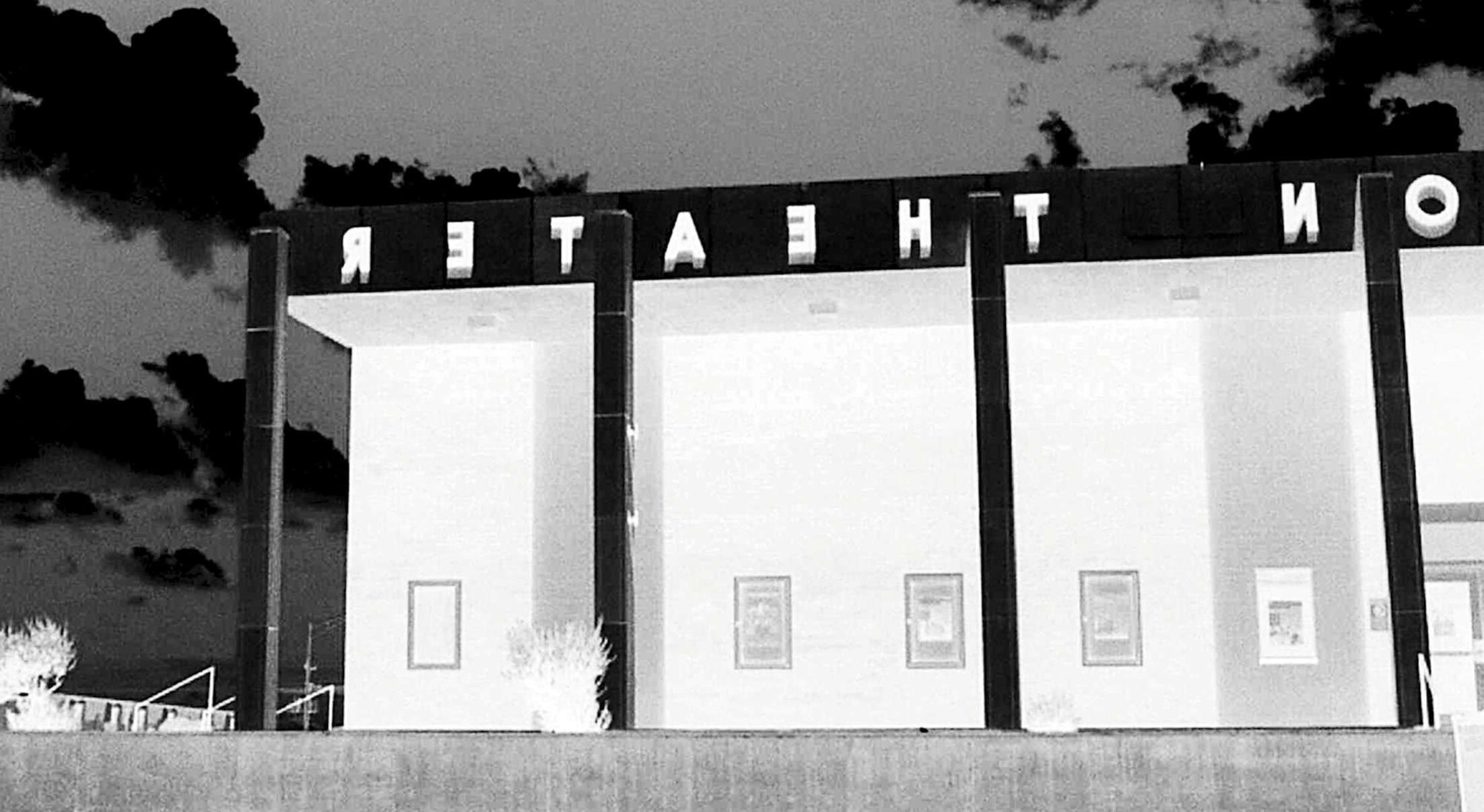
Na Mira, BLISS BLISS, 2026. Two-channel infrared high-definition video (black and white), glass, plexiglass, sun. Courtesy of the artist.
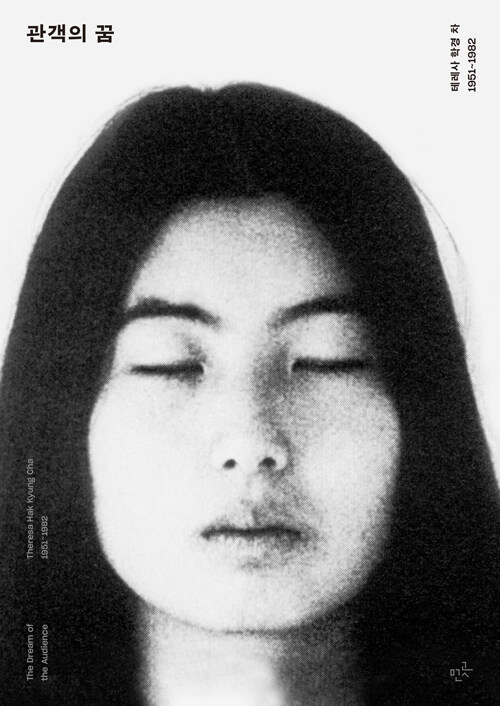
Mira’s practice has also engaged with Theresa Hak
Kyung Cha’s experiments with language and performance and with historical
memory surrounding the Gwangju Uprising. MoMA’s account emphasizes that this
research extends beyond historical representation to explore how language,
conceptual scores, and trance states can prompt critical reflection. The signal
interference and image distortion in 《NO SMOKING》 can also be read as an extension of this practice.
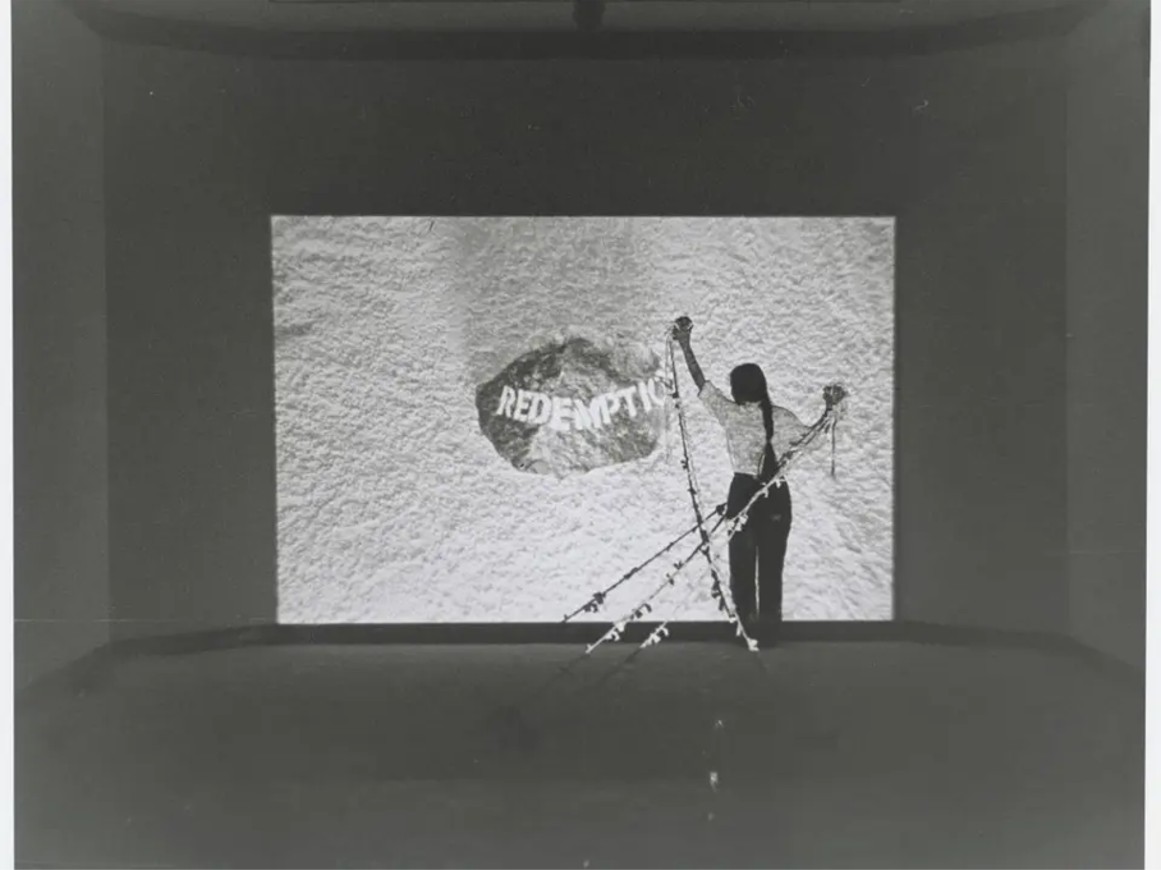
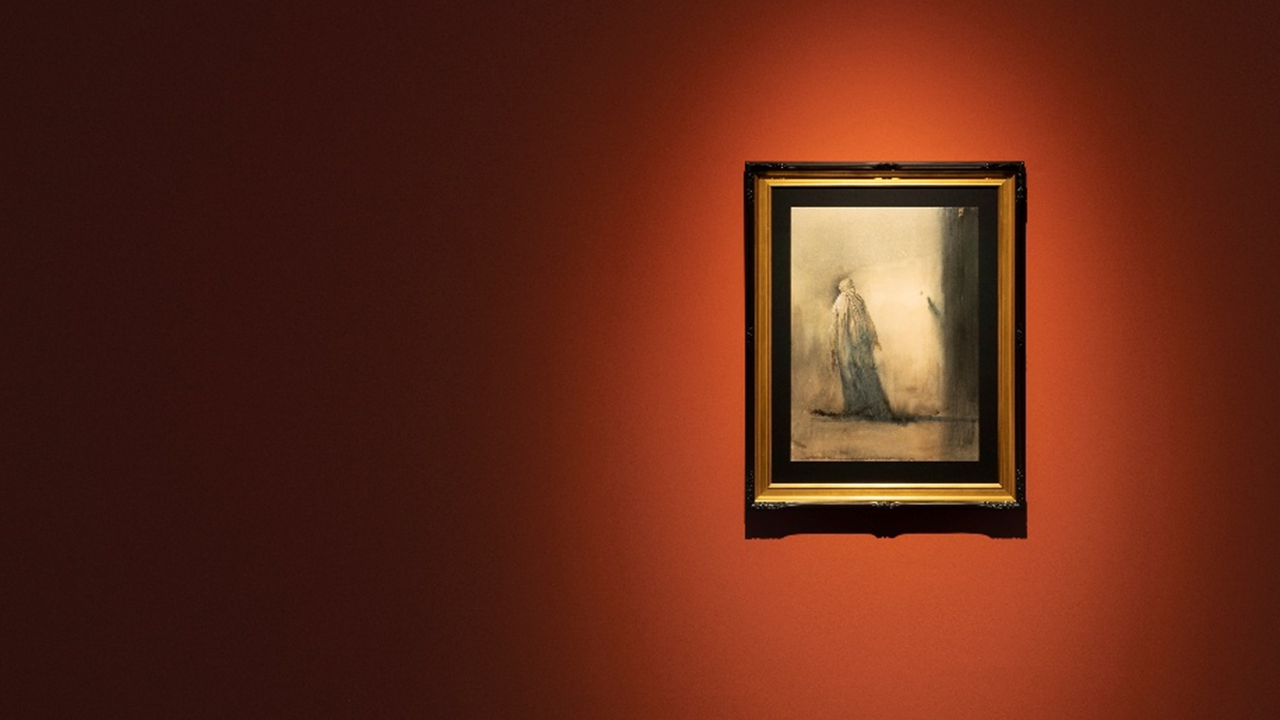
(Reference work) Theresa Hak Kyung Cha, Other Things Seen, Other Things Heard, 1978. Gift of the Theresa Hak Kyung Cha Memorial Foundation. / © BAMPFA
The central question of
the exhibition is not only what an image shows, but also which technical and
institutional conditions determine what becomes visible. Mira disrupts the
clarity and reliability of images on which surveillance, propaganda, and soft power
often depend. Through image distortion and signal interference, 《NO
SMOKING》 asks how technologies and institutions shape
what we see.
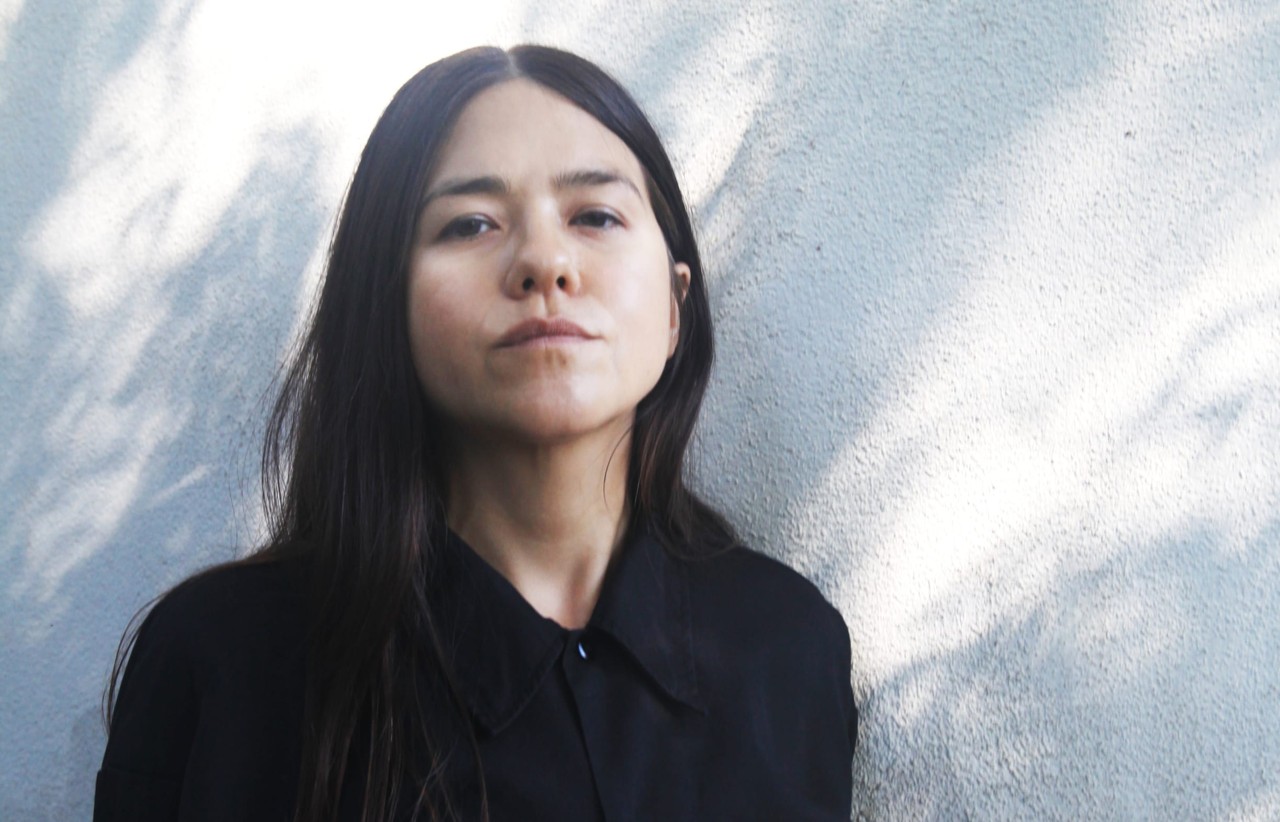
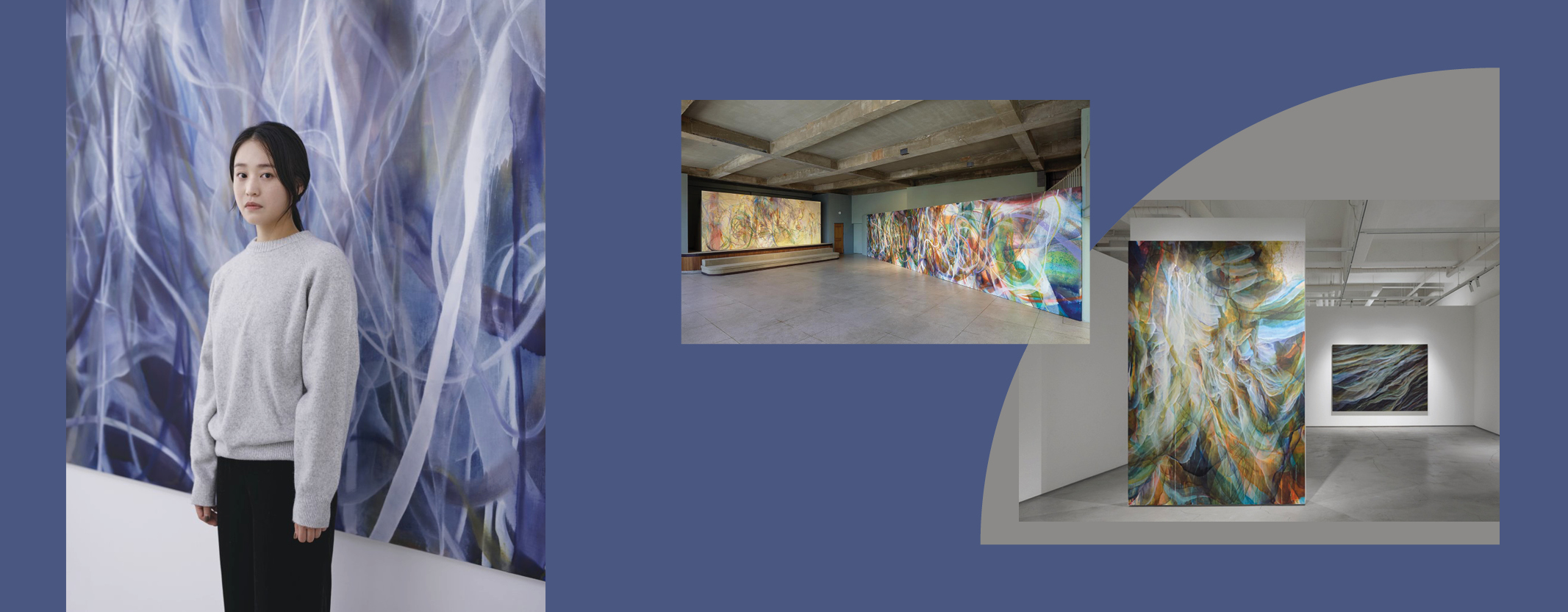
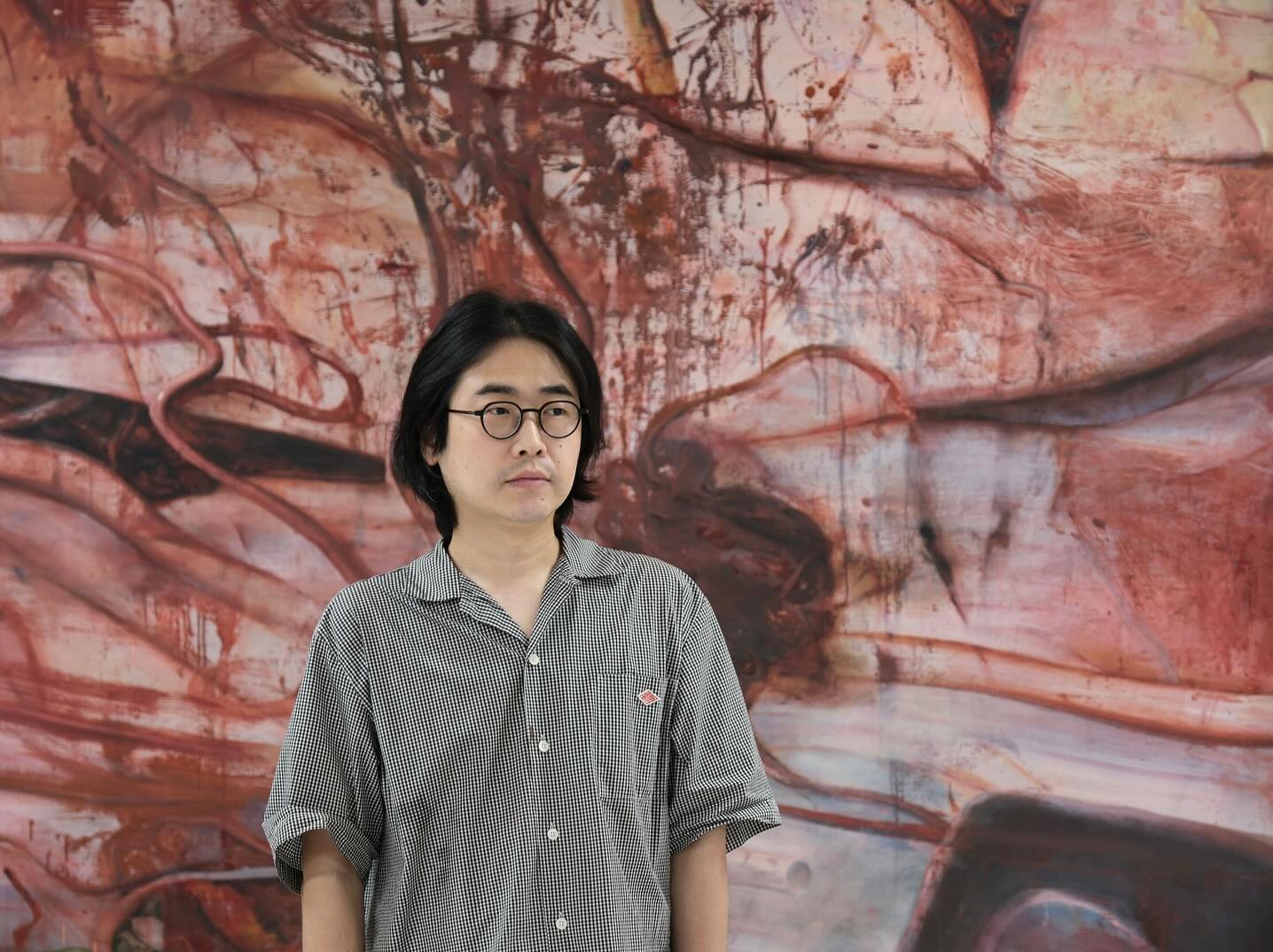
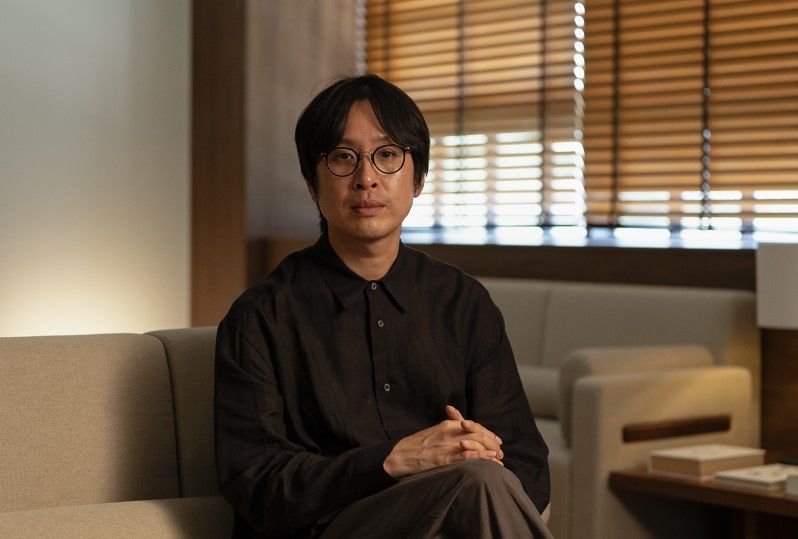
Portrait of Na Mira. Courtesy of the artist and Park View / Paul Soto.
About the artist
Na Mira (b. 1982) is a Korean American artist working
with moving images, sound, and installation to explore language, memory, and
systems of image production. Drawing on Korean shamanism, animism, and
experimental film, her practice addresses the boundaries of body and state. Her
work has appeared in the Whitney and Gwangju biennials. Her collection of
writing, The Book of Na, was published in 2022.
About the venue
The Marie-Josée and Henry Kravis Studio at The Museum
of Modern Art sits at the center of the Museum’s fourth-floor collection
galleries. Dedicated to live and experimental art, it presents performance,
sound, dance, and moving images through commissions, installations,
residencies, and workshops. Its architecture and the experience of moving
through it are integral to Mira’s project.
Exhibition information
Title: 《Na Mira: NO SMOKING》
Artist: Na Mira
Dates: November 14, 2026–February 15, 2027
Venue: The Marie-Josée and Henry Kravis Studio, Floor
4, MoMA
Address: 11 West 53 Street, New York, NY 10019, USA
Organized by: Sophie Cavoulacos with Abby Hermosilla
Commissioned by: The Museum of Modern Art, New York
Website: https://www.moma.org/calendar/exhibitions/5869
References
MoMA | Na Mira: NO
SMOKING
MoMA Press Office
| Exhibition overview and official images
MoMA
| Press release, September 30, 2026
MoMA | The Marie-Josée and
Henry Kravis Studio
Na Mira | Artist website