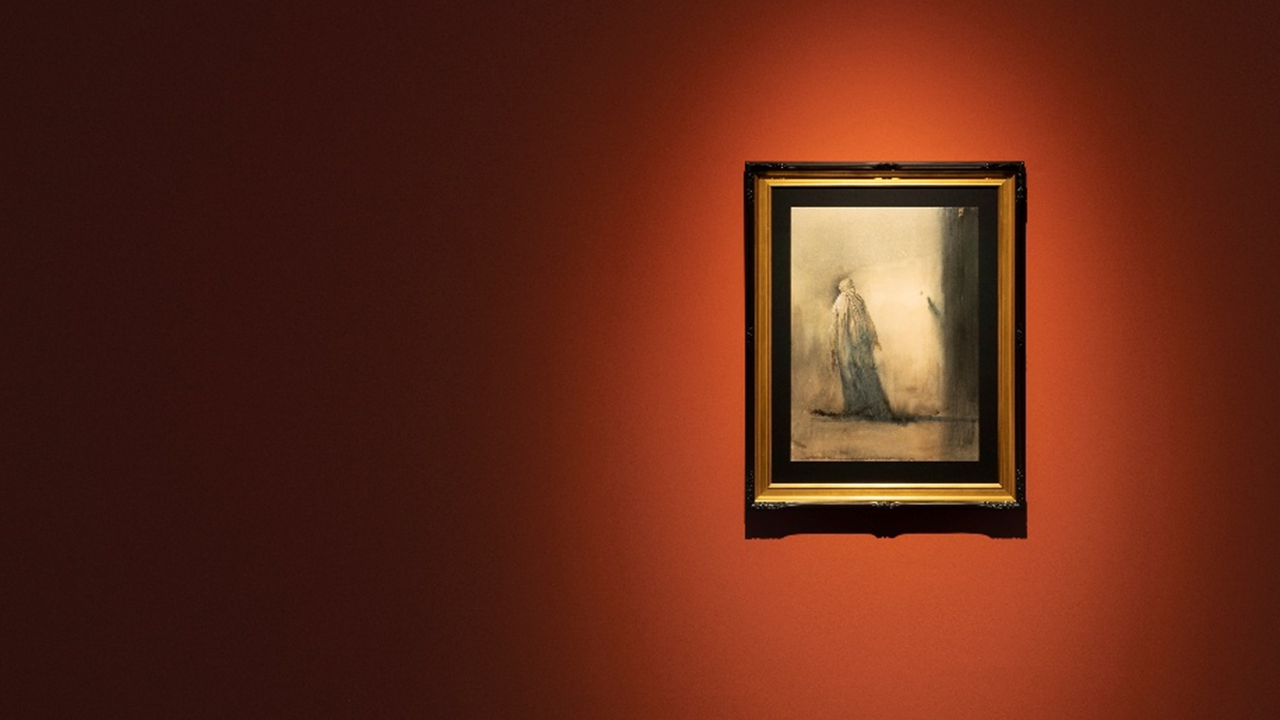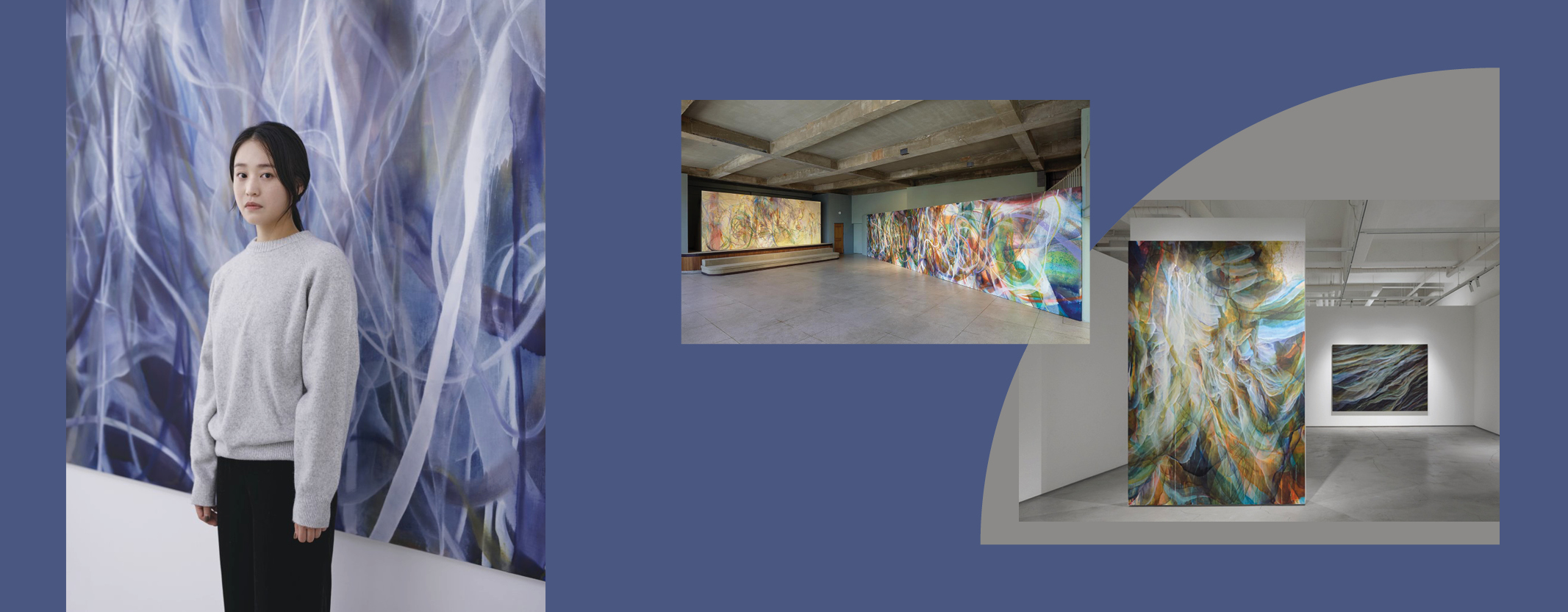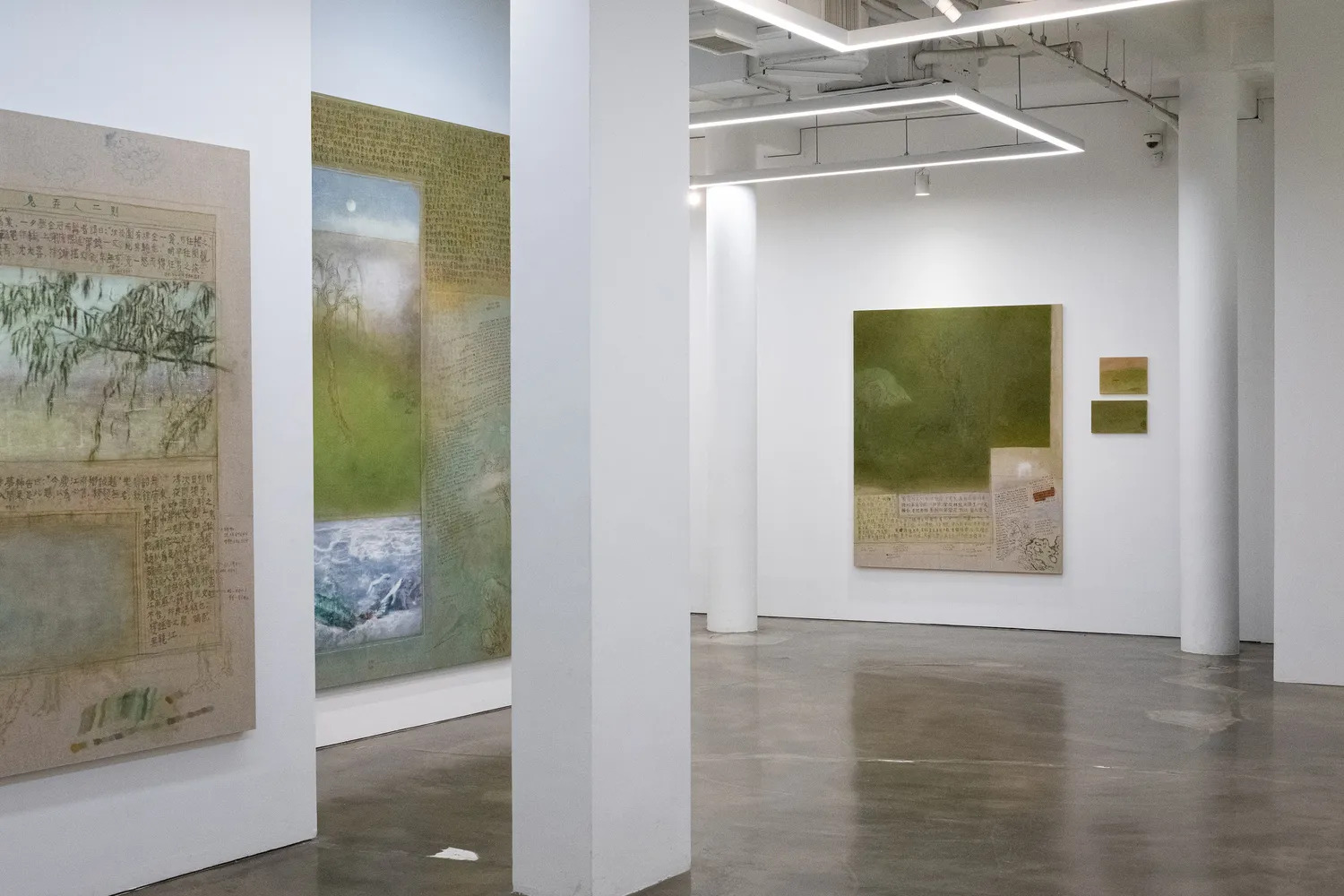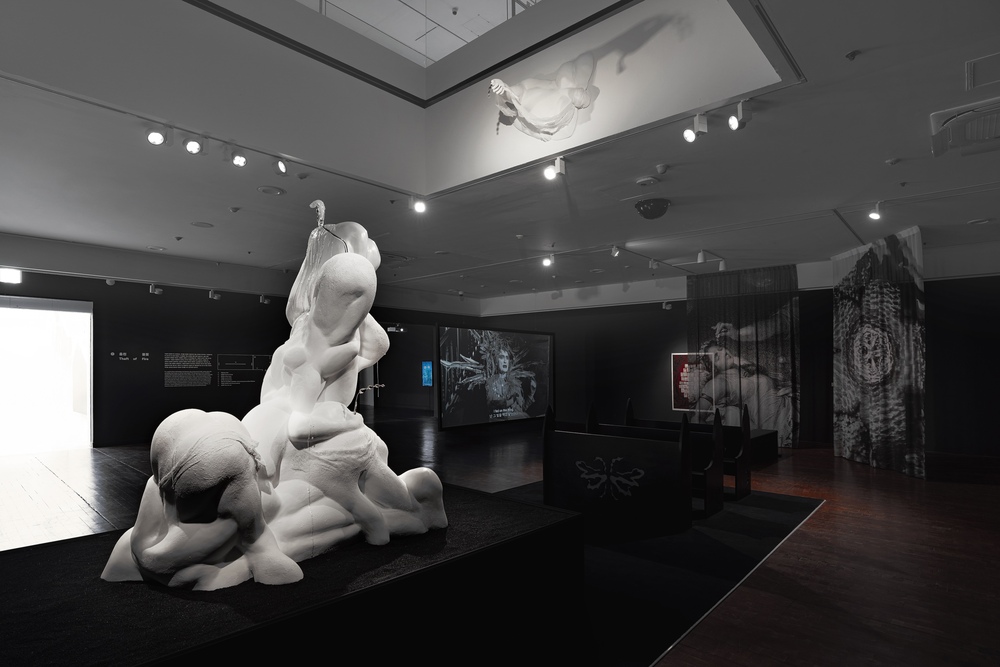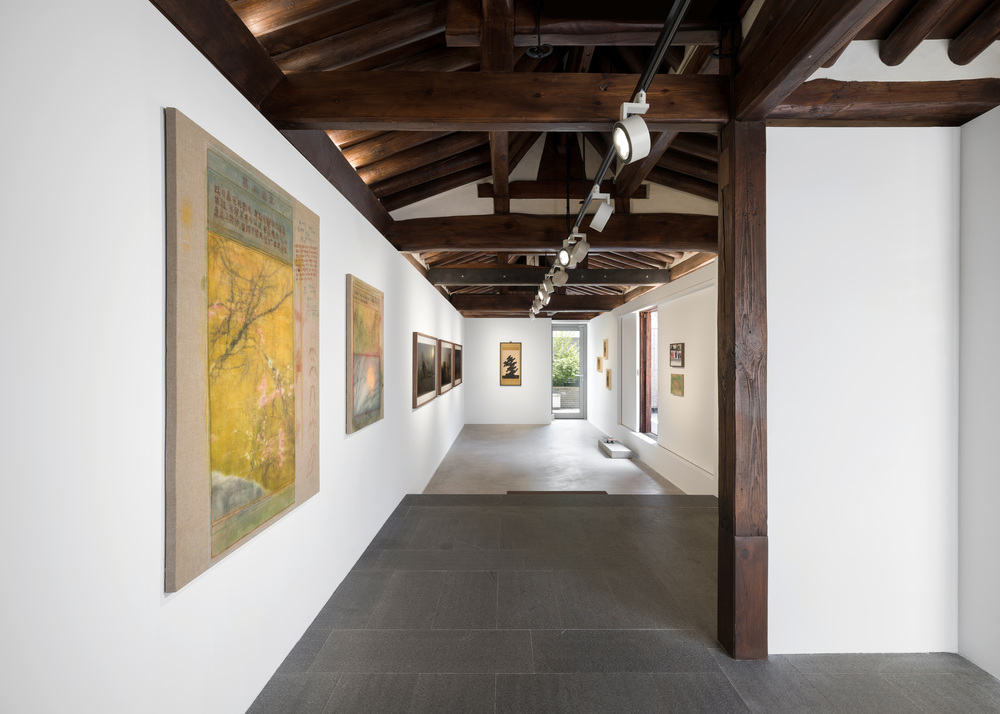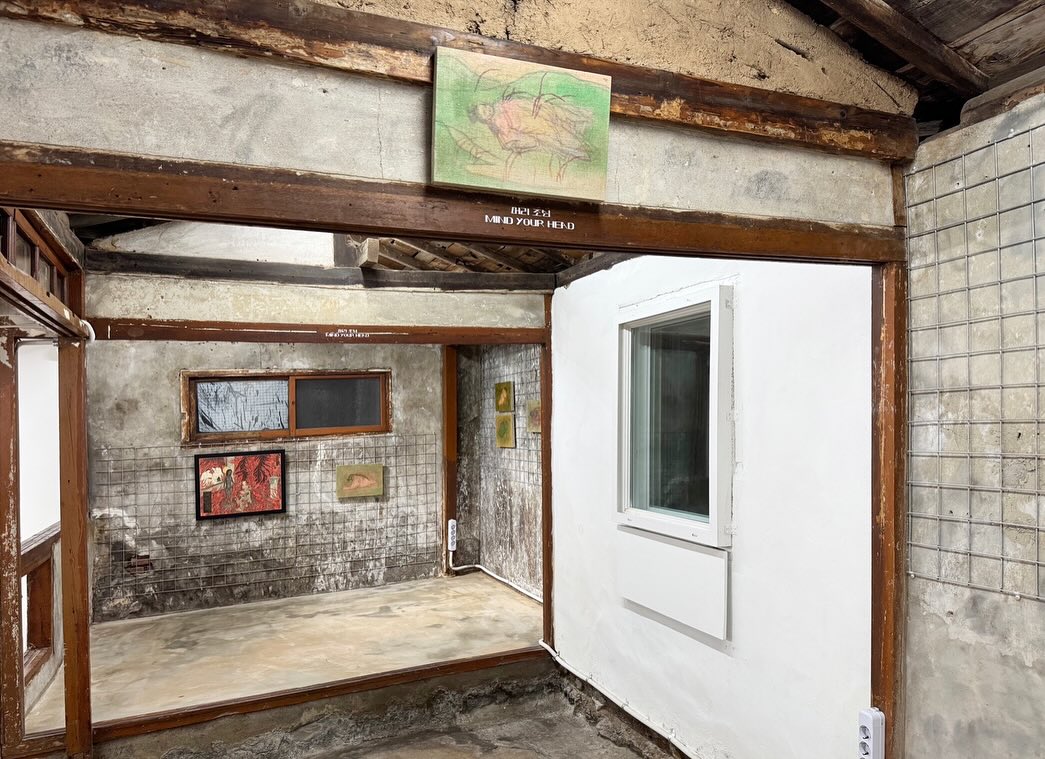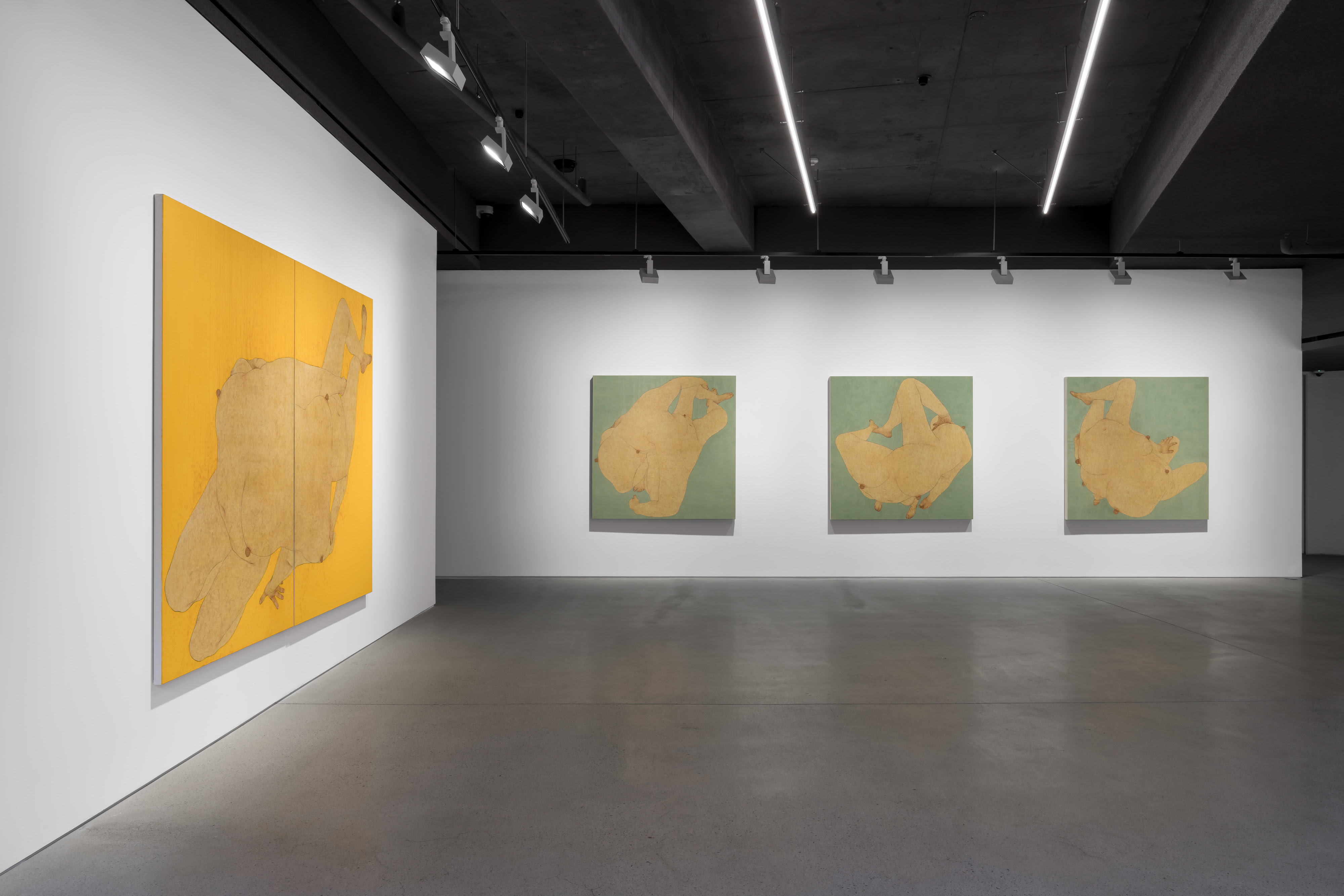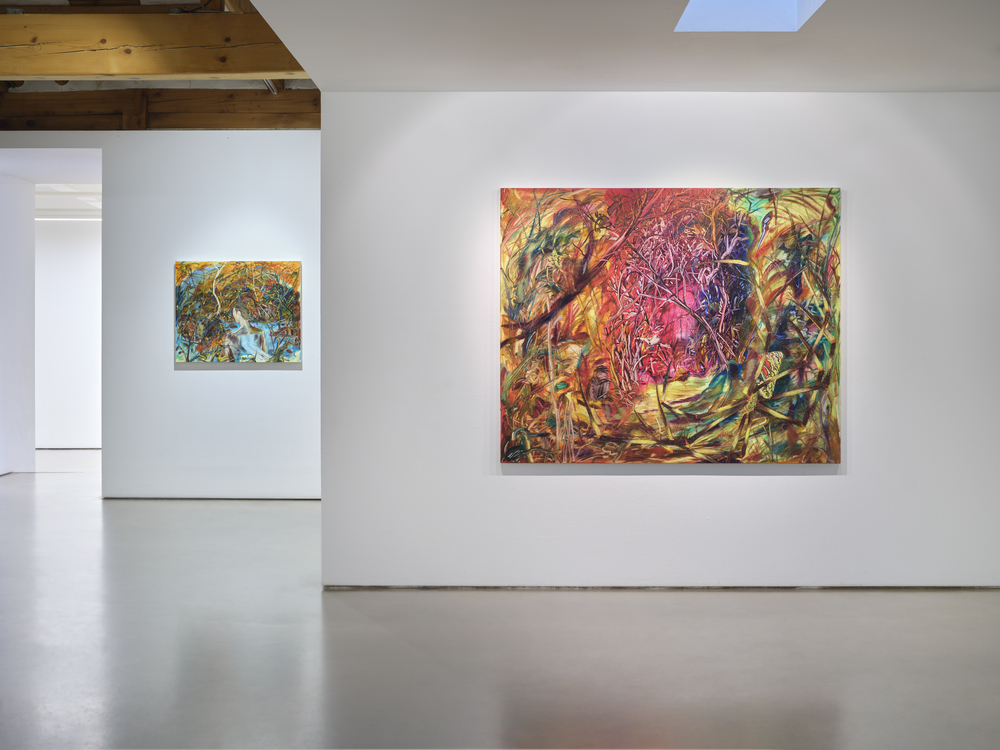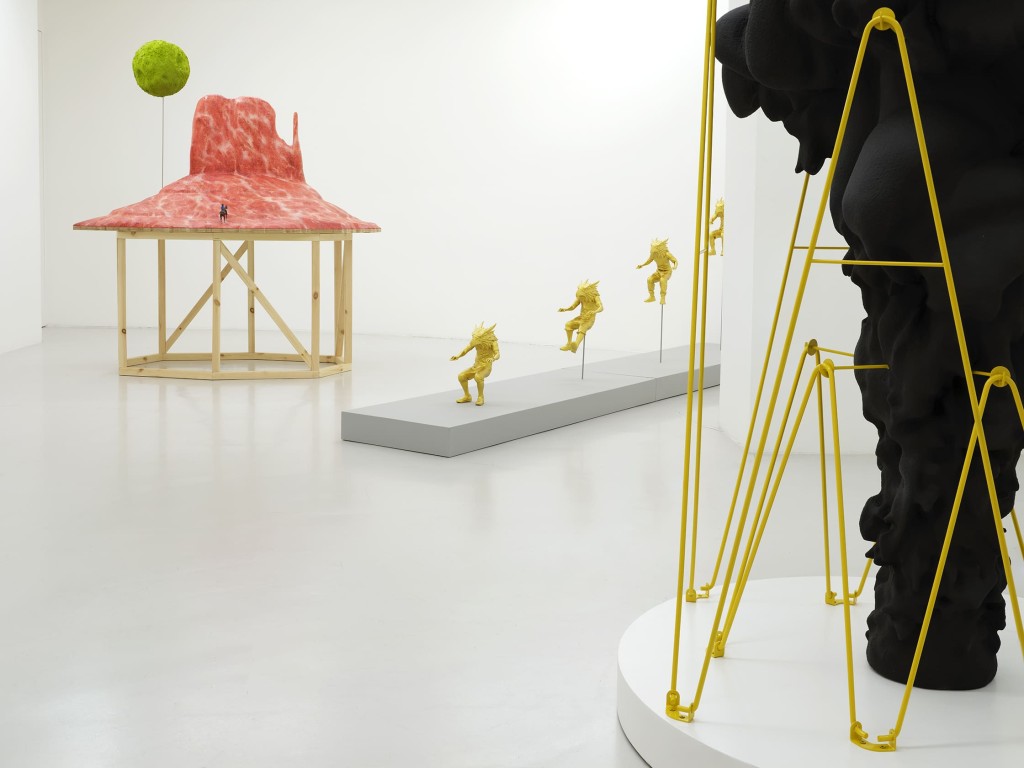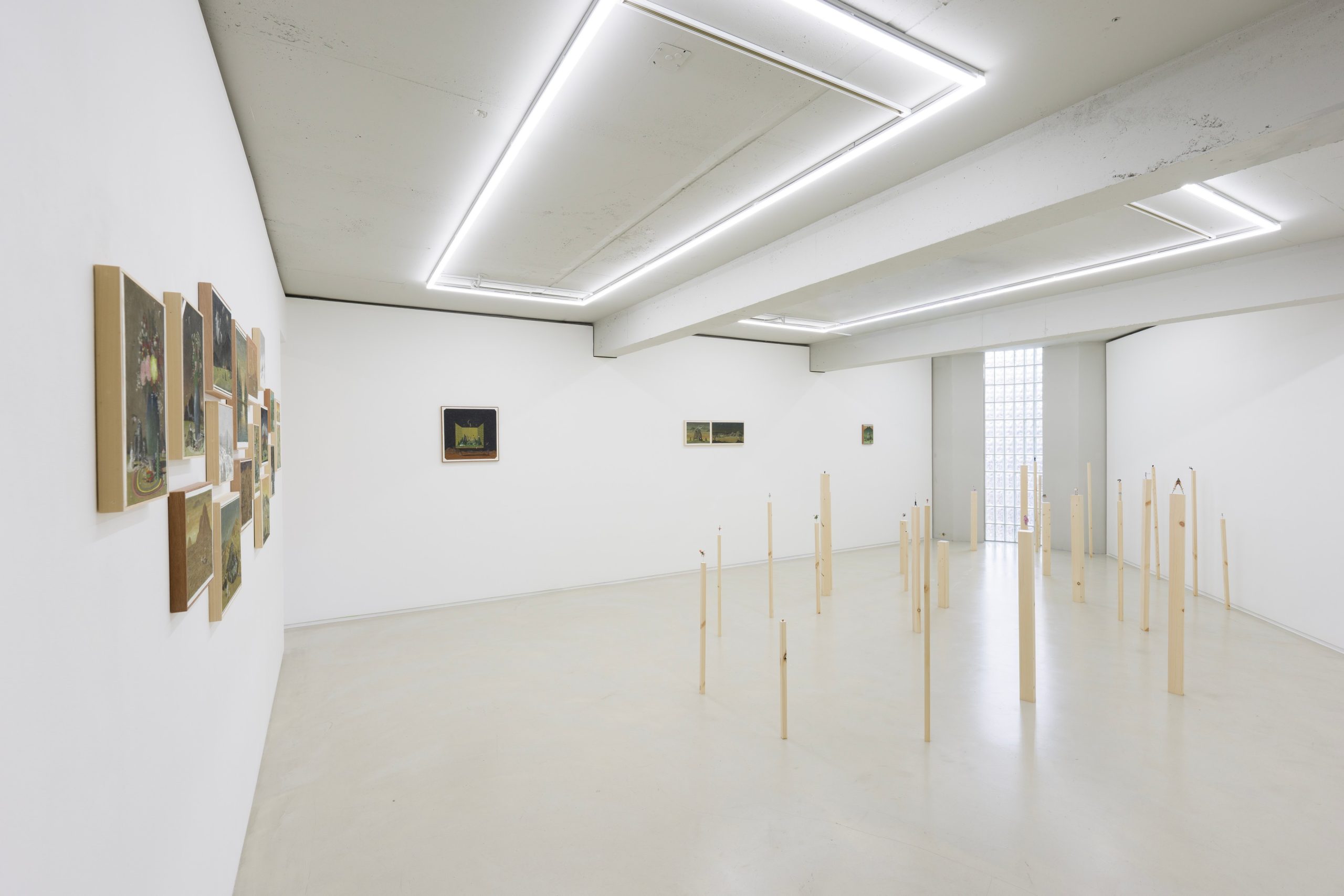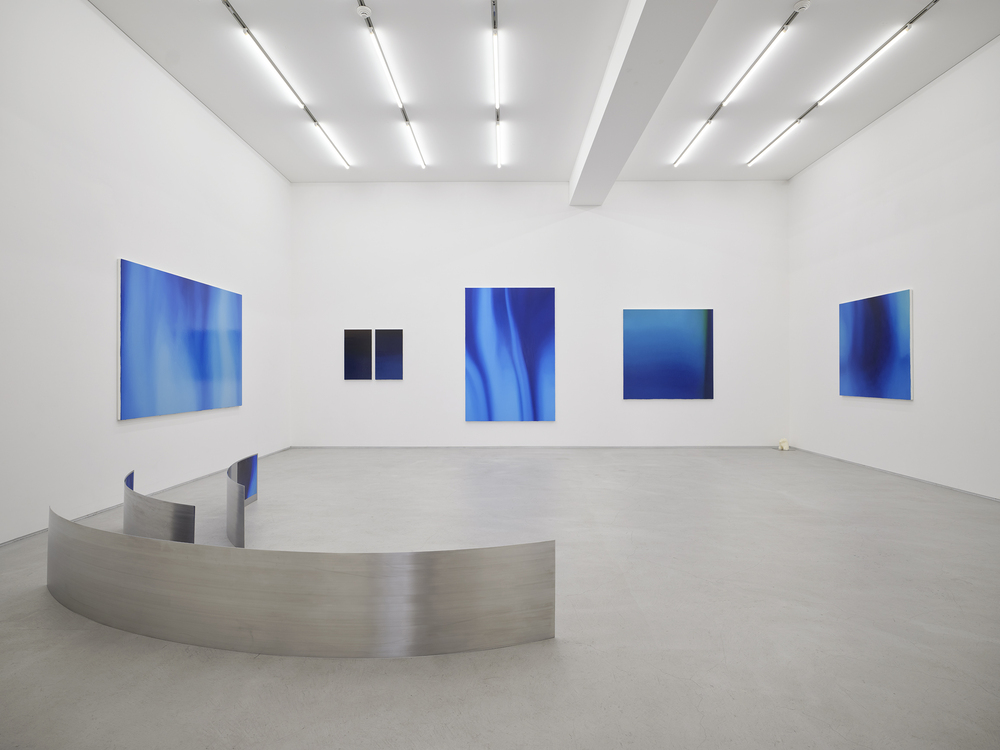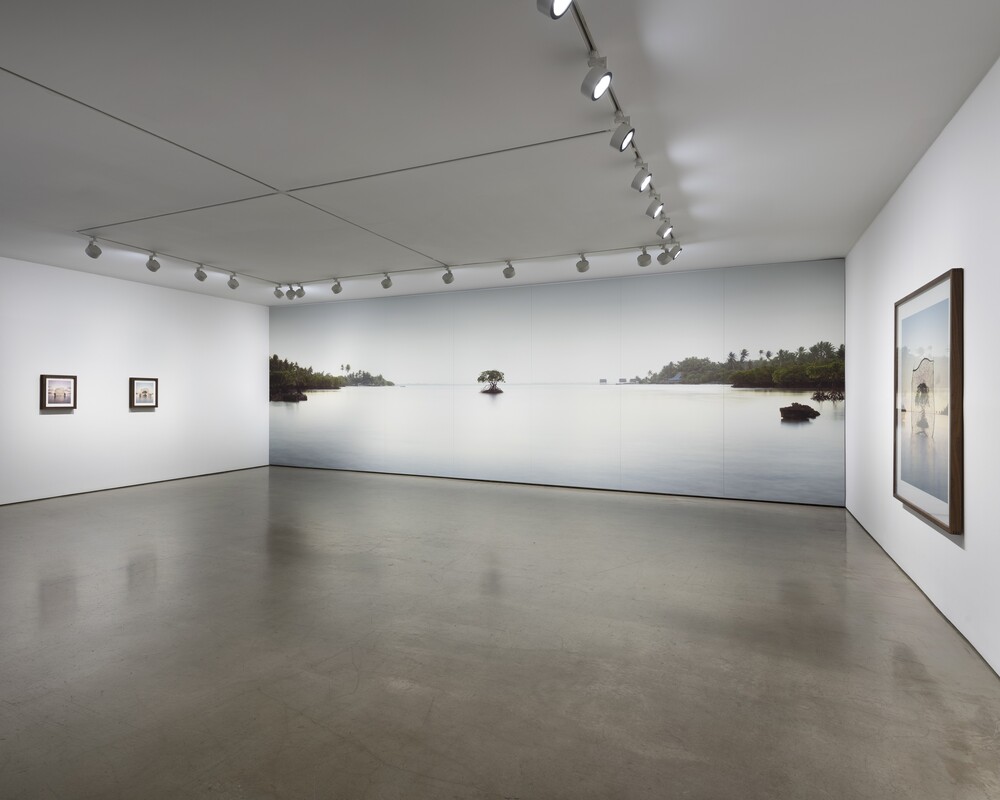

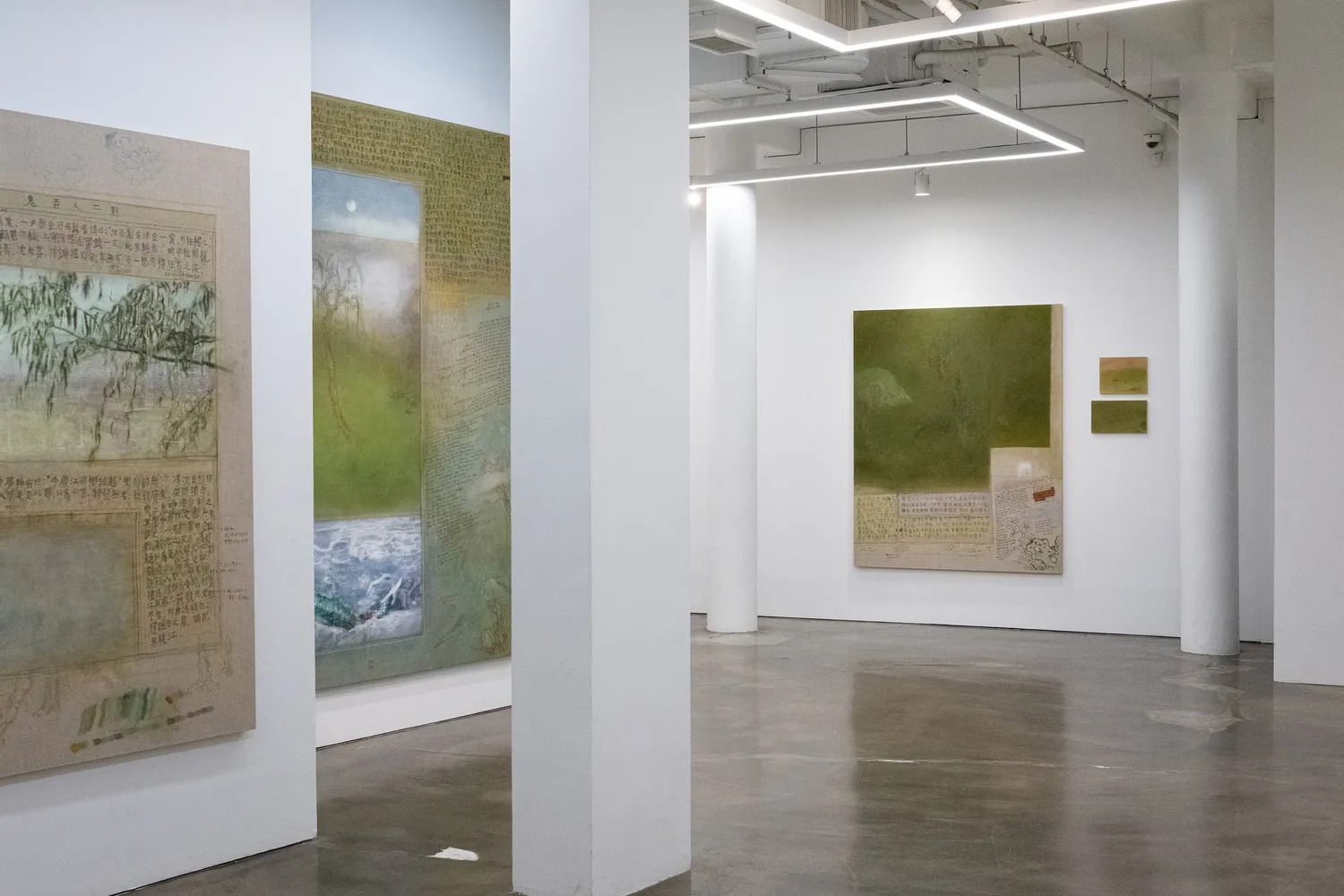
Installation view of 《Mustard Seed Garden Grave》 © Gallery Chosun
Gallery Chosun presents 《Mustard Seed Garden Grave》, a solo exhibition by Choe Sooryeon (b. 1986),
on view through December 9.
Choe’s recent practice stems from the study of Qing dynasty
zhiguai (anomaly) fiction and traditional painting treatises from East Asia,
which involves transcribing and translating these texts into Korean.
The notes and annotations accumulated through this process reveal
the possibility of becoming artworks in their own right. The original Chinese
texts are written neatly in black ink, while their phonetic readings and Korean
translations are added in various colors.
Crooked lines, corrected characters, subsequently added missing
words, and passages marked or highlighted in fluorescent colors all remain
visible on the page. At times, Choe places existing translations alongside her
own literal renderings; elsewhere, she adds personal remarks on historical
contexts and literary characters.
Through this repeated process of transcription and translation,
unfamiliar and familiar languages, as well as muted and vivid colors,
intermingle on the same surface.
From the perspective of painting, the act of learning and
interpreting language gives rise to unexpected colors and forms, which come
together to create a natural composition that unfolds ahead of the artist's
conscious intention.
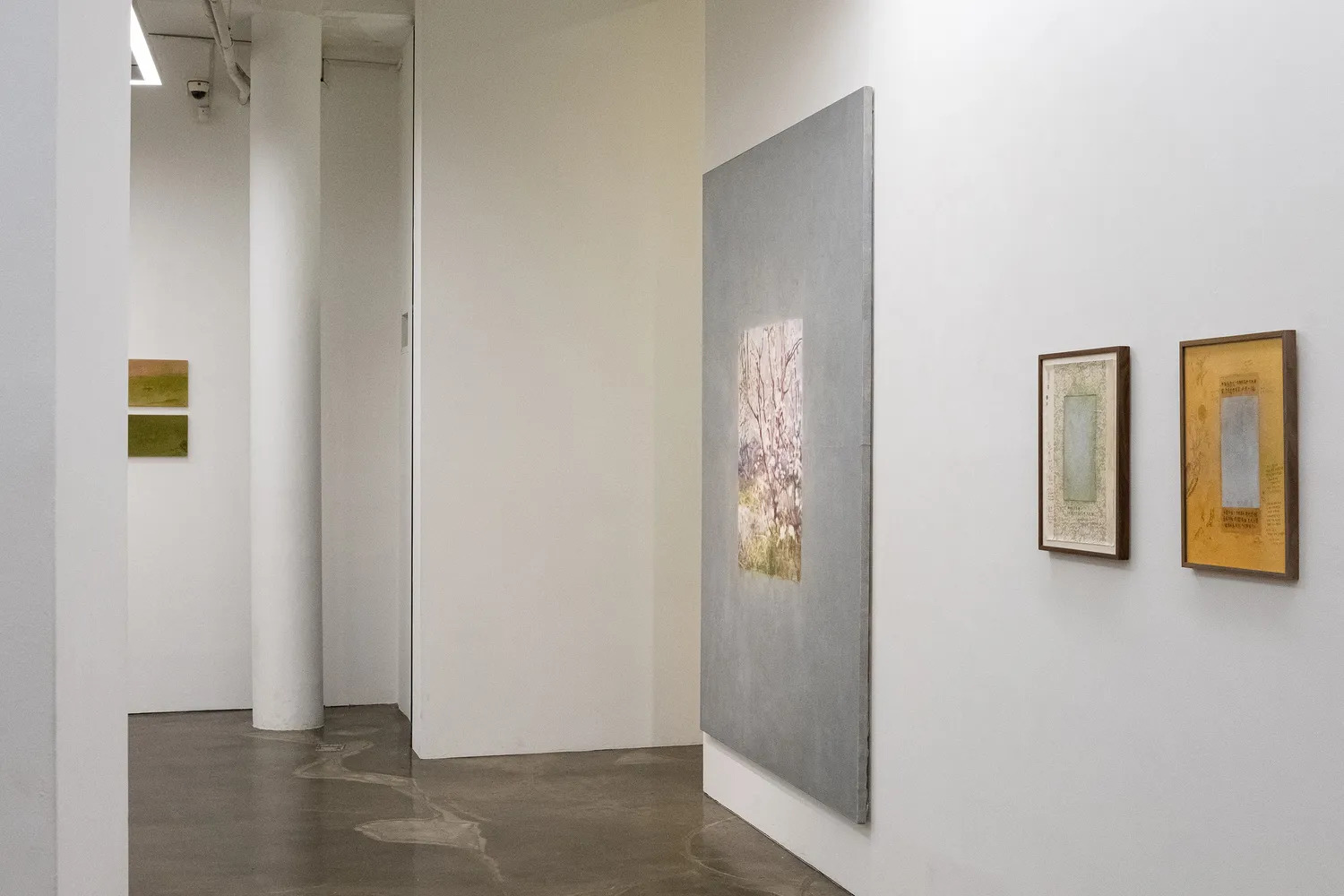
Installation view of 《Mustard Seed Garden Grave》 © Gallery Chosun
The images in Choe’s works are also drawn from traditional East
Asian painting, including The Mustard Seed Garden Manual of Painting
(Jieziyuan Huazhuan).
The artist begins with the speculation that some of the small
mounds depicted in the garden of The Mustard Seed Garden Manual of
Painting might actually be graves, imagining that something
"heretical and uncanny" lies buried beneath a garden where profound
discussions on painting once took place.
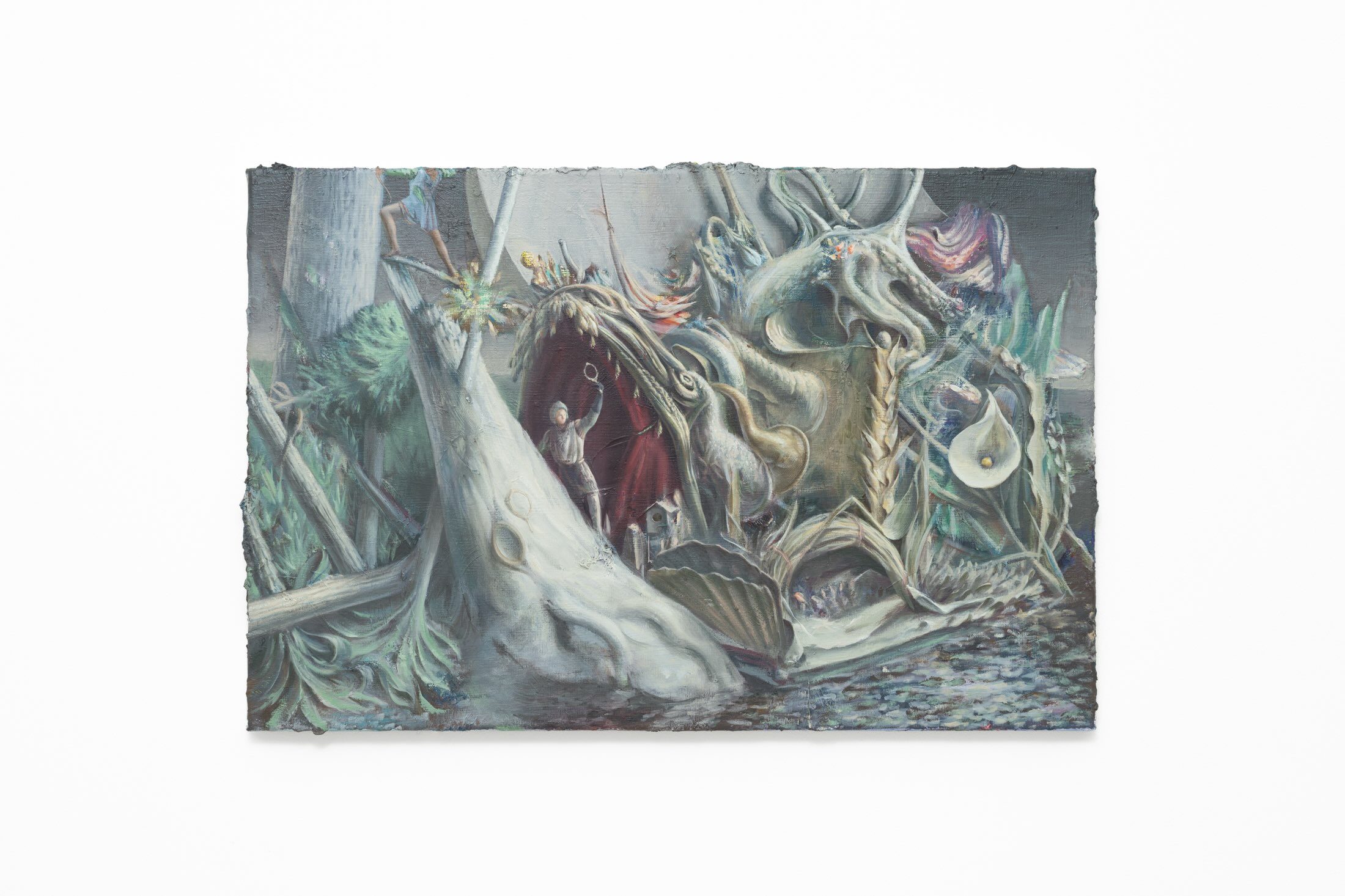
Centered on stories that emerge from these imagined graves, text
and images are presented together. Trees, rocks, rippling water, hills, and
houses drawn from traditional Korean, Chinese, and Japanese paintings come
together in distinct styles.
Rather than illustrating any particular narrative, they form
unassuming, understated landscapes capable of evoking a variety of stories. The
images are rendered at times with a practiced hand, but more often with an
awkward, unrefined touch, forming distinctive compositions in conjunction with
the text.
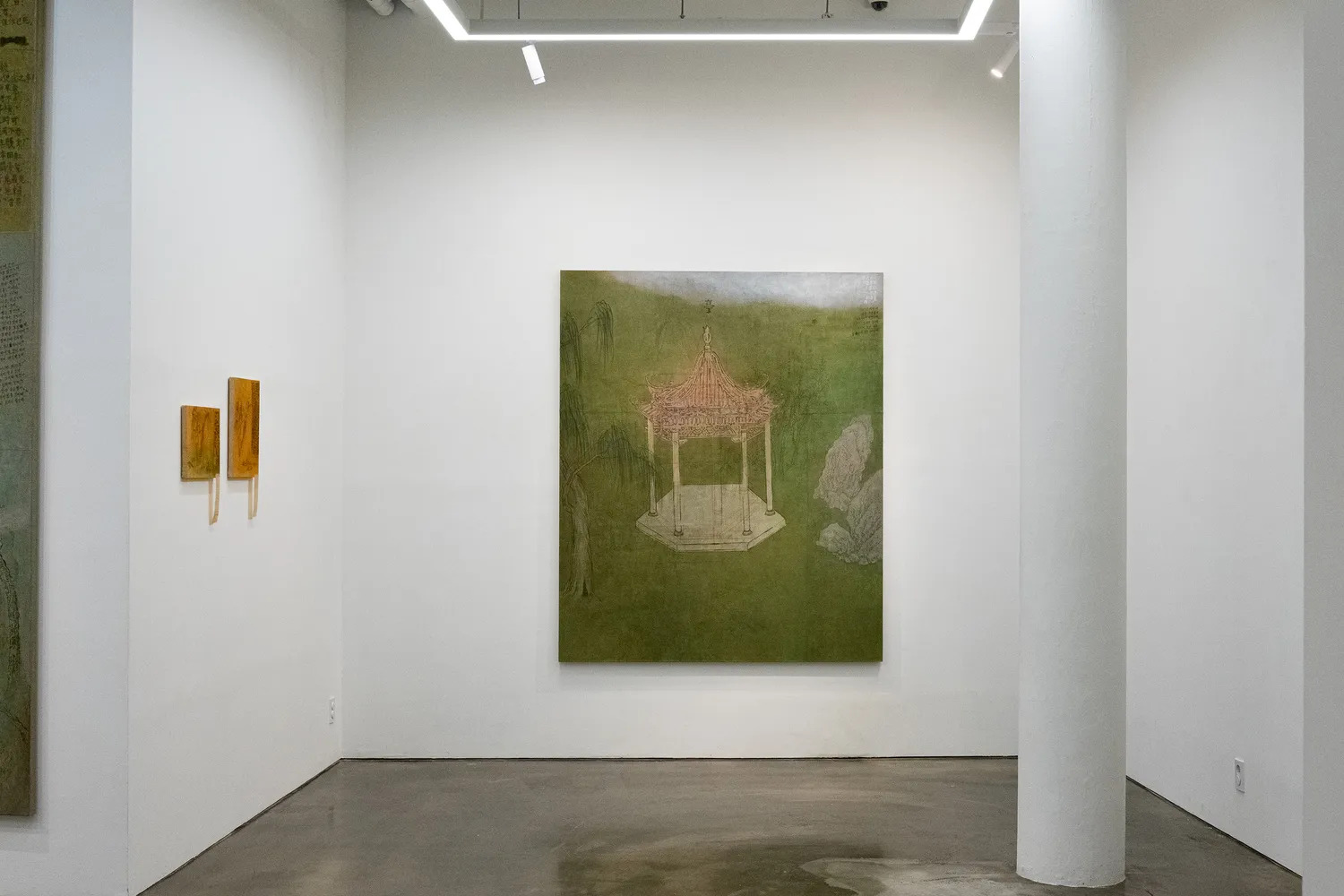
Installation view of 《Mustard Seed Garden Grave》 © Gallery Chosun
The exhibition unfolds across two venues, Gallery Chosun and WWNN,
with a focus on painting and drawing. Gallery Chosun presents large-scale
paintings that draw on the compositional structures of Persian miniatures,
while WWNN features drawings that experiment with a range of formats, including
comic-style compositions, doodles, the reverse sides of paper, and attached
notes.
Through these distinct forms, the works reveal
different aspects of the artist’s thinking and visual explorations, which
emerge from the processes of transcription and translation and from images
found in traditional painting.