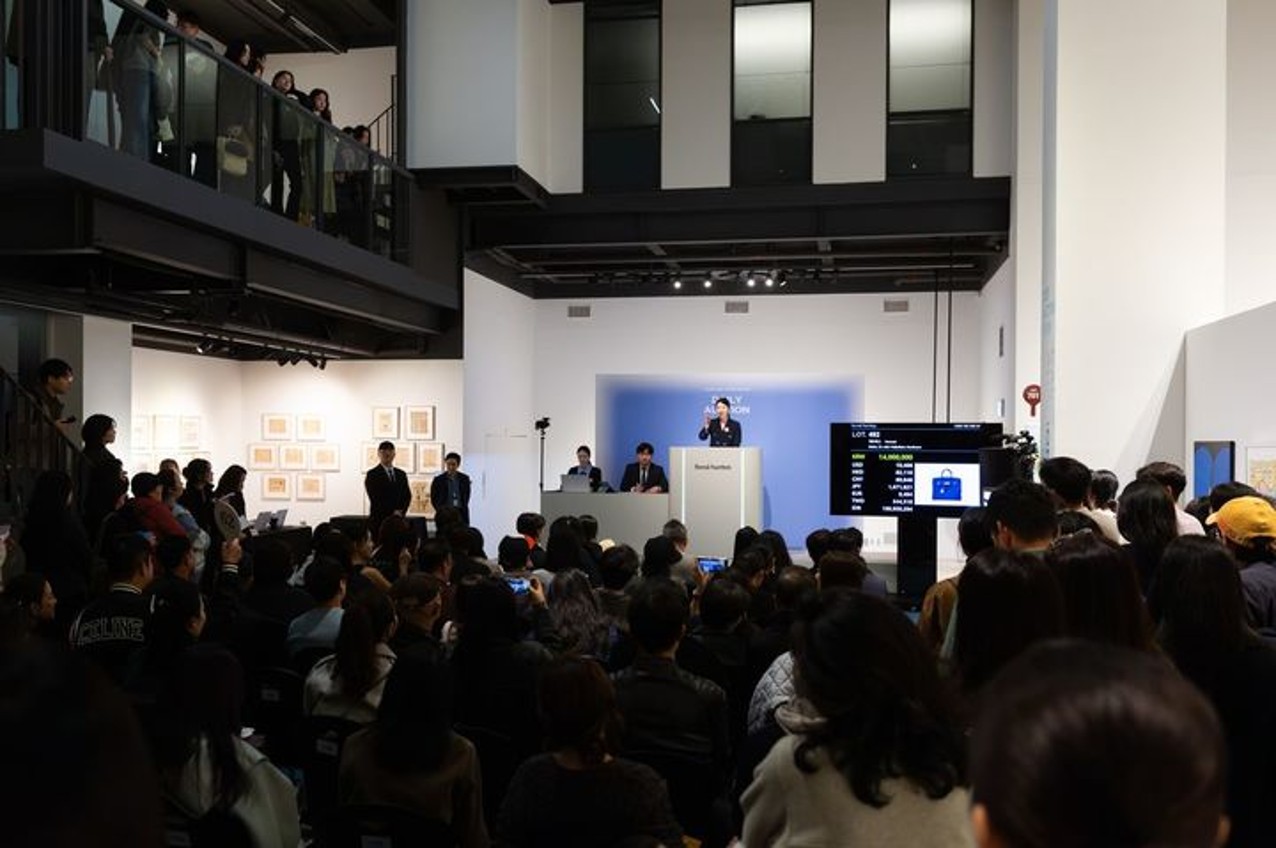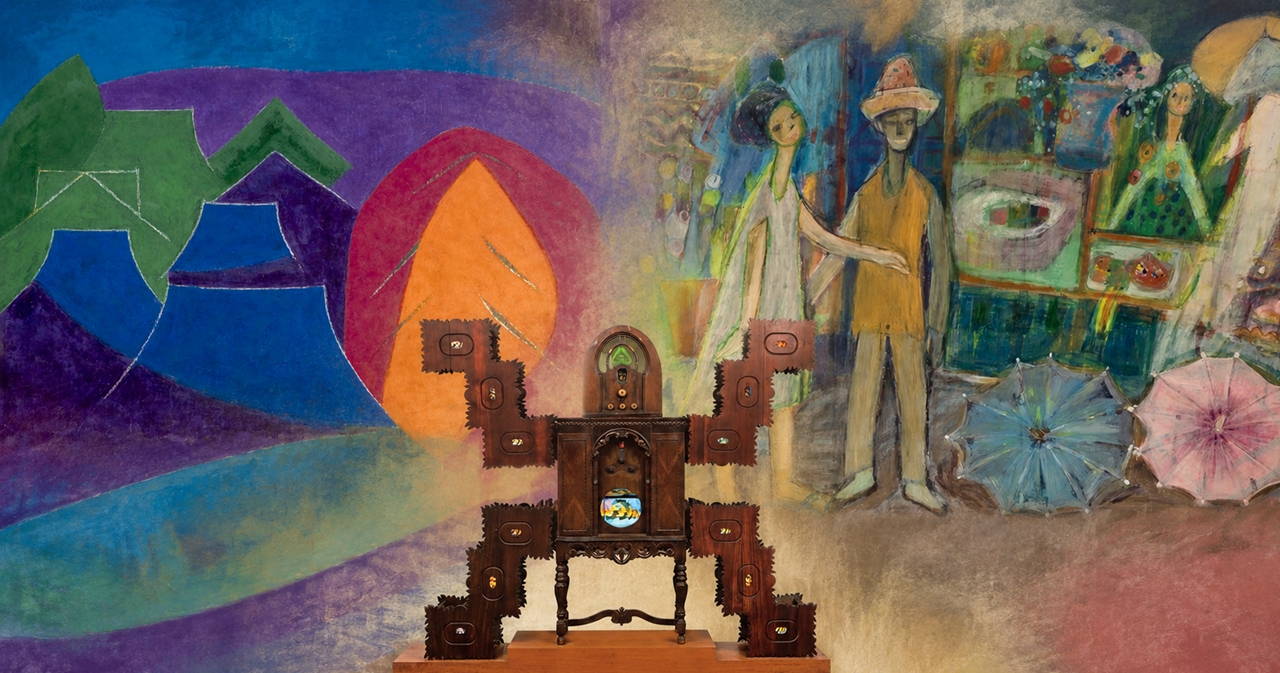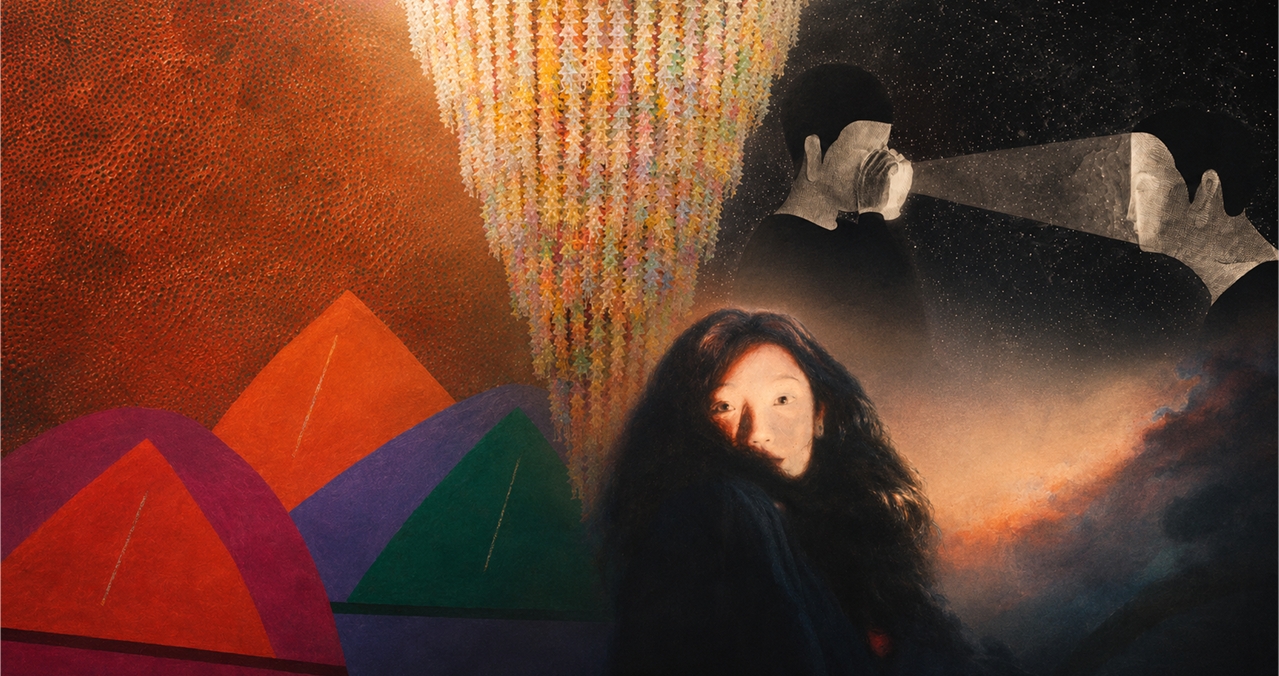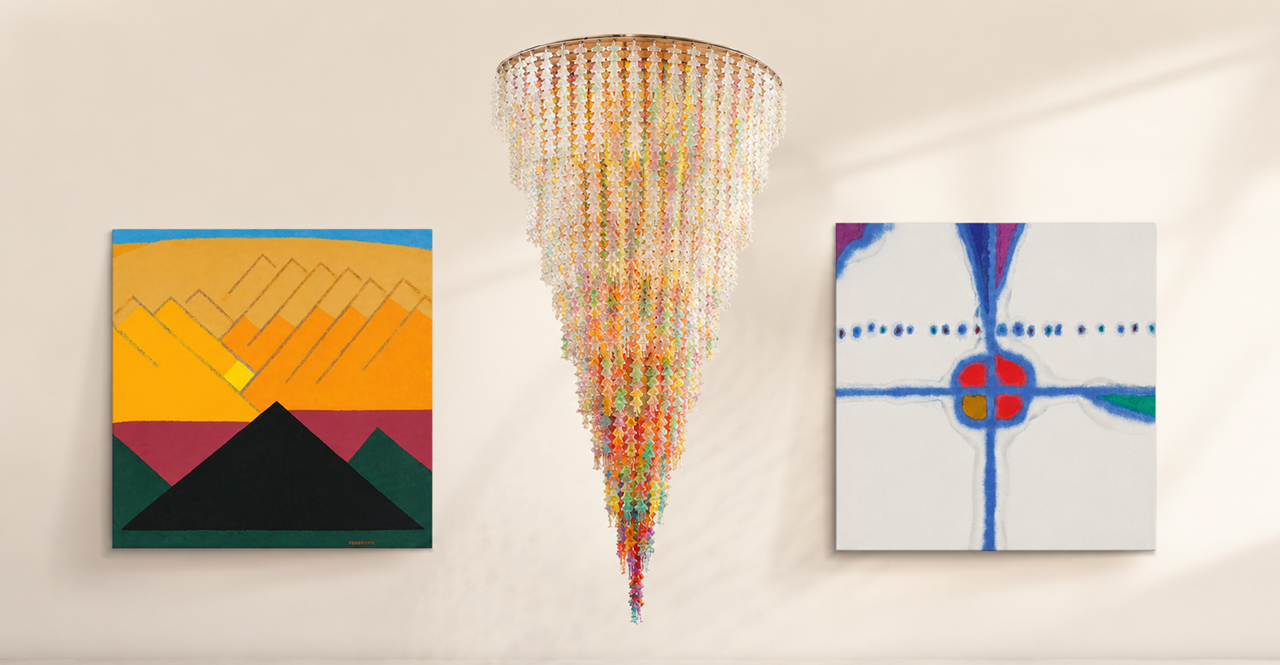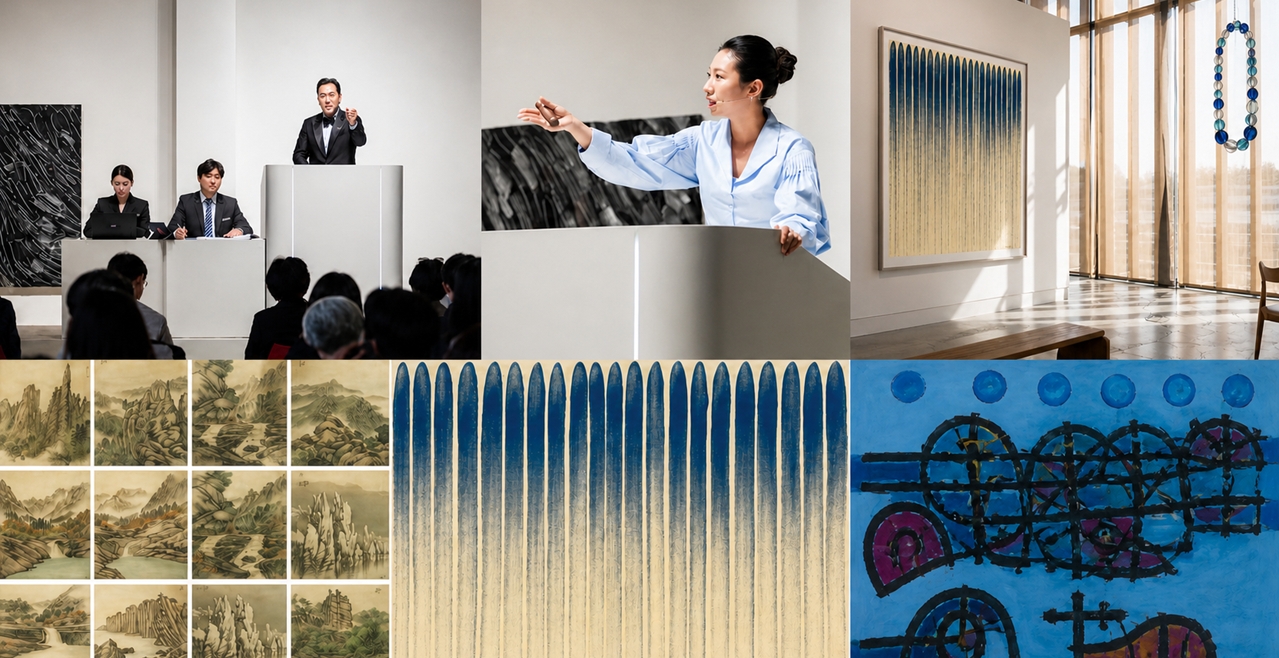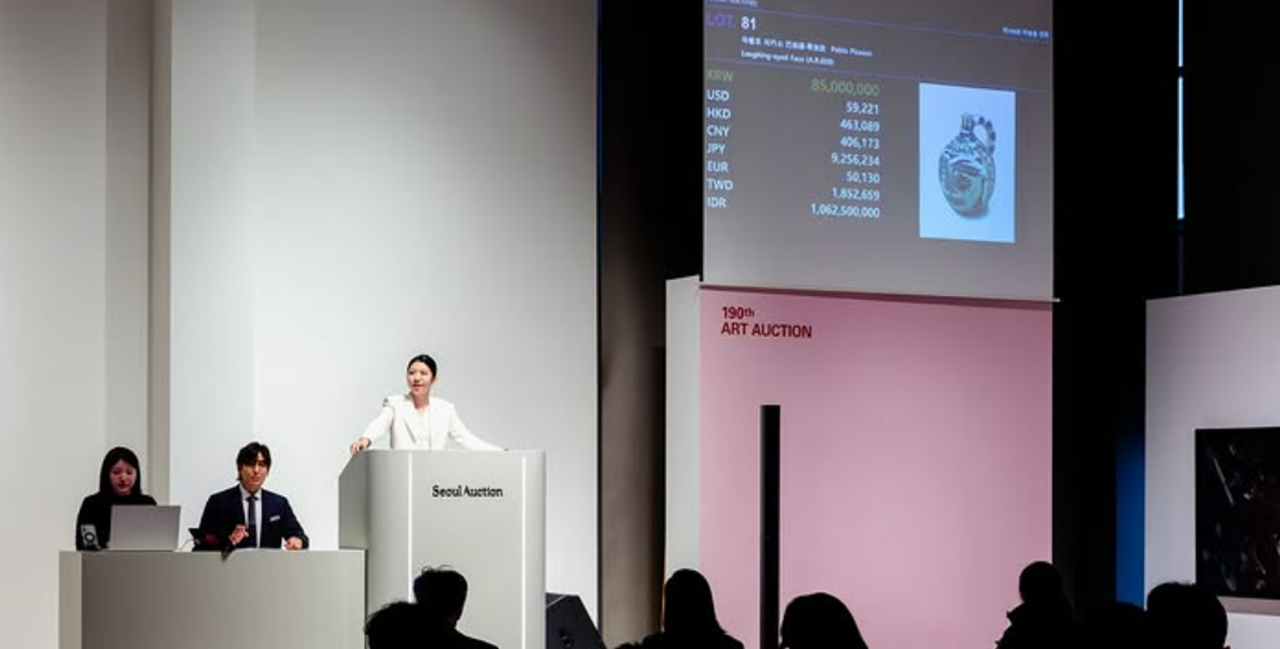

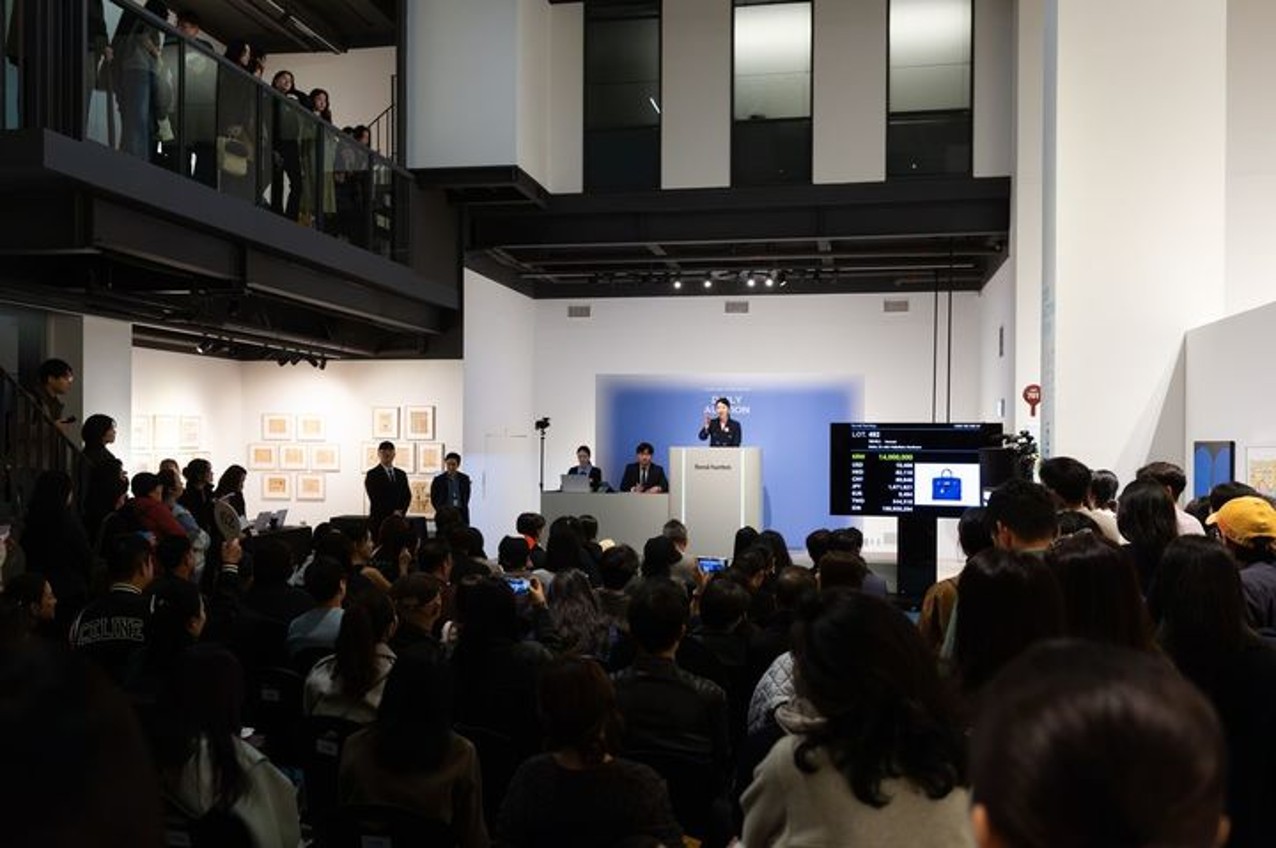
The National Tax Service special auction at Seoul Auction’s Gangnam Center on November 14 / Photo: Seoul Auction
Auctions of luxury goods, prints and crafts
at Seoul Auction’s 《2026 AUCTION SHOW》 recorded high sell-through rates. According to Seoul Auction, the
first five auctions, held from November 11 to 15, achieved a sell-through rate
of 92.5%. The National Tax Service special auction and 《Prints》 auction reportedly sold all 99 and
100 lots, respectively. The UNICEF charity auction on November 20 also recorded
approximately KRW 640 million (US$475,483) in sales.
Held at Seoul Auction’s Gangnam Center from
November 11 to 24, the event presents approximately 1,000 artworks and
collectibles through 12 auctions and eight exhibition and brand pop-up
programs.
This report examines the trading
characteristics of selected auctions held through November 20. High
sell-through rates must be interpreted in light of each auction’s price range,
terms of sale and the nature of its offerings.
Demand for Luxury Goods and
Collectibles
The National Tax Service special auction on
November 14 featured assets seized from delinquent taxpayers, including Hermès
and Chanel handbags, Rolex watches and gold bars.
According to Seoul Auction, all 99 lots
sold. An Hermès Birkin 30 rose from an opening bid of KRW 6 million (US$4,458)
to a hammer price of KRW 28.7 million (US$21,322), while a Chanel Première
ceramic watch rose from KRW 1 million (US$743) to KRW 8 million (US$5,944). A
Rolex Day-Date sold for KRW 66 million (US$49,034), against an opening bid of
KRW 35 million (US$26,003), and a lot of six gold bars sold for KRW 36 million
(US$26,746), against an opening bid of KRW 20 million (US$14,859).
According to Ratilda’s auction data as of
November 23, 33 of 34 lots (97.1%) sold at the 《Sutaekjibo
(手澤之寶)》 auction on November 19.
A silver ewer sold for KRW 6 million (US$4,458). The sale also featured
mother-of-pearl crafts and a first edition of George Orwell’s Nineteen
Eighty-Four.
According to Seoul Auction, 61 of 62 lots
(98.4%) sold at 《Modern Craft: Dialogue of Textures》. Expanding the range of collectibles to antiques, rare books and
crafts offers auction houses opportunities to reach buyers with interests
beyond conventional fine art sales.
Opening bids at auctions of seized assets
and estimates at conventional art auctions serve different purposes. A high
hammer price relative to the opening bid alone does not establish an increase
in market value or the auction house’s profitability.

Six gold bars offered as a single lot at the National Tax Service special auction. Opening bid: KRW 20 million (US$14,859); hammer price: KRW 36 million (US$26,746). / Photo: Seoul Auction
Prints
and Editions: Art Transactions at More Accessible Price Points
Art
transactions at relatively accessible price points centered on prints and
editions.
Seoul Auction
announced that all 100 lots in 《Prints》 on November 13 had sold. Ratilda
counted 91 sales, excluding nine lots listed with a zero price; the transaction
status of those nine lots remains unconfirmed. According to the same
third-party data, 《Works on Paper & Editions》 on November 17 sold 62 of 78 lots (79.5%).
According to
Ratilda, Lee Bae’s screenprint Brushstroke 4-29 sold for KRW
6 million (US$4,458). Chun Kyung-ja’s offset prints Solitude
and The Curtain Falls (titles translated from Korean) sold
for KRW 3.2 million (US$2,377) and KRW 2.6 million (US$1,932), respectively,
both exceeding their high estimate of KRW 2.5 million (US$1,857). Posthumous
prints by Kim Whanki sold for KRW 1–1.9 million (US$743–1,412).
Prints and
editions can offer an entry point into art collecting at relatively accessible
prices. These transactions, however, do not establish how many first-time
buyers entered the market.
Artist-made
or authorized prints, posthumous editions and reproductions require
differentiated assessment, taking into account production methods,
authorization, edition size, condition and provenance.
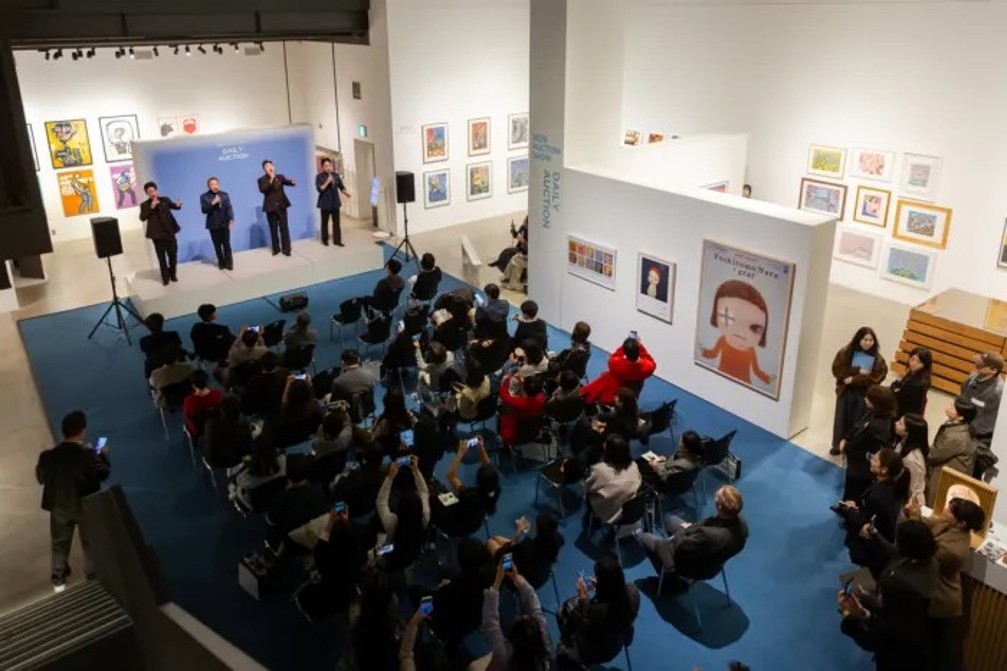
A scene from the 《2026 AUCTION SHOW》. / Photo: Seoul Auction
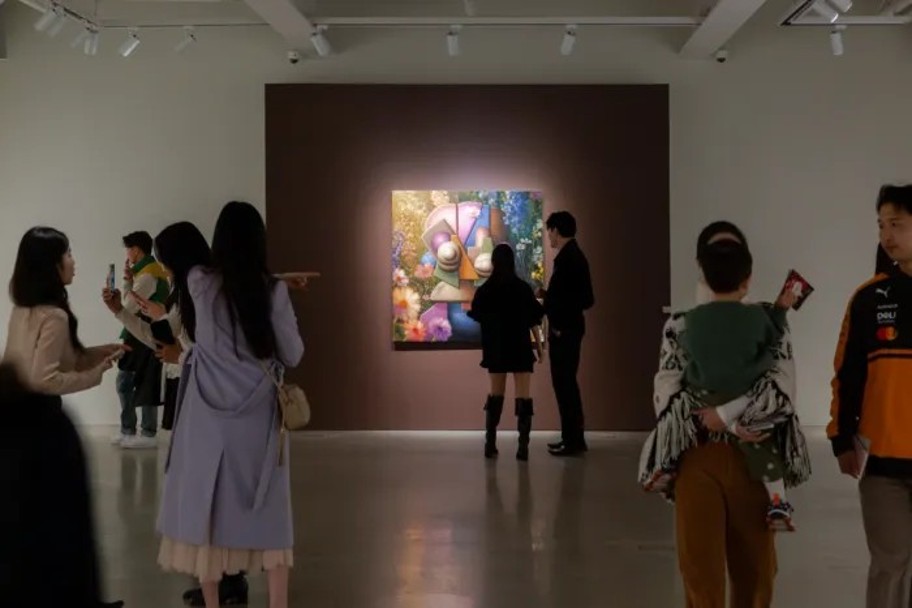
Visitors at an exhibition during the 《2026 AUCTION SHOW》. / Photo: Seoul Auction
Charity Auctions: High
Sell-through Rates and Distinct Pricing Dynamics
According to reports citing the Korean
Committee for UNICEF, all 40 lots sold at the charity auction marking UNICEF’s
80th anniversary on November 20, generating approximately KRW 640 million
(US$475,483) in sales. Nineteen Korean and international artists donated works,
and the offerings also included celebrity memorabilia and experiences.
Lee Bae’s Brushstroke 7ep
achieved the highest price of the auction at KRW 270 million (US$200,594).
Ratilda lists its estimate at KRW 55–150 million (US$40,862–111,441). Kim
Sunwoo’s A Journey of Hope sold for KRW 84 million
(US$62,407), while Chun Kwang Young’s Aggregation24-DE154
sold for KRW 50 million (US$37,147), according to Ratilda.
In charity auctions, willingness to support
a cause can influence bidding alongside ordinary market demand. This
distinction must be considered when comparing hammer prices with those achieved
at conventional auctions.
Total sales must be distinguished from the
amount ultimately donated. The results illustrate how auction houses can
connect artists, buyers and charitable organizations through philanthropic
programs.
Distinguishing Auction House
Expansion from Art Market Growth
Seoul Auction’s 《2026
AUCTION SHOW》 illustrates how an auction house can
build on its fine art business to expand into luxury goods, crafts and rare
collectibles. The interim results are commercially significant in demonstrating
purchasing demand across distinct categories.
The value of art is shaped by factors
including artistic achievement, art-historical standing, exhibition and
collection history, and critical reception. For luxury goods and collectibles,
brand, rarity, condition and resale demand tend to exert a more direct
influence.
Aggregating sales across categories with
different valuation frameworks and purchasing motivations is therefore not an
adequate measure of growth in the art market itself.
For auction house diversification to
contribute to growth in the Korean art market, it must be accompanied by an
influx of new art buyers, sustained collecting activity and greater diversity
among the artists and works traded.
The event’s substantive outcomes should be
assessed through category-specific sell-through rates, aggregate hammer prices,
prices relative to estimates, the proportion of new buyers and repeat
purchasing activity.
Ultimately, the question is whether these
new customer groups become art buyers and whether their transactions contribute
to the sustainable growth of the Korean art market.
References
서울옥션 / Seoul Auction
뉴시스 / Newsis (2026.11.17)
헤럴드경제 / Herald Business (2026.11.18)
더쎈뉴스 / The CEN News (2026.11.21)
라틸다
/ Ratilda (2026.11.23 기준 / as
of November 23)
※ Currency note: USD equivalents are
approximate, based on the KB Kookmin Bank base exchange rate of KRW 1,346.00
per US$1 (November 24, 2026, 92nd quotation), as published by the Korea
International Trade Association (KITA).