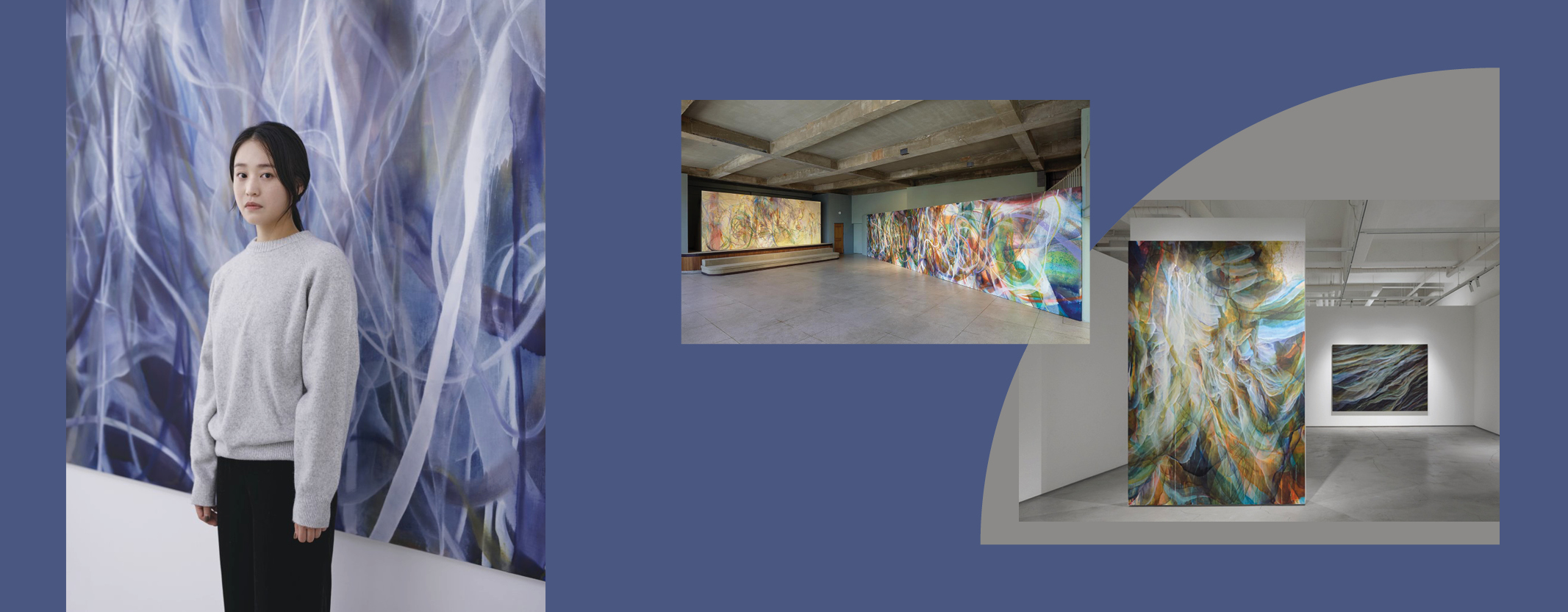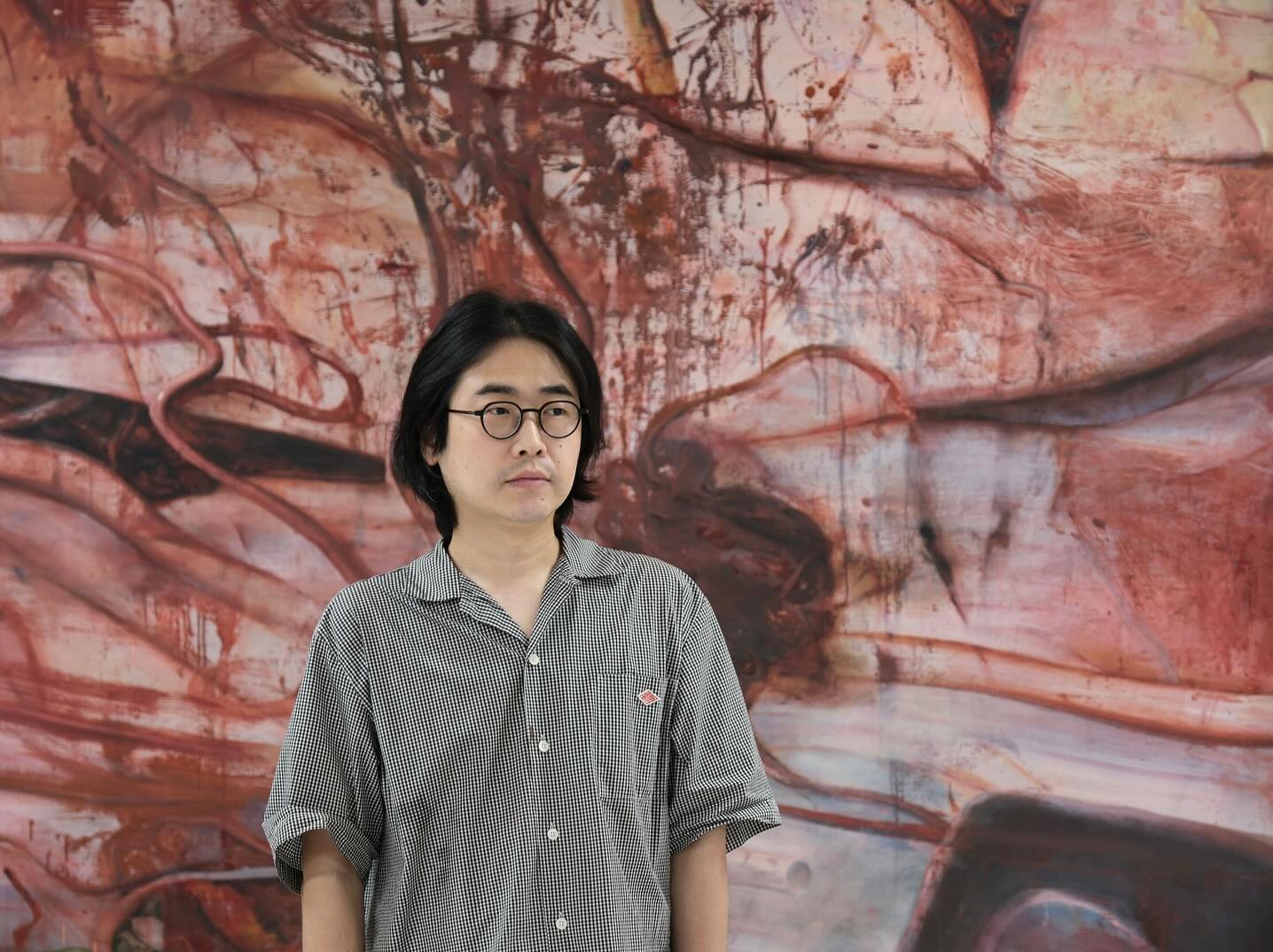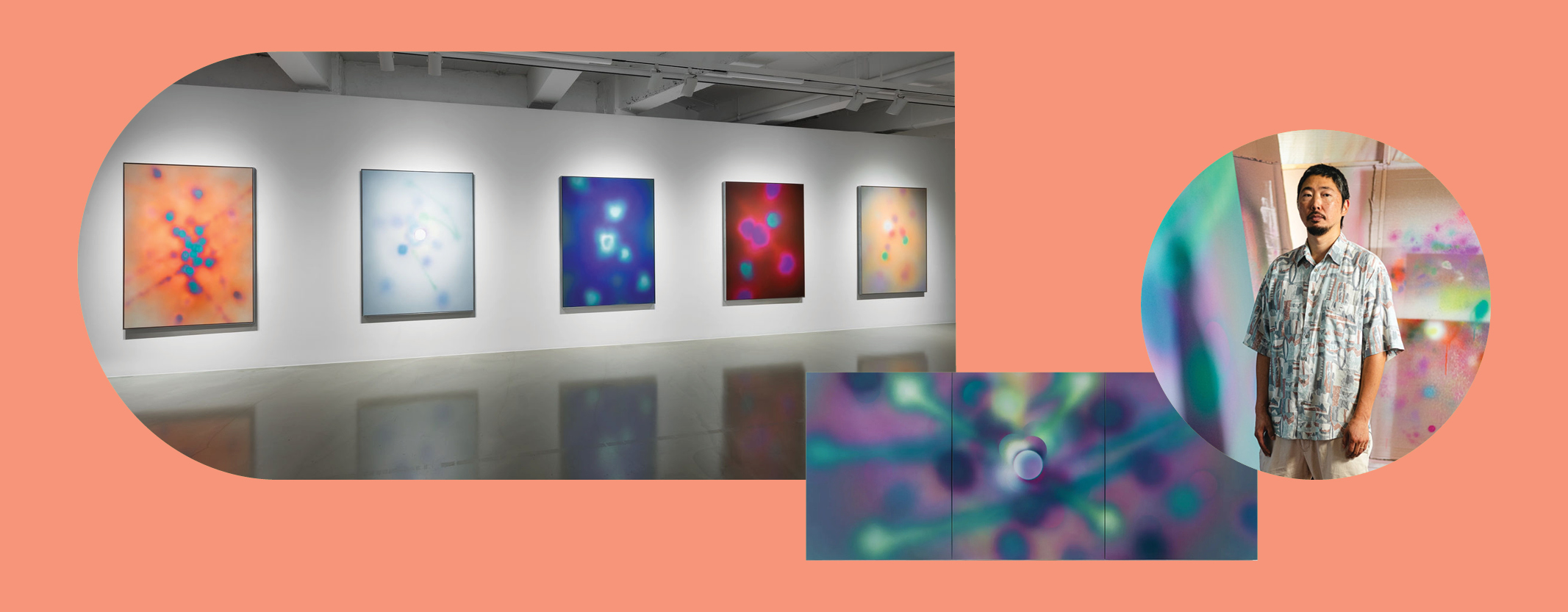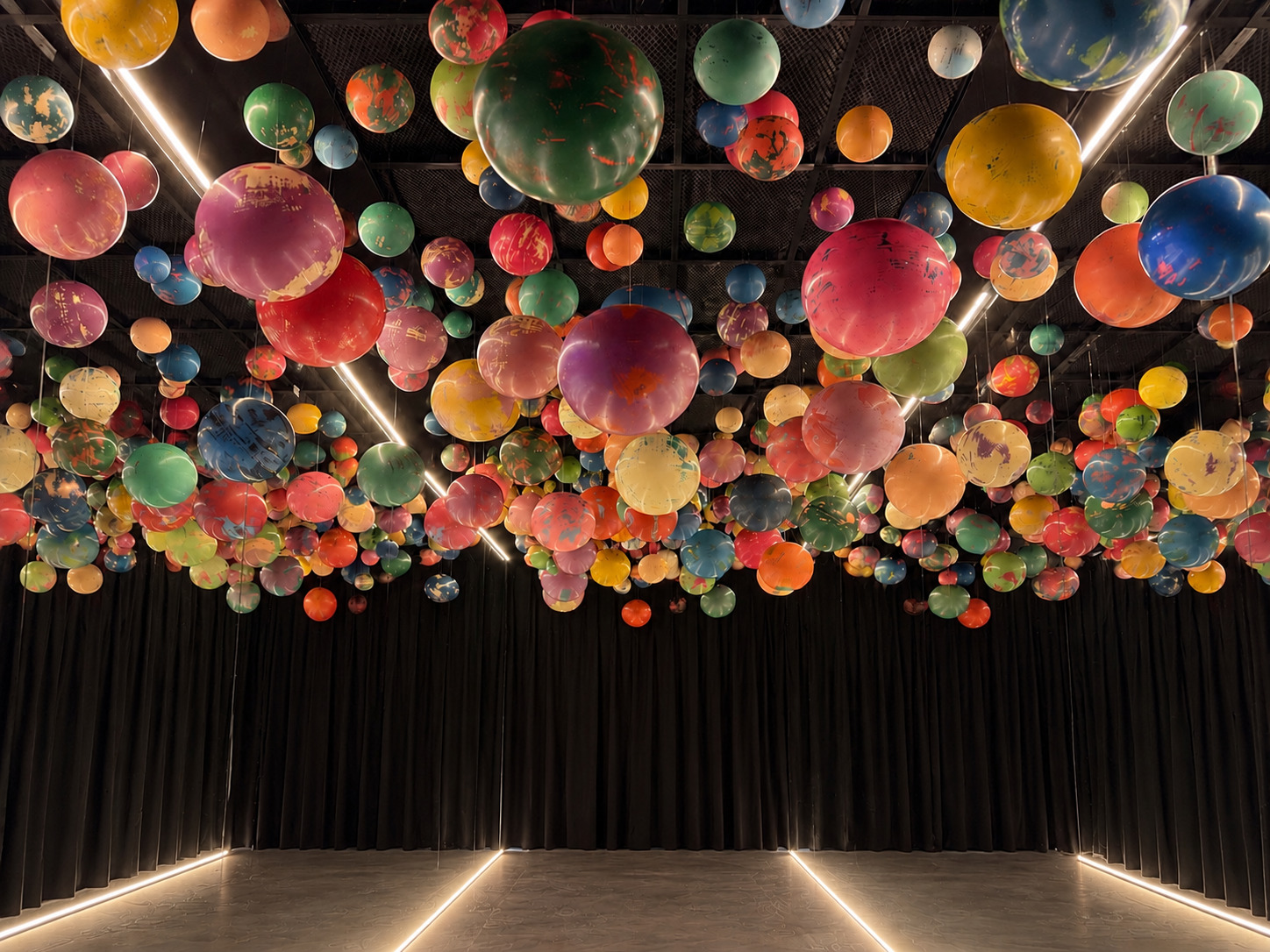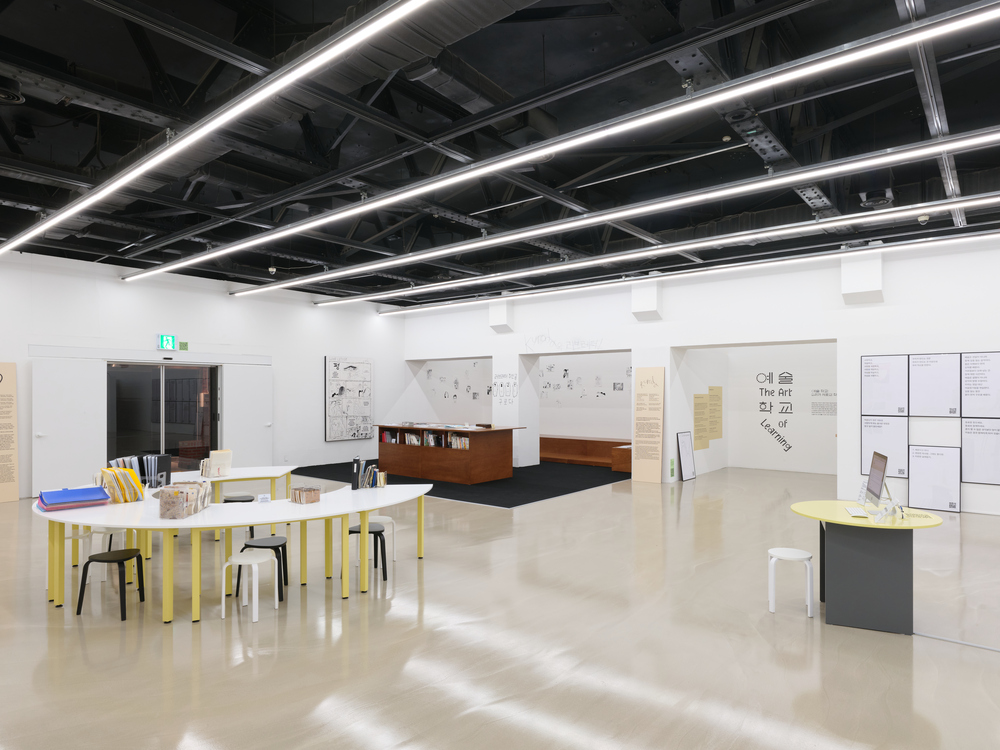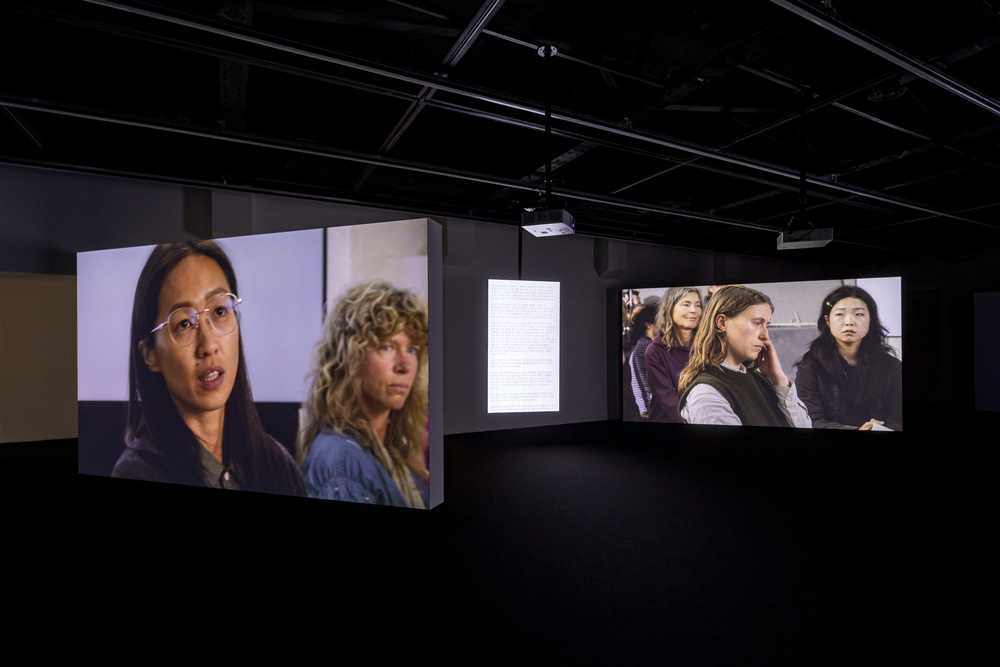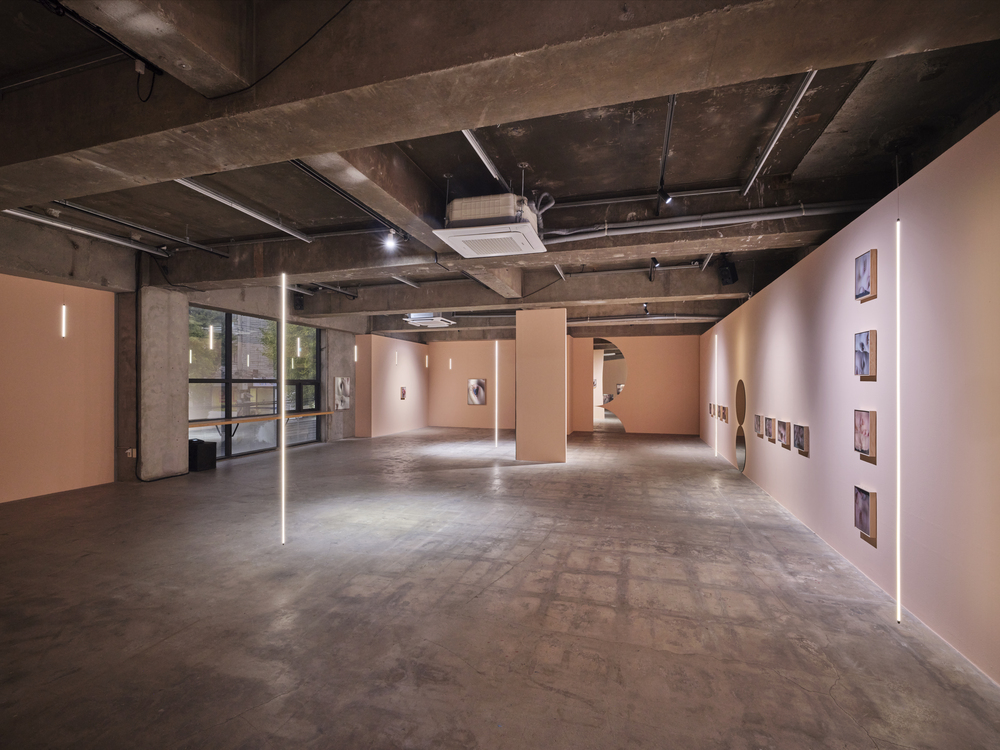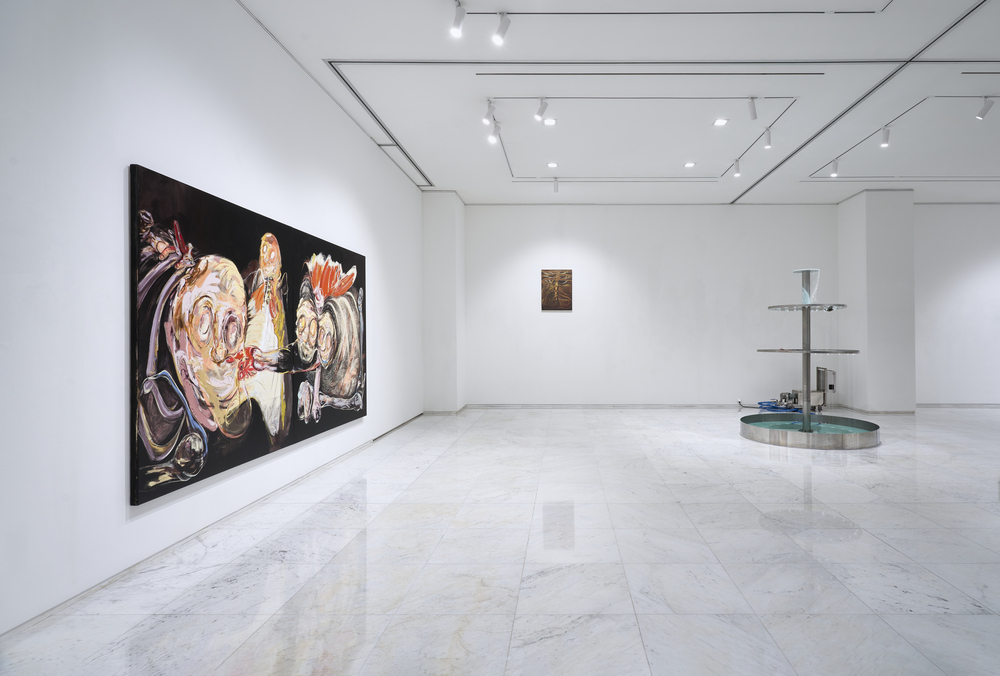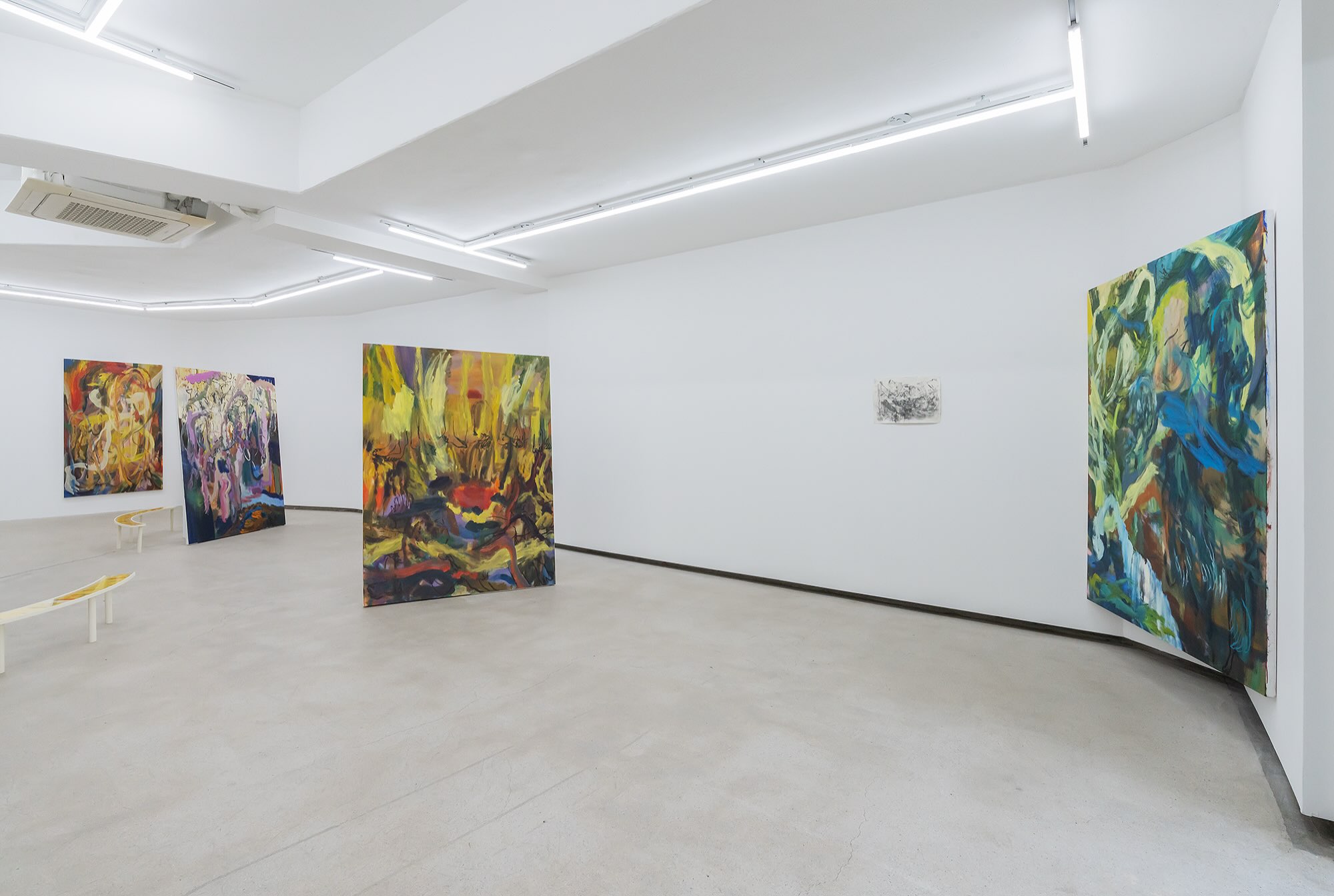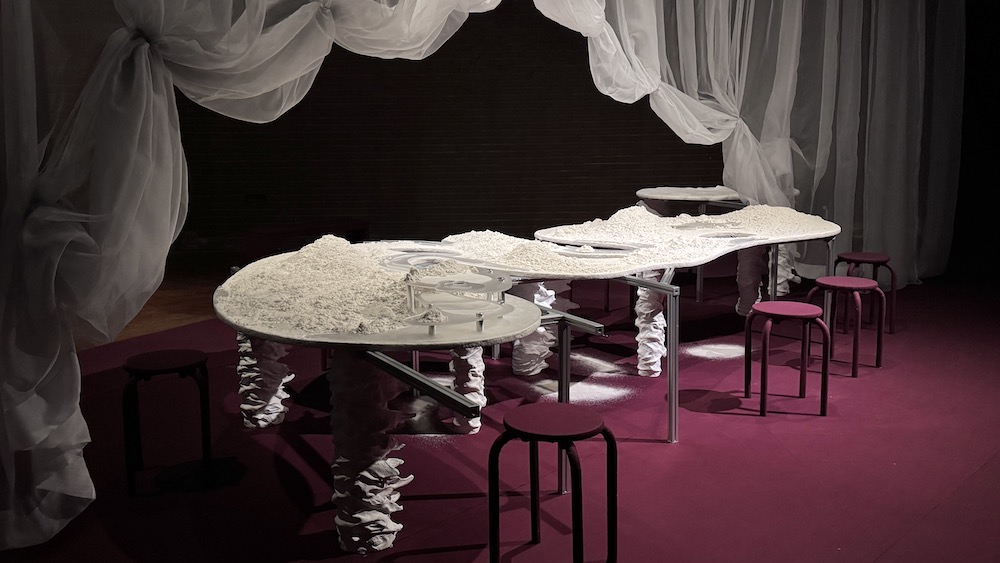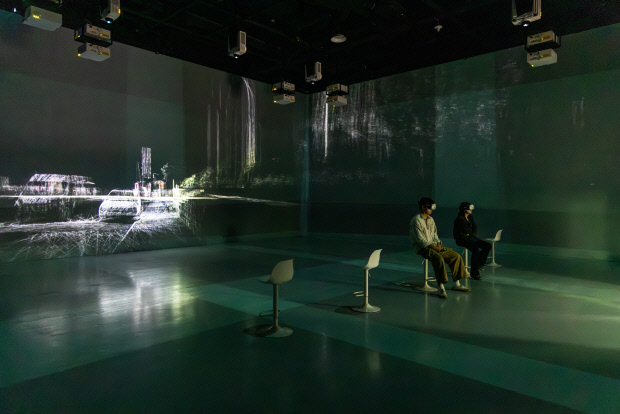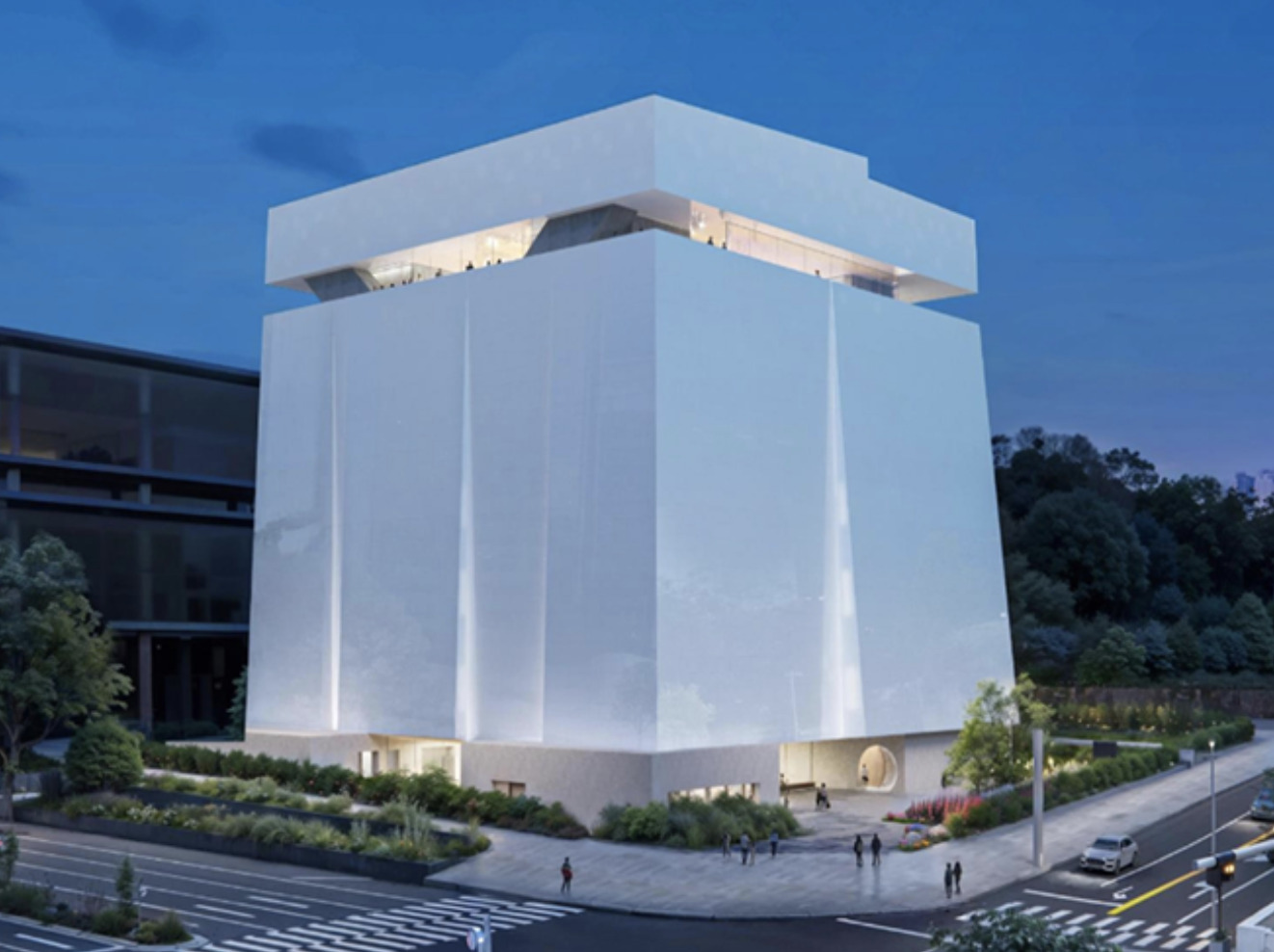

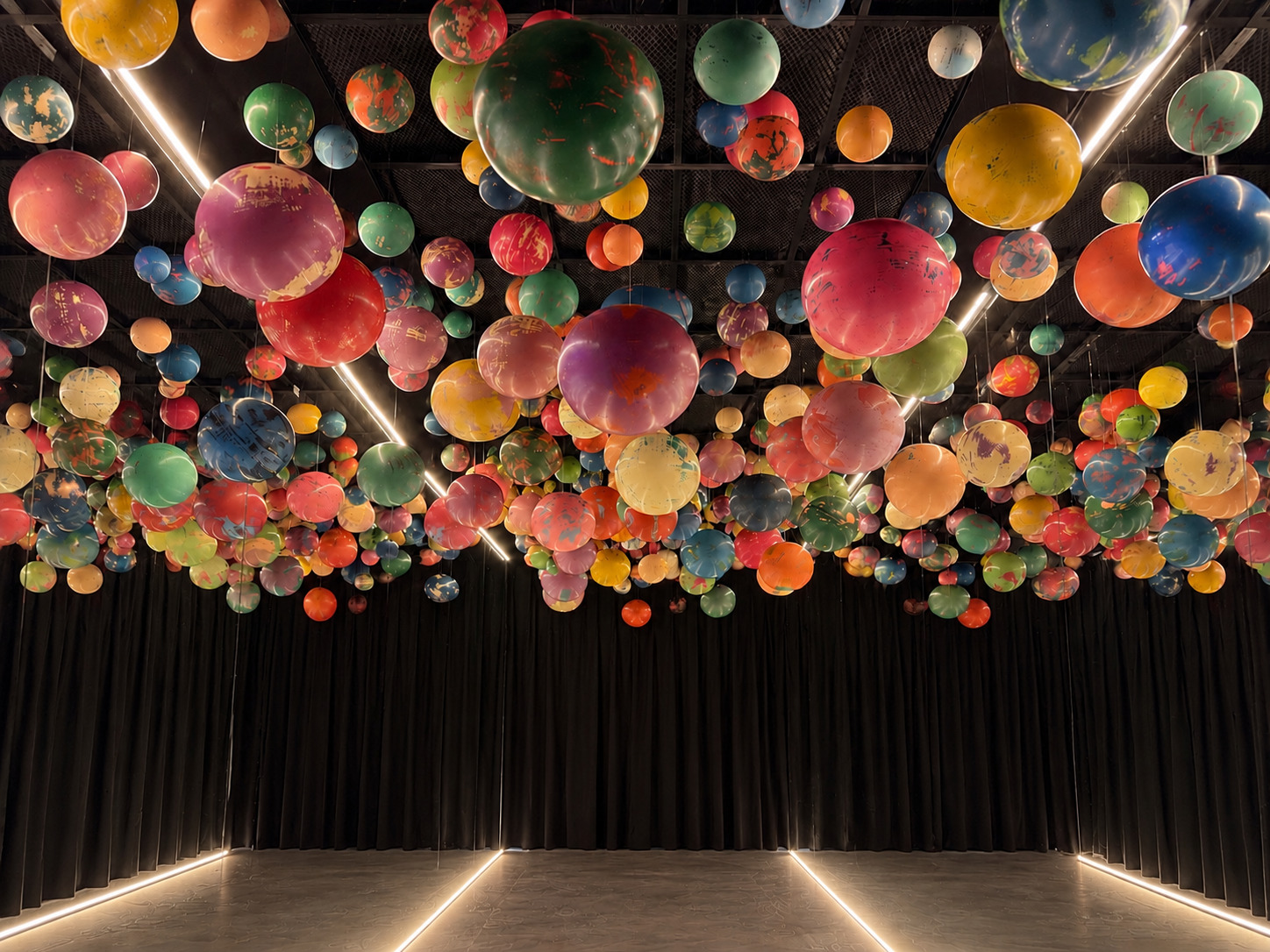
Kim Deokhan, OVERLAID: Compressed Series, 2026 © APAP
The 8th Anyang Public Art Project (APAP8)
runs through November 29 across Anyang Art Park, Anyang Pavilion, Arte Zai, and
Open School in Hagun Park, among other venues.
Launched in 2005, the Anyang Public Art
Project (APAP) is Korea’s only public art triennale. Over the past two decades,
it has expanded the presence of art into the everyday spaces of the city,
establishing itself as a signature public art initiative in Anyang.
Under the theme “Arte X: Art
Transformation_Anyang Paradise,” this year’s edition brings together 41 artists
and teams from four countries to present new forms of public art that bring
art, nature, and cutting-edge technology into dialogue.
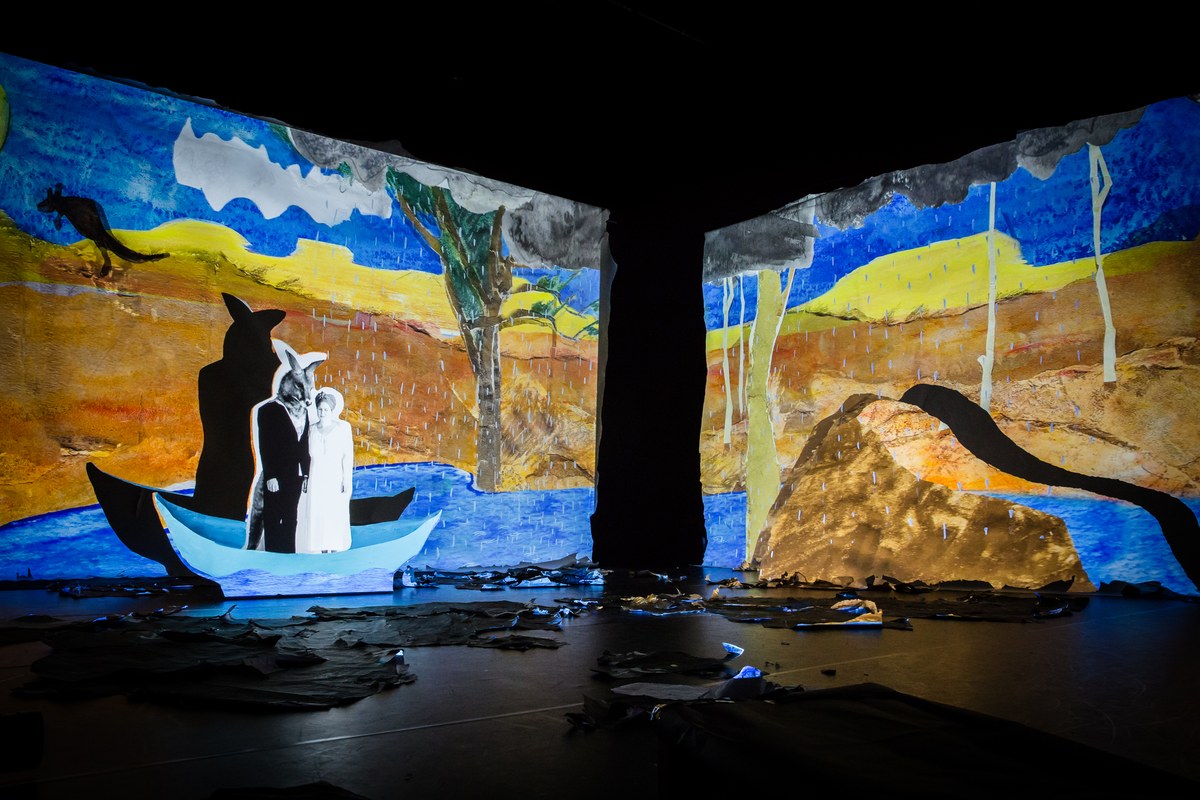
Notably, APAP8 moves beyond the sculpture- and
installation-centered approach that has characterized the project over the past
two decades, expanding the scope of public art through the incorporation of
diverse genres and advanced technologies, including artificial intelligence
(AI), media façades, laser shows, and painting.
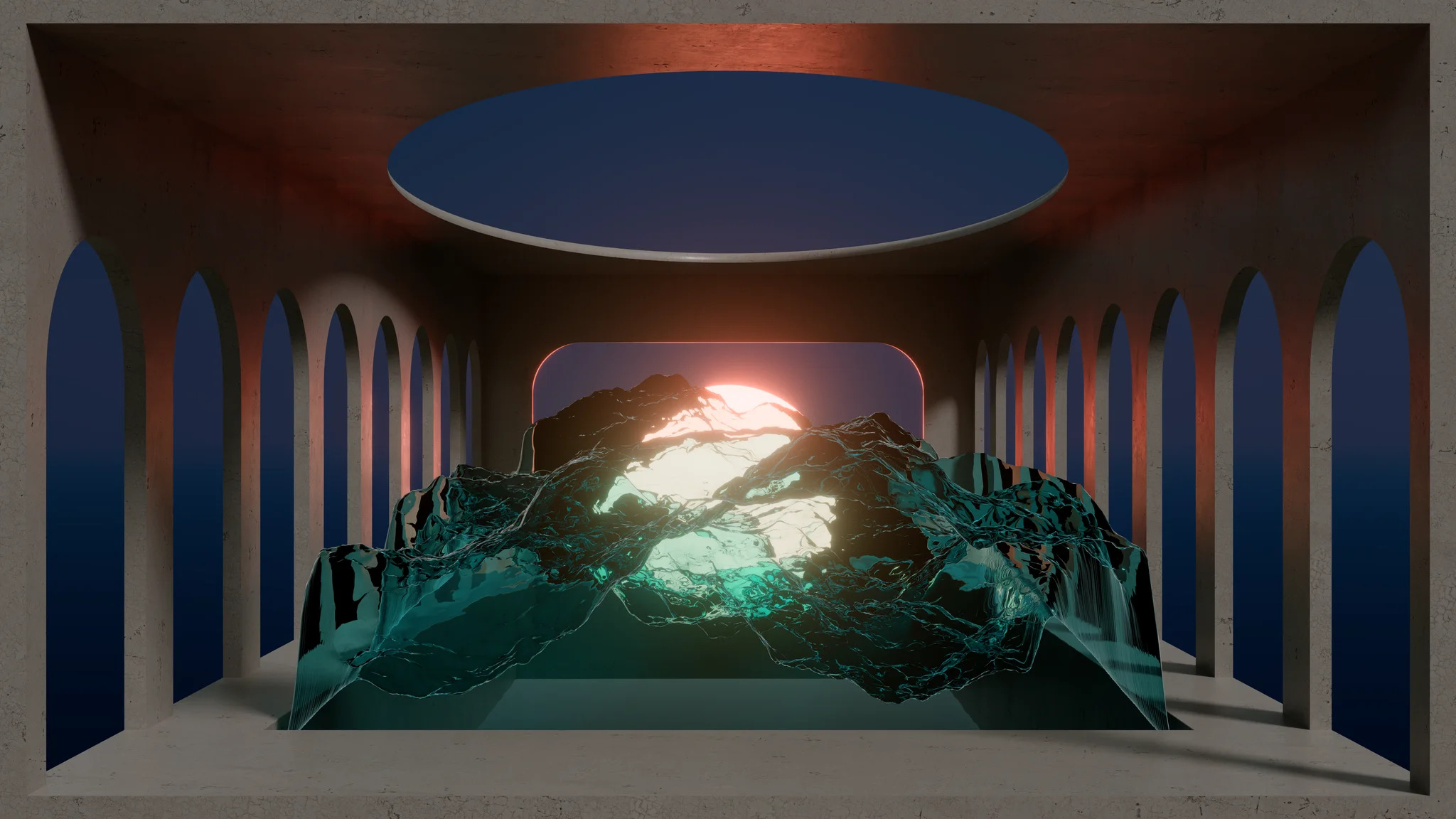
Jaehun Park, Topology of Paradise, 2026 © APAP
The project also introduces the concept of
a festival (Festa) to make contemporary art more accessible to a wider
audience. Visitors can enjoy outdoor sculptures set against natural
surroundings during the day and experience media art combining light and
cutting-edge technology at night.
In doing so, the project aims to enable
citizens to encounter art in their everyday lives, beyond the constraints of
time and space.
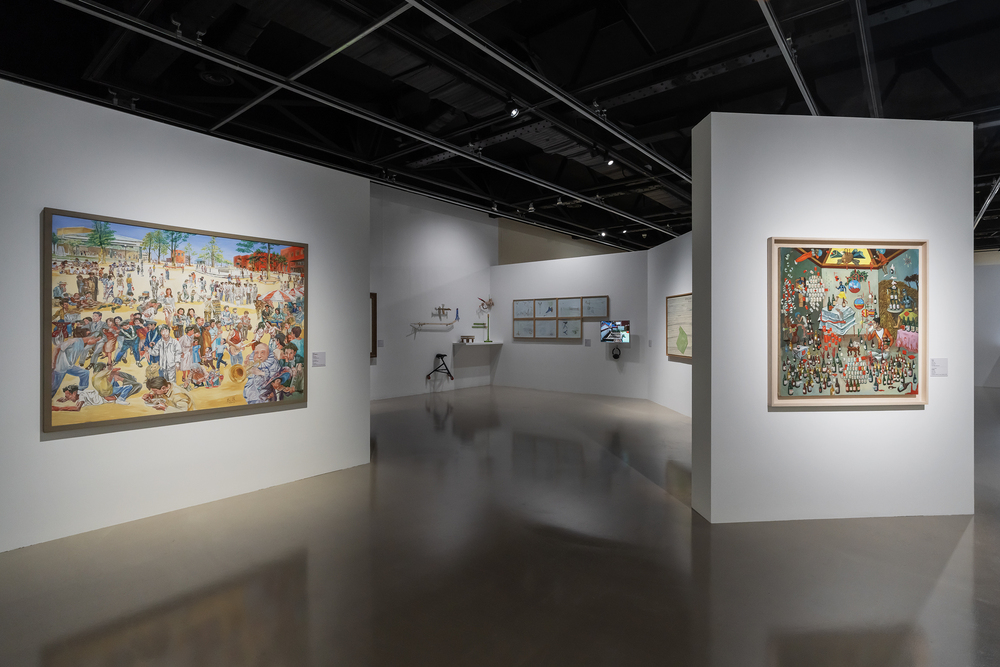
The main exhibitions include 《i Pavilion》 at Anyang Pavilion, 《Open Ground》, an outdoor sculpture
exhibition across Anyang Art Park, and the special exhibition 《Dreaming Our Paradise》 at Arte Zai and Open
School.
《i Pavilion》
explores new relationships between art and technology through media art and
sculpture and installation works centered on artificial intelligence (AI). 《Open Ground》 presents public artworks
integrated into the natural and urban landscapes.
The special exhibition 《Dreaming Our Paradise》 transforms everyday
spaces into venues for art. In particular, by using the commercial facilities
at Arte Zai as exhibition spaces, it offers citizens opportunities to encounter
art closer to home while exploring the cultural potential of commercial spaces
and the possibilities of art-led urban regeneration.
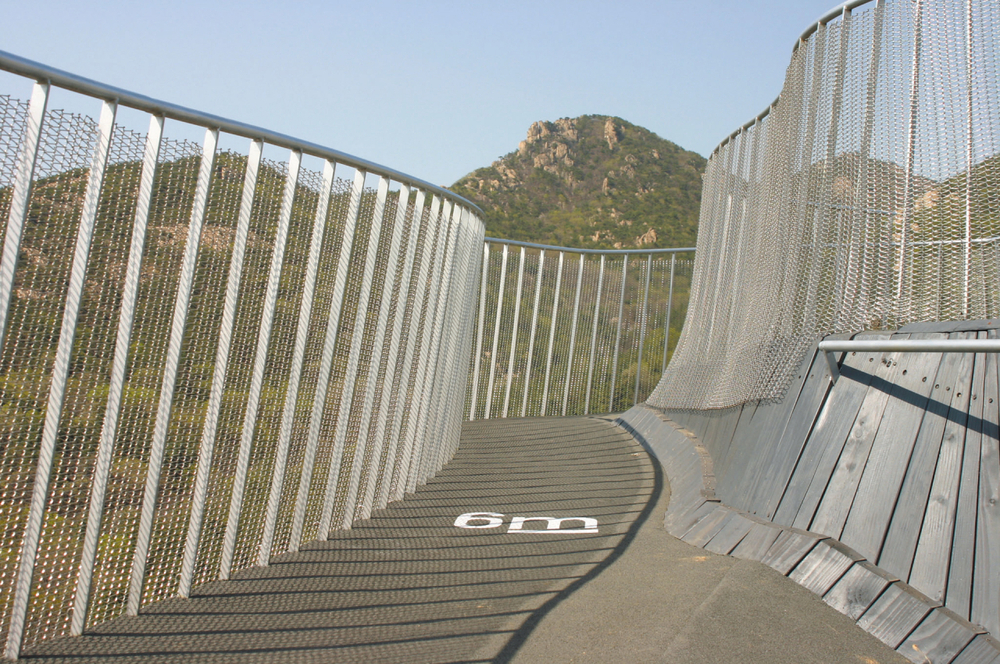
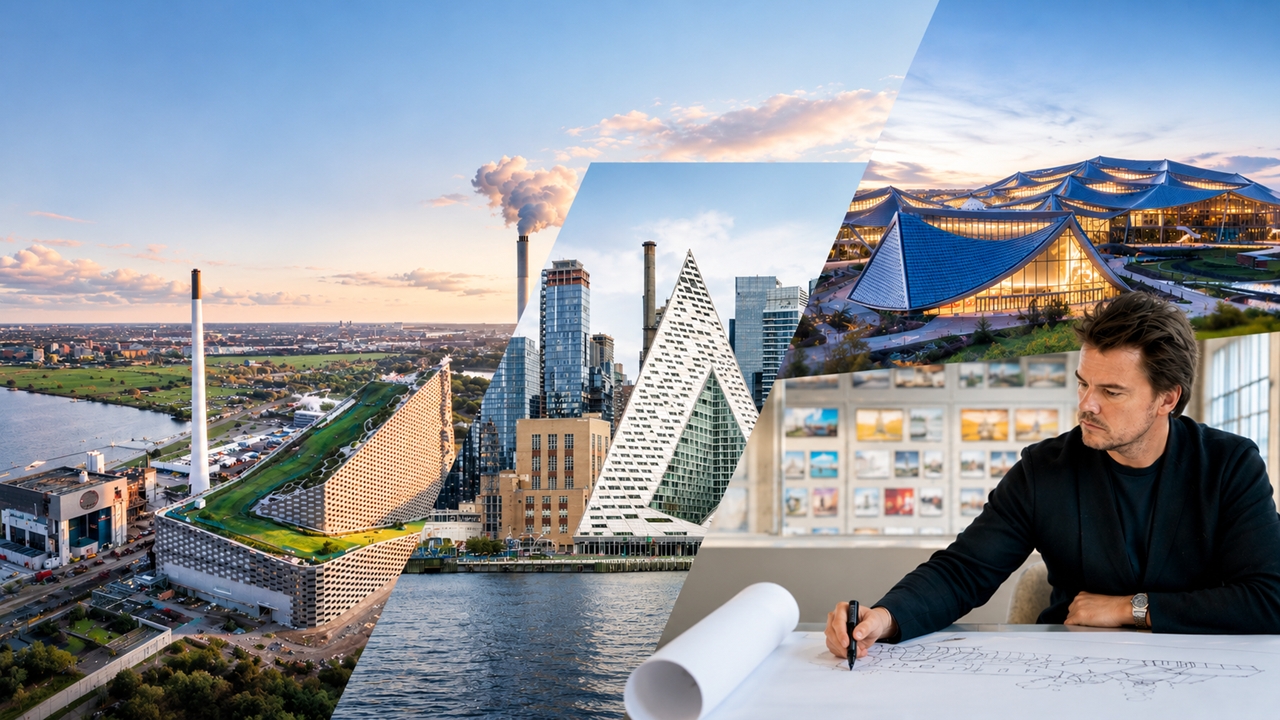
MVRDV, Anyang Peak (2006), presented at APAP1 © APAP
Meanwhile, APAP has continued discussions
on how to preserve and manage the public artworks accumulated over the past two
decades. Ongoing maintenance and conservation are particularly important for
outdoor works, which are directly exposed to seasonal changes and surrounding
environmental conditions.
In 2024, the Anyang Foundation for Culture
& Arts convened an advisory meeting with members of the art community and
local stakeholders to review the management of artworks in Anyang Art Park and
the Pyeongchon area and discuss future maintenance plans.
The preservation of works damaged by heavy
snowfall that same year was also among the key topics. These discussions
highlight that managing public artworks involves more than routine facility
maintenance; it also requires consideration of their artistic value and
long-term sustainability.
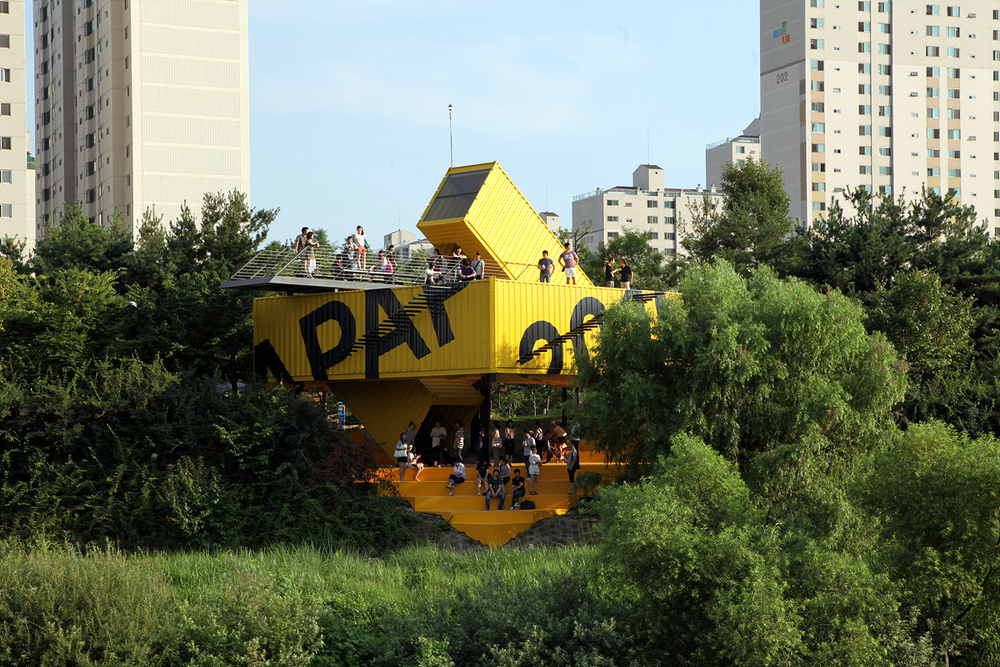
LOT-EK, Open School (2010), presented at APAP3 © APAP
These discussions have led to concrete
restoration and maintenance efforts. In August this year, Anyang City announced
that it had removed 17 existing public artworks and planned to complete the
maintenance of 13 works designated for repair and the relocation of two others
by October.
According to the city’s subsequent report,
APAP Artwork Maintenance and Restoration Status, 12 works, including Anyang
Peak and Open School, were listed as having
completed repairs. The two works designated for relocation were also included
in the report, although their actual relocation status was not specified.
For more information about APAP8, visit the
official APAP website (https://2026.apap.or.kr:446/ko/) or its official social
media channels.