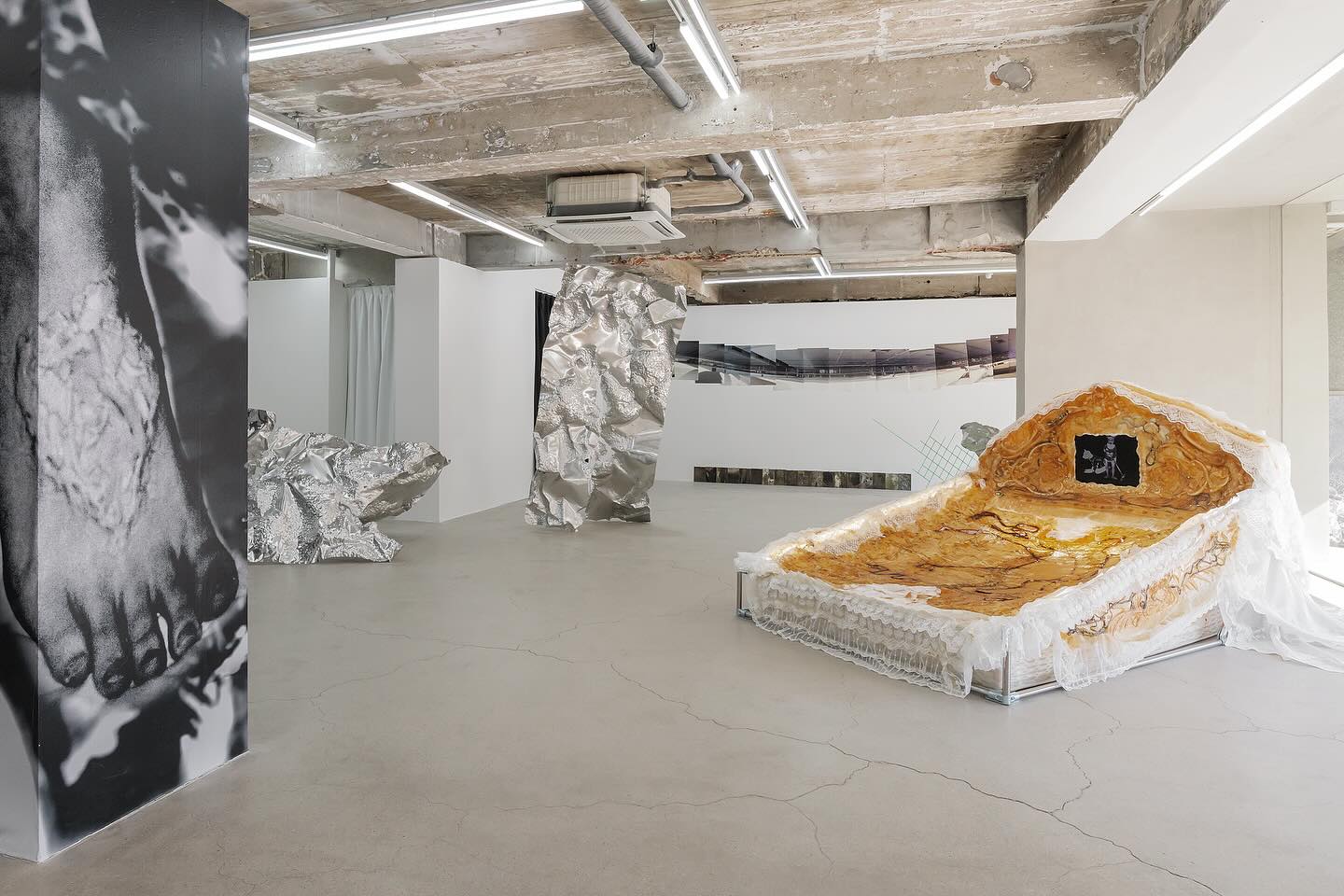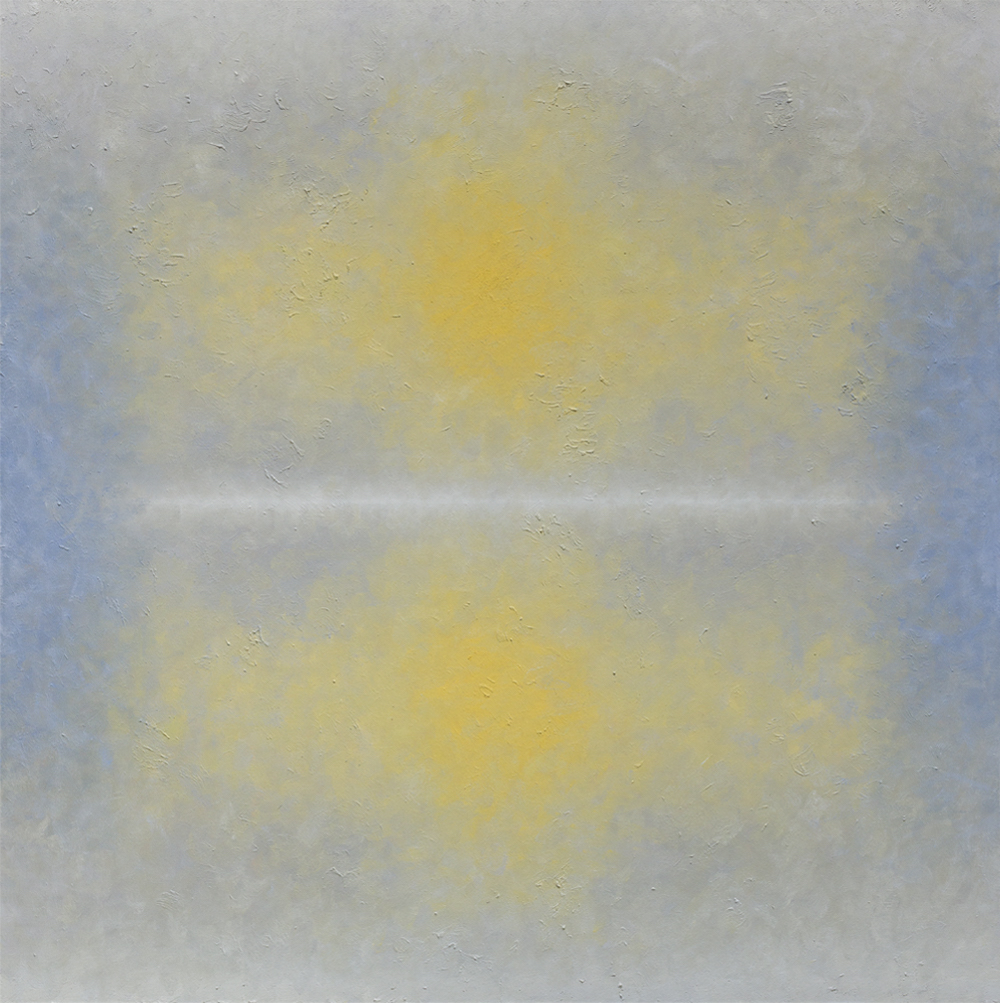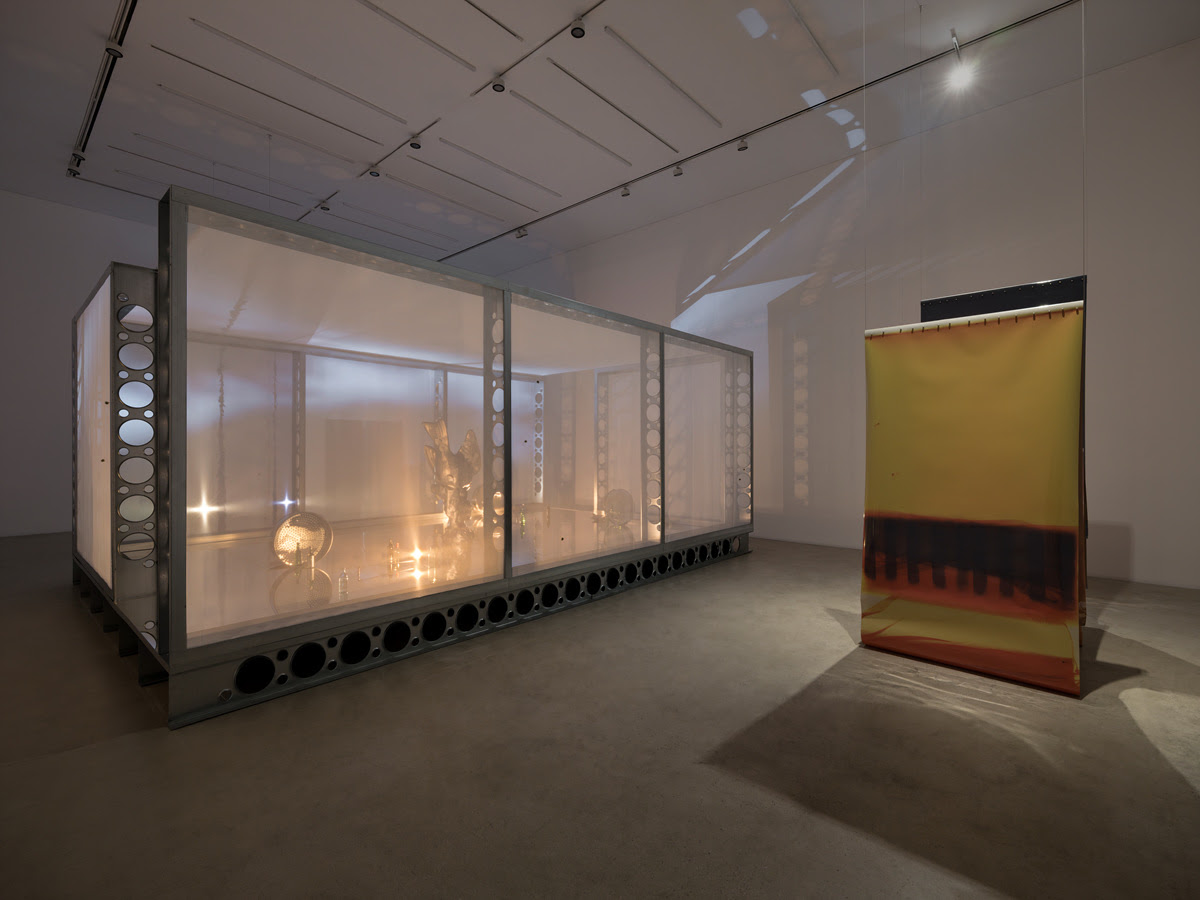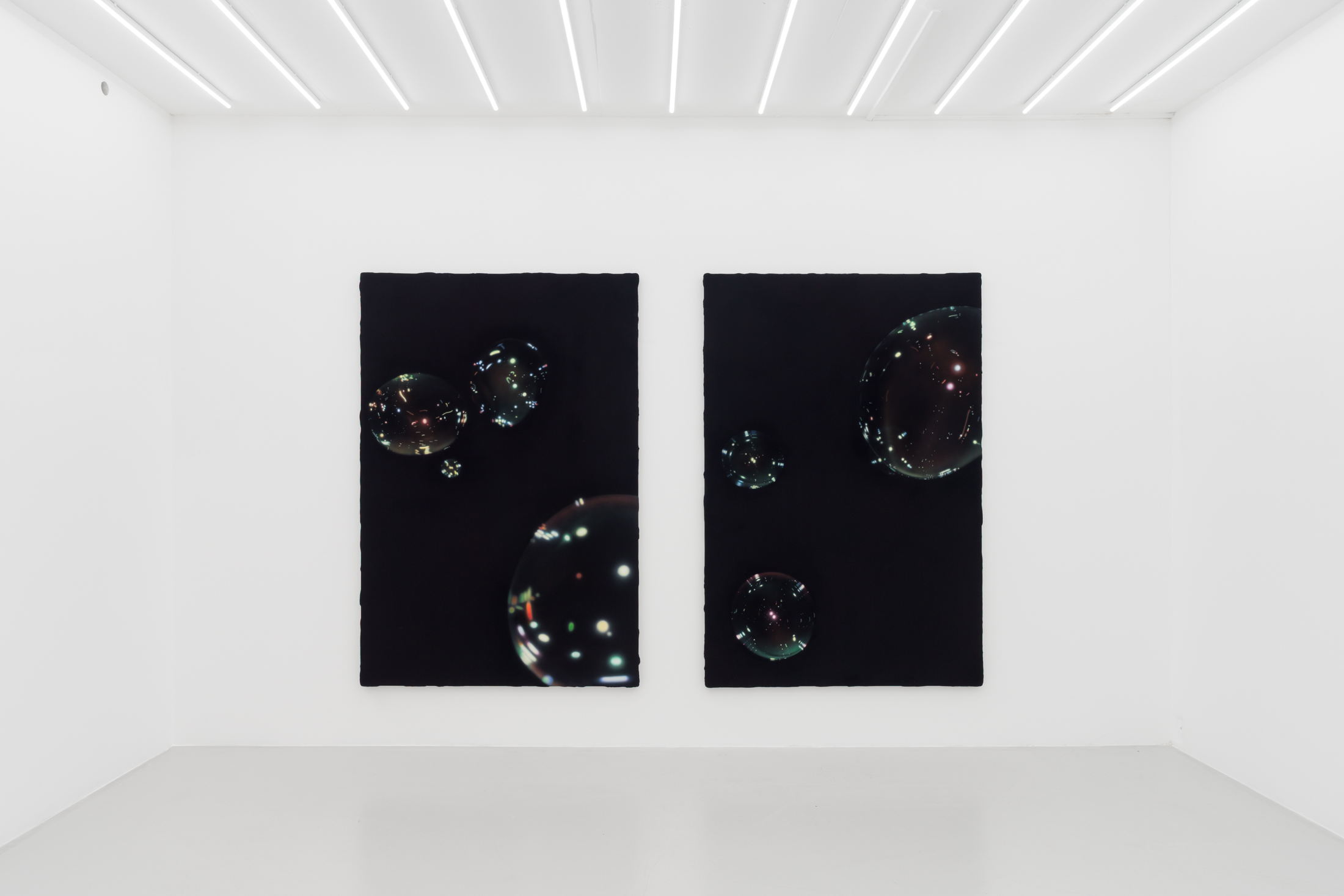


Installation view of 《Phototaxis – Shadows Beyond the Sun》 © Meyer Riegger Wolff
Meyer Riegger
Wolff presents its first solo exhibition by a Korean artist since its opening: 《Phototaxis –
Shadows Beyond the Sun》 by Jioong Kang (b. 1997, Incheon), on view
through May 29.
The
exhibition focuses on the conditions under which photographic images are formed
and transformed, prompting a renewed awareness of conventional perceptions of
the medium.
Jioong Kang’s
work unfolds through a poetic yet experimental engagement with the photographic
image. While grounded in photography, his practice gradually displaces the
medium’s limits, allowing the work to shift toward a more unstable condition: a
surface, an object, at times even a fragile sculptural presence.

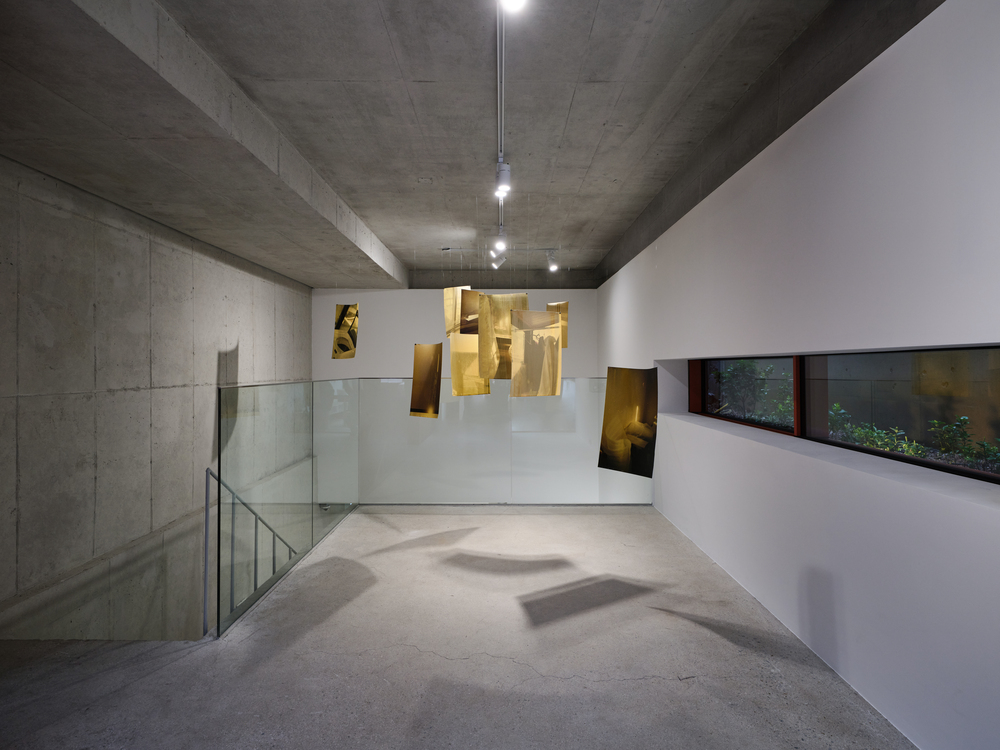
Installation view of 《Phototaxis – Shadows Beyond the Sun》 © Meyer Riegger Wolff
Rather than
treating the photograph as a fixed representation, Jioong approaches it as a
material surface, one open to transformation. Images are transferred onto
linen, leather fragments, or salvaged wood and subjected to processes of
submersion, exposure, folding, and abrasion. Through these encounters with
water, light, and time, the picture slowly departs from its original form.
Marks, residues, and irregular textures settle across its surface, generating
new traces.
Across these
works, Jioong Kang enters into a different relation with time. Light no longer
simply produces the image at a single moment of exposure; materials remain
sensitive to it, absorbing, redirecting, and slowly transforming what falls
upon them.
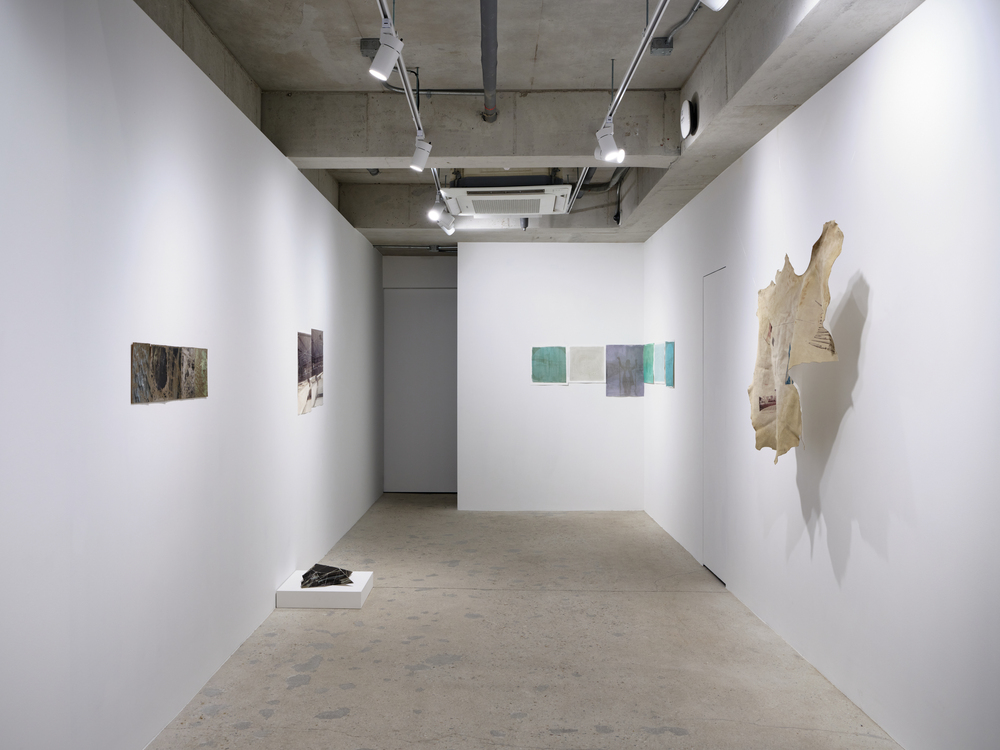
Installation view of 《Phototaxis – Shadows Beyond the Sun》 © Meyer Riegger Wolff
Borrowing a
term from biology, this condition might be described as a form of phototaxis: a
responsiveness to light that continues to shape the image long after the moment
of capture, as matter registers the subtle and ongoing effects of its
environment.
Within these
shifting conditions, shadows appear where they are least expected—across
altered materials, reversed planes, and weathered textures, as if drifting
beyond their source. What remains are images that no longer fully belong to
their origin, but persist as quiet traces between presence and disappearance.